Most people walk into a church hoping for connection, meaning, and support.

While many communities offer just that, not every church is what it seems on the surface. Sometimes the issues aren’t immediately obvious—they’re hidden in the culture, the language, and the way people treat one another.
These red flags don’t always show up as abuse or scandal, either. They often arrive in much smaller forms: quiet pressure, unspoken rules, or emotional manipulation wrapped up in kindness. With that in mind, here are some subtle red flags to look out for if you’re part of a church, or thinking of joining one.
There’s an unspoken pressure to present as perfect.

If everyone always seems cheerful, polished, and spiritually “on fire,” it might not be authenticity—it might be performance. A church that only allows happy, healed versions of people can quietly shame anyone who’s struggling. You’ll notice it in how people speak during group conversations. Struggles are shared in past tense only. There’s little room for doubt or vulnerability in real time. That pressure to perform can leave people isolated, even in a crowd.
Doubt or questions are brushed off as weakness.

In a healthy church, questions are welcomed and wrestled with. However, if your curiosity is met with discomfort, quick answers, or the sense that you’re being spiritually immature, that’s a red flag. As time goes on, this creates an atmosphere where only certainty is valued. People stop asking things out loud—not because they don’t have questions, but because they don’t feel safe admitting them.
Leaders are placed on pedestals.
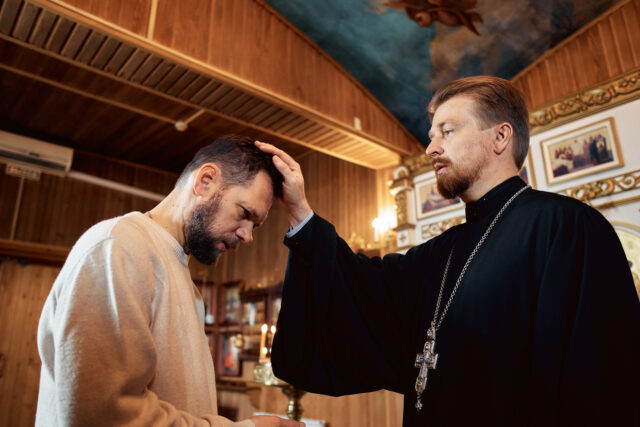
If your church talks about its leaders as if they’re above criticism, always right, or somehow chosen on a higher level, that’s a sign of unhealthy power dynamics. Respect is one thing; reverence is another. When no one feels able to question leadership decisions, the risk of abuse or manipulation rises. True leadership invites accountability. If there’s none of that, it’s worth asking why.
Everyone sounds the same.

When every testimony, every conversation, and every prayer starts to sound like a script, something’s off. It usually means people have learned the “right” way to speak in order to be accepted. In these environments, individuality slowly disappears. You might feel like you’re losing your own voice just to fit in. That pressure to conform can be subtle, but it can eat away at authenticity over time.
There’s quiet judgement around mental health.
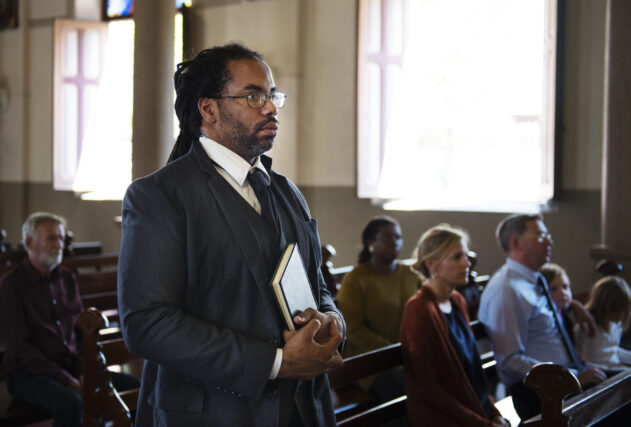
If struggles like anxiety, depression, or trauma are consistently spiritualised, or treated like signs of weak faith, it sends a dangerous message. It tells people that they’re not allowed to be human without also being seen as broken.
This kind of culture doesn’t always come from cruelty. It often comes from people who genuinely want to help. However, if your pain is constantly being prayed away instead of being understood, the church might be more focused on fixing you than knowing you.
Your boundaries are labelled as rebellion.
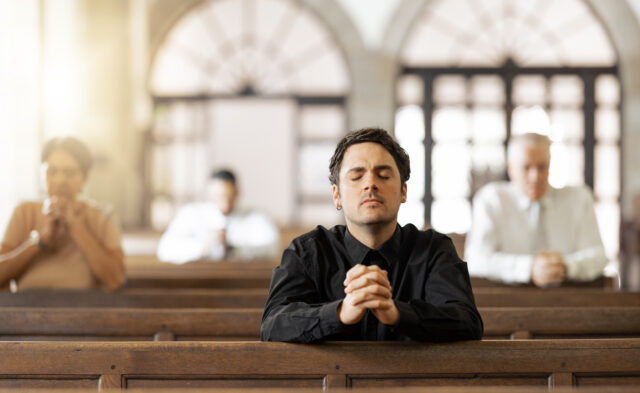
If saying no, setting limits, or taking space is met with concern or correction, pay attention. A church should honour personal agency, not quietly shame it. Sometimes this shows up as being told you’re resisting “God’s plan” or being spiritually stubborn. But often, it’s just you listening to your gut. A healthy environment won’t punish you for that.
There’s a quiet culture of comparison.

It might not be openly competitive, but there’s often a subtle ladder of who’s more “godly.” Maybe it’s the young couple leading worship or the family with the perfect kids. Either way, you start to feel like you’re falling short. This creates a climate where people feel like they need to constantly measure up. Instead of grace, it’s performance, and instead of belonging, you get quiet pressure to keep earning your place.
You’re expected to get involved immediately.
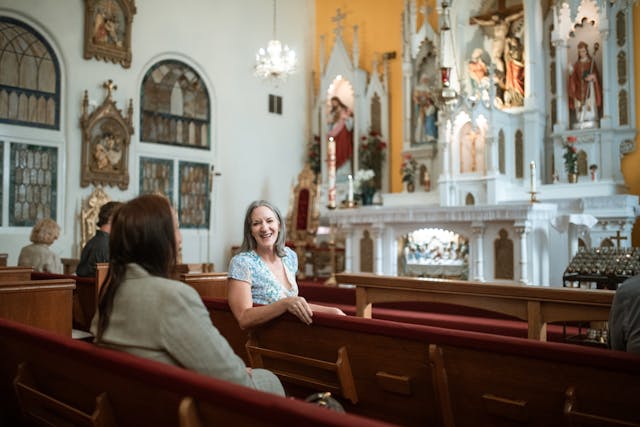
Joining a church doesn’t mean you should instantly be signing up for every rota or joining multiple ministries. If there’s pressure to serve before you’ve even settled, it might be more about productivity than people. Some churches overwork their members without realising it. They confuse participation with faithfulness. But being part of a church should feel like home, not a job interview. If you can’t just be for a while, that’s worth noticing.
People avoid real-world topics.

When issues like racism, sexism, or inequality come up, and they’re either dismissed or over-spiritualised, it tells you a lot about where the church stands. Silence isn’t neutral; it’s a statement. If everything difficult is met with “just pray” or “God is in control,” it can start to feel like the real world isn’t welcome inside those walls. A church that avoids pain, injustice, or current struggles usually ends up protecting comfort, not people.
Leaving is treated like betrayal.
People should be allowed to leave a church without it becoming a big deal. But if anyone who steps away is talked about as “lost” or “backsliding,” that’s a serious red flag. This mindset creates a kind of emotional dependency, where people stay not because they want to—but because they’re scared of being judged if they don’t. That’s not community. That’s control.
Everything revolves around the building.

When the bulk of the church’s energy is spent on events, aesthetics, and Sunday performances, it’s easy to lose sight of what really matters. A church isn’t its Instagram feed or its sound system—it’s its people. If you’re spending more time being impressed than being known, the focus might be off. A thriving church can still be beautiful, but if there’s no heart behind it, it starts to feel like a show.
Vulnerability feels performative.

People might share “struggles,” but they’re often curated—already resolved, neatly packaged, and tied up with a lesson. Real-time vulnerability is rare, and when it does happen, it’s usually from the stage rather than in private. This creates a sense that you have to go through hard things well in order to be accepted. The thing is, real life isn’t always tidy, and a healthy community lets you be messy without needing a moral at the end.
There’s a hierarchy of who matters.
Some people get extra grace; others get ignored. Whether it’s based on how much they give, who they know, or how “on board” they are with the leadership’s vision—there’s often an understated pecking order. If you find yourself wondering why some people get away with poor behaviour while other people are held to high standards, you’re not imagining it. Favouritism in church is subtle, but it tells you a lot about where the priorities really are.
You feel more anxious after you leave than when you arrived.

One of the clearest signs something’s off is how your body reacts. If you consistently leave church feeling judged, small, or disconnected, that’s your nervous system waving a flag. Church should feel like a soft place to land. If it leaves you second-guessing your worth, your questions, or your instincts, it might be time to look elsewhere. Not all churches are the same, and you deserve one that actually feels like home.