It’s easy to get the terms mixed up, especially when they’re often discussed side by side.
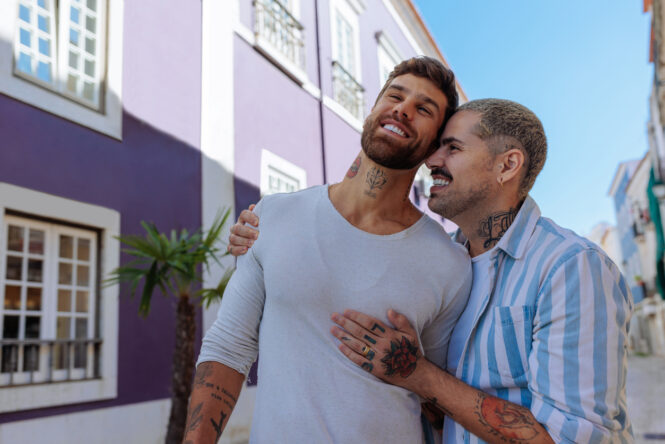
However, sexual orientation and gender identity are two very different parts of who someone is. One has to do with who you’re attracted to, while the other is about who you are. They can interact in complicated ways, but they aren’t interchangeable, and understanding the difference isn’t just about getting the language right, it’s about respecting real people’s experiences. Here’s what you need to know about what sets the two apart, and why that distinction matters more than ever.
Sexual orientation is about attraction.

This is the part that tells you who someone is romantically, emotionally, or sexually drawn to. It might be toward the opposite gender, the same gender, multiple genders, or none at all. Labels like gay, lesbian, bisexual, straight, pansexual, and asexual all fall under this umbrella.
Orientation doesn’t automatically line up with how someone presents or identifies. You can’t tell someone’s orientation just by looking at them, and assuming you can often leads to awkward or hurtful misunderstandings.
Gender identity is about who you are.
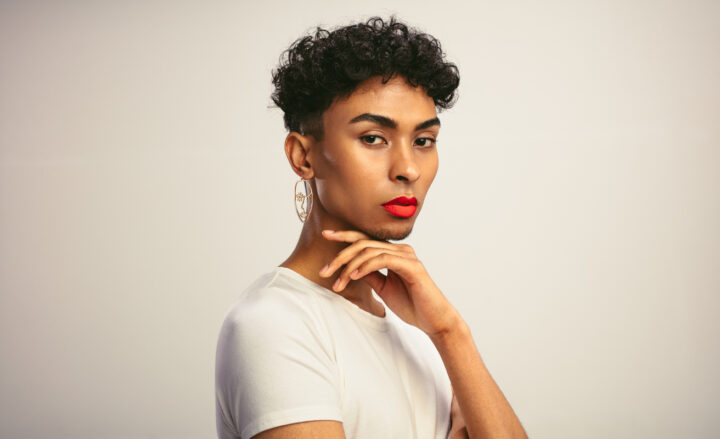
Gender identity is internal. It’s the deeply felt sense of being male, female, both, neither, or somewhere else on the spectrum. It’s not about who you’re into, but who you are at your core. For many people, that lines up with the sex they were assigned at birth. For others, it doesn’t.
That’s where terms like transgender, nonbinary, and genderfluid come in. Gender identity might be visible in how someone dresses or what pronouns they use, but at its core, it’s personal. It’s about self-understanding, not just labels.
You can be any combination of the two.

Someone can be cisgender and gay, transgender and straight, nonbinary and pansexual, and so on. These two aspects of identity operate independently, even if they sometimes influence how a person experiences the world. It’s why assuming someone’s orientation based on their gender, or vice versa, often misses the mark. The combinations are as varied as people themselves, and there’s no default or “standard” pairing.
Sexual orientation doesn’t change your gender.

Liking men doesn’t make you more feminine. Liking women doesn’t make you more masculine. Attraction doesn’t define your gender, and your gender doesn’t limit who you can be attracted to. This is especially important when talking about bisexual or pansexual people, whose orientations often get invalidated when their partners don’t “match” what other people expect. Identity isn’t a straight line; it’s a complex picture.
Gender identity isn’t based on sexuality.

Being transgender or nonbinary has nothing to do with who you’re attracted to. It’s a misunderstanding to assume that being trans is just about wanting to be with a different gender — it’s not about attraction, it’s about alignment. Many trans people are straight, gay, bi, or otherwise, just like cis people. Their orientation and their gender are separate parts of who they are, not cause-and-effect relationships.
The language around each is evolving.
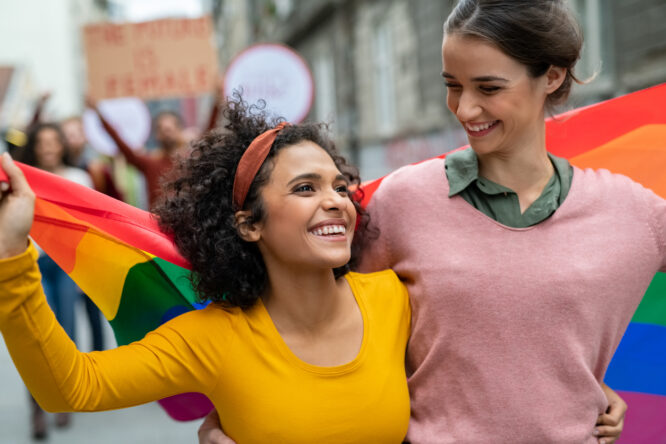
As understanding grows, so does the vocabulary. New terms emerge to help people better describe their experience, especially in communities where traditional labels don’t quite fit. What someone calls themselves today might change as they learn more about their identity. That doesn’t mean they’re confused or unreliable. It means they’re growing into themselves, just like everyone else.
Both deserve respect, even if you don’t fully understand.

You don’t have to fully “get” someone’s orientation or gender identity to treat it with basic respect. Names, pronouns, and labels aren’t just words. They’re tied to a person’s dignity and sense of self. It’s okay to not know all the terms. It’s not okay to mock, dismiss, or argue about someone’s identity because it doesn’t match your framework. If you’re unsure, ask respectfully or do a little reading before making assumptions.
Both can be fluid, but they’re still real.
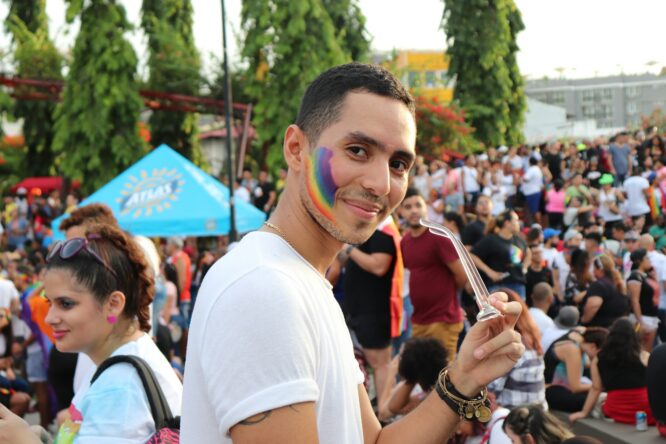
Some people find their orientation or gender identity stays the same their whole life. Others experience change—not because they were faking, but because identity is complex, and sometimes it takes time to unfold. Fluidity isn’t confusion. It’s honest self-awareness. Whether someone has known since age five or figured it out at 50, both journeys are valid. What matters is that it’s true for them now.
Misunderstanding the difference leads to harmful stereotypes.
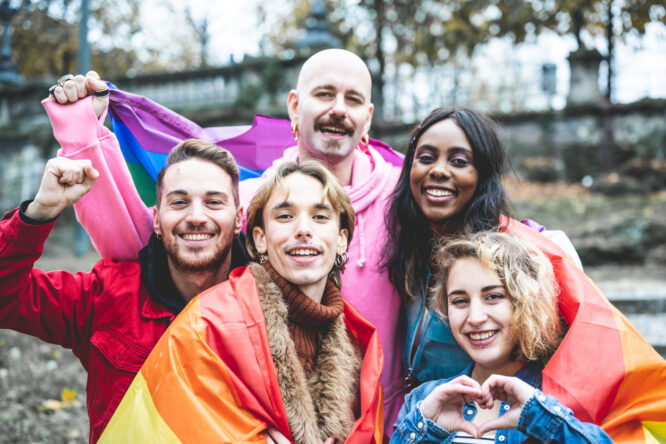
When people confuse gender identity and sexual orientation, it can fuel things like transphobia, bi-erasure, or invalidation of nonbinary experiences. People are often told their identities are “just a phase” or “actually about something else.” However, these are real identities with real-world impacts. Dismissing or oversimplifying them doesn’t make things clearer; it just makes things harder for people who are already navigating enough.
Both can shape how someone is treated socially.

Whether someone is openly gay or visibly trans, the world often responds before the person even speaks. That can mean discrimination, judgement, or exclusion, especially in spaces that cling to rigid gender and sexual norms. That’s why understanding the difference matters. It helps create safer, more inclusive spaces—ones where people don’t have to constantly explain or defend who they are.
Orientation and identity often intersect with other parts of life.

Race, culture, religion, disability, and economic background can all shape how someone experiences their gender and sexuality. There’s no one-size-fits-all way to be queer, trans, or gender-diverse. Respecting this means letting go of expectations, and listening more than assuming. Not everyone has the same journey or access to support, but that doesn’t make their identity any less real.
Curiosity is fine, but entitlement isn’t.

If you’re learning, that’s great. But remember that people don’t owe you a personal education. Asking respectful questions is okay. Demanding explanations, proof, or debate? Not so much. If someone shares their identity with you, it’s a sign of trust, not an invitation to interrogate. There’s plenty to learn online or through LGBTQ+ community resources if you’re genuinely curious.
Knowing the difference is part of being a better ally.

Getting it right doesn’t just help individuals. It helps dismantle systems that thrive on erasure and confusion. When more people understand the difference between gender identity and sexual orientation, it challenges the myths that hurt both. It makes room for people to be who they are, without having to shrink themselves into boxes that were never meant for them in the first place. That’s what allyship, and basic respect. are really about.