Religion can be a source of peace, structure, and meaning, but when it comes to health, the answer isn’t as clear-cut as some might hope.
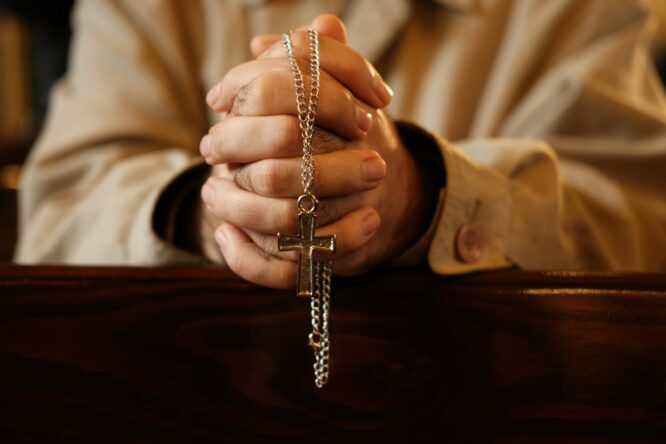
Psychological research over the years has shown that religion can support both mental and physical health—or seriously harm it—depending on a whole range of factors. Belief systems are personal, and their effects tend to reflect how they’re used, lived, and interpreted. So, is religion good for your health or not? Psychology says: possibly, but not necessarily. Here’s why it’s such a gray area.
It can provide a strong sense of purpose.

People who are religious often report higher levels of meaning in life. Feeling like you’re part of something bigger than yourself can reduce anxiety, make setbacks feel more manageable, and offer a kind of emotional resilience in tough times.
That sense of purpose doesn’t just benefit your mental health—it’s also linked to better long-term physical outcomes, including lower rates of chronic illness and even increased longevity. Of course, this only holds when religion genuinely aligns with someone’s values, not when it’s forced or fear-driven.
Community support makes a real difference.
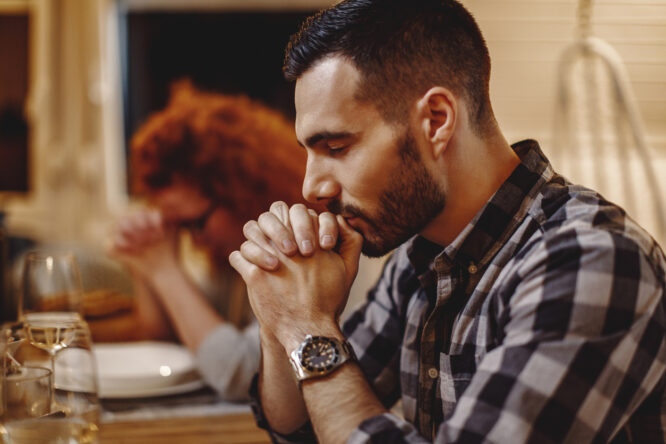
Religious groups often provide a built-in support system—people to talk to, lean on, and celebrate with. For those who struggle with loneliness or isolation, this sense of community can be life-changing.
From a psychological point of view, feeling socially connected is a protective factor against depression, anxiety, and even memory loss. But if the community is judgemental, controlling, or exclusionary, the social pressure can be more damaging than healing.
It encourages healthy lifestyle choices—for some.

Many religions promote behaviours like avoiding alcohol, smoking, or risky sexual activity. These guidelines can lead to cleaner habits and lower rates of addiction or illness in followers who embrace them willingly.
However, this isn’t universal. If health-related behaviours are motivated by shame, fear, or community pressure rather than genuine belief, the long-term psychological toll can outweigh the benefits. The “why” behind those behaviours matters just as much as the behaviours themselves.
It can reduce stress—when used as a coping tool.

Religious practices like prayer, meditation, or attending services can create calm and structure, especially during chaotic or overwhelming life events. People who rely on spiritual coping often report feeling less stressed and more grounded in difficult times.
However, if religion is used to suppress emotions or avoid addressing real problems (“God will fix it” instead of getting therapy or setting boundaries), it can create avoidance patterns that keep people stuck in distress instead of helping them move through it.
Religious guilt can damage mental health.
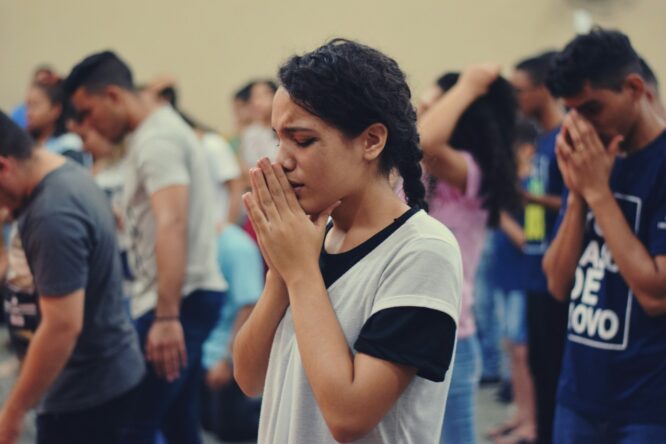
In some traditions, guilt is used as a way to guide moral behaviour, but when taken too far, it becomes shame. And shame, especially when it’s tied to identity, sexuality, or normal human impulses, is strongly linked to anxiety, depression, and low self-worth.
This is especially common in high-control or authoritarian faith settings. People raised in environments where they constantly felt they were “sinning” just by being themselves often carry long-term emotional damage, even years after leaving the belief system.
Positive beliefs can promote healing and hope.

Studies have shown that people who have a strong belief in a loving, supportive higher power often recover more quickly from illness, handle pain more effectively, and experience greater optimism during difficult medical treatments.
This doesn’t mean belief magically cures everything, but hope and positive expectation are powerful psychological tools. The placebo effect, for example, is heavily driven by belief. And in many ways, religion taps into that same mechanism when it’s built on love and safety rather than fear.
Strict doctrines can increase anxiety and fear.
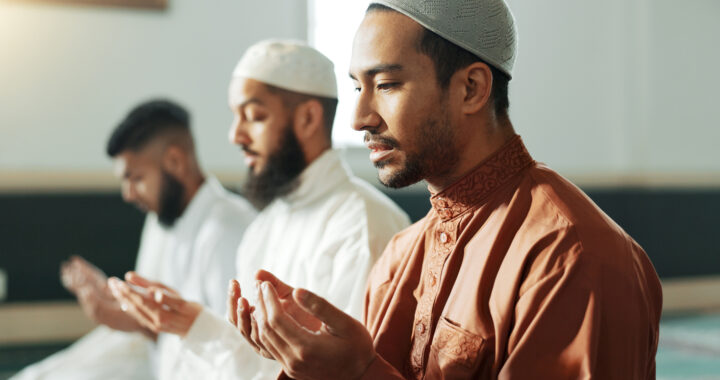
When religion is framed around punishment, fear of eternal damnation, or obsessive rule-following, it can trigger or worsen anxiety disorders, especially in people who are already sensitive, perfectionistic, or prone to obsessive thinking.
Religious trauma syndrome is a growing area of study in psychology, and it often mirrors symptoms of PTSD. Constant fear of divine punishment isn’t spiritual—it’s psychologically destabilising. And yet, many people live under this stress without even realising it.
It can protect against despair in times of loss.
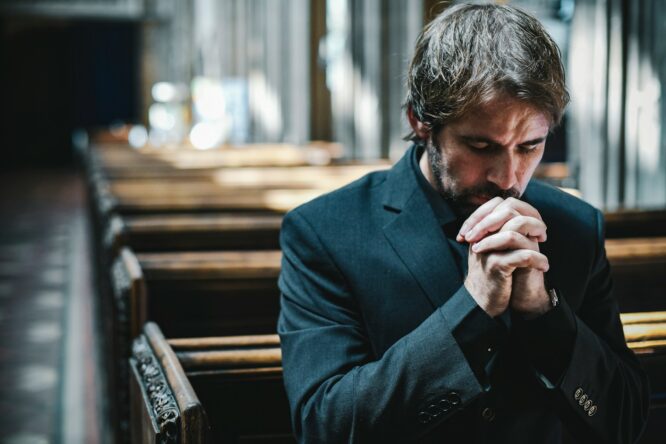
In grief, religion often provides comfort, whether it’s through beliefs about an afterlife, rituals that honour the deceased, or a framework that helps people process death as part of a larger journey.
Even people who aren’t traditionally religious often find comfort in spiritual language when facing major loss. It gives shape to something chaotic. But again, it depends—if the beliefs focus too heavily on “God’s plan” without acknowledging real human pain, it can invalidate grief rather than support it.
Identity conflict can create deep internal upset.

When someone’s natural identity—such as their sexuality, gender expression, or personal values—clashes with the teachings of their religion, the internal conflict can be crushing. Feeling torn between self-acceptance and spiritual belonging leads many into prolonged emotional distress.
Some navigate this by finding more inclusive interpretations or communities. However, for those trapped in rigid belief systems, this kind of identity-based tension is one of the clearest ways religion can harm mental health rather than help it.
It can reduce suicide risk if acceptance is part of the culture.
People involved in affirming, supportive religious communities often show lower rates of suicide, particularly when those communities openly welcome vulnerability and offer real support during crisis. Sadly, in communities that preach exclusion, shame, or intolerance, especially toward LGBTQ+ people, those same teachings can increase suicide risk dramatically. Religion can be a lifeline, or a trap. It all depends on the tone of the teachings and the people enforcing them.
Rituals offer structure that can reduce chaos.

Religious rituals—weekly services, prayers before meals, holidays, fasting—create a rhythm that provides predictability and grounding. For people who struggle with chaos, grief, or major life transitions, this structure can feel stabilising.
Psychologically, routine and ritual are linked with reduced anxiety and improved emotional regulation. But when rituals become obsessive, or enforced without meaning, they can go from grounding to oppressive, especially when tied to fear or punishment.
Faith can fuel resilience, but not always reflection.

Believing that a higher power is guiding you or helping you through suffering can make people incredibly resilient. It gives them something to hold onto when life feels impossible. However, blind faith can sometimes block self-reflection. If everything is “meant to be,” people might ignore red flags, stay in harmful situations, or avoid taking personal responsibility. Not all resilience is healthy—sometimes, it’s just endurance in disguise.
It’s what you make of it, ultimately.
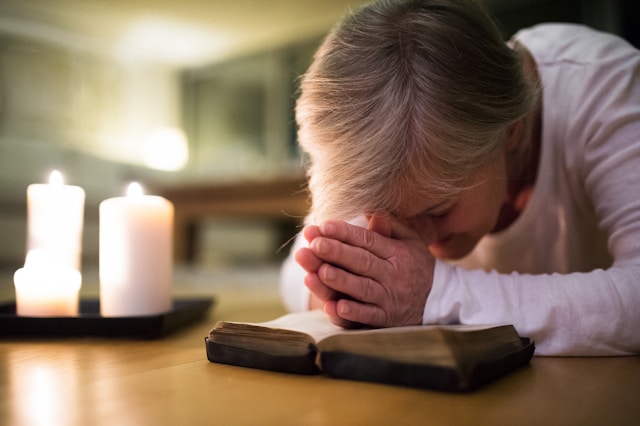
Religion can be healing. It can also be harmful. Its impact on your health depends on how it’s practiced, who’s guiding it, and whether it aligns with your true self. Psychology doesn’t give a simple yes or no—it just reminds us that belief alone isn’t what makes us well. It’s how that belief is held, shared, and lived.