Good manners never go out of style, but sadly, some of them seem to be on the verge of extinction.
Basic courtesy and consideration aren’t particularly hard, but you wouldn’t know that given how little of it some people seem to show. It’s particularly noticeable in younger people, who don’t appear to have been taught these lessons by their parents. One thing’s for sure: The world would be a much better place if they were!
1. Saying “please” and “thank you” consistently
These two simple words go a long way, but they’re increasingly forgotten by kids today. Whether they’re asking for a snack at home or getting help with their homework, skipping these basics changes a polite request into an aggressive demand.
It’s the simplest possible way for a child to show another person that they acknowledge their effort and don’t just view them as a robot there to serve them. Keeping this habit alive teaches children gratitude from an early age and reminds them that a little bit of appreciation goes an incredibly long way.
2. Holding the door open for people

It’s a small gesture, but teaching kids to take half a second to look behind them and hold a door speaks volumes about their awareness of the world around them. Too often, children barrel through entrances with total tunnel vision, letting heavy doors slam right in the face of whoever is walking behind them.
Training them to glance back shows that they’re actively thinking about the comfort of those around them. It’s a tiny, effortless act of consideration that immediately makes public spaces feel a lot more welcoming and less dog-eat-dog.
3. Greeting people properly
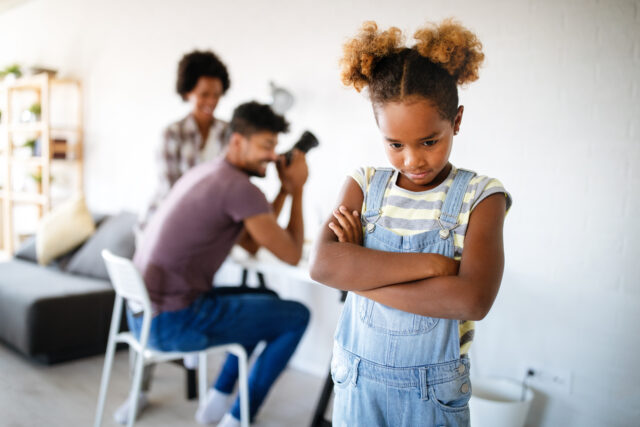
A quick, friendly acknowledgment when walking into a room or approaching a counter can completely change the tone of an interaction. These days, kids are often far too buried in their tablets or phones to even look up and acknowledge the human being standing right in front of them.
Whether they’re dealing with a neighbour on the street, a teacher at school, or a shop assistant, a proper greeting builds an instant positive connection. It costs absolutely nothing to teach them to be friendly, and it stops daily life from feeling cold and robotic.
4. Making eye contact when speaking
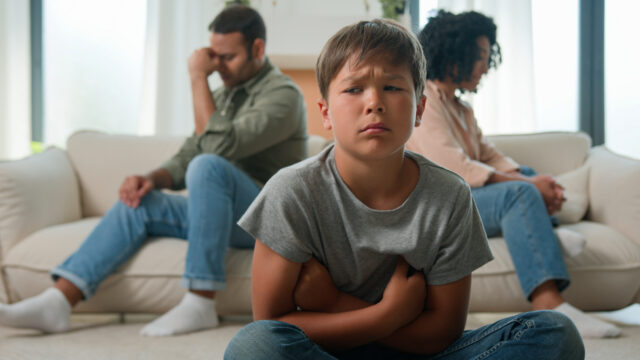
Looking someone in the eye while talking or listening shows a basic level of confidence, engagement, and respect. It signals to the other person that the child is entirely present in the conversation and actually valuing what’s being said, rather than just waiting for their turn to run off.
When kids stare at the floor, scan the room, or keep checking a screen during a chat, it sends a clear message that they’d rather be anywhere else. Perfecting this simple bit of body language makes them far more empathetic and trustworthy communicators as they grow up.
5. Covering their mouth when coughing or sneezing
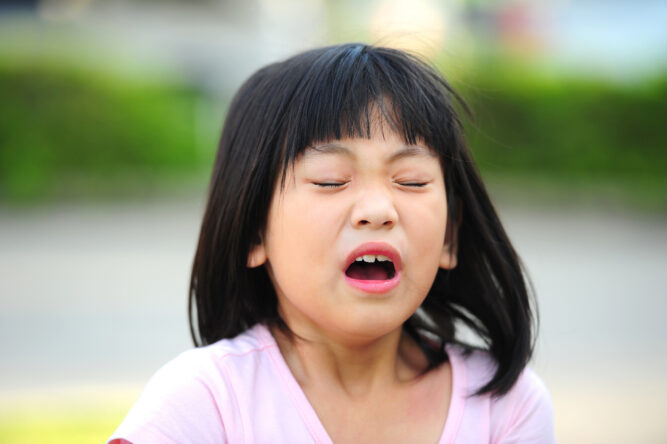
You’d think this one was entirely basic hygiene, but you’d be surprised by how many kids still openly spray germs into shared air without a second thought. Catching a cough or a sneeze in a tissue or the crook of their elbow is a non-negotiable sign of consideration for the health of the people around them.
It’s a simple, automatic habit that parents need to drill in early to keep everyone healthier and avoid those incredibly awkward, frustrating moments where a stranger realises they’ve just been covered in a child’s germs.
6. Listening without interrupting
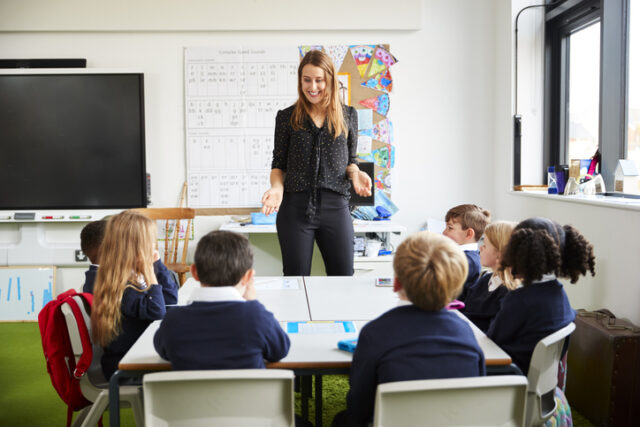
Patience isn’t always easy for young minds, but learning to let someone finish their sentence before jumping in is absolutely crucial for decent conversation. Cutting across an adult or another child while they’re speaking basically tells them that the kid’s thoughts are far more important than theirs.
By training children to listen fully before forming a response, we show them how to care about another person’s perspective. It creates a much calmer, more respectful dynamic where everyone feels heard rather than constantly talked over.
7. Saying “excuse me” when needing attention

Instead of shouting over an adult, pushing past blindly, or physically tugging continuously on a parent’s sleeve, a polite “excuse me” gets attention in a totally civilised way. Whether a child needs to pass someone in a narrow aisle or interrupt a teacher with an urgent question, this phrase shows instant respect for personal boundaries. It creates a small, polite pause in the day that makes unpredictable daily interactions feel a whole lot smoother and less confrontational.
8. Offering a handshake or polite introduction
Introducing themselves clearly with a steady handshake or a friendly greeting sets a massive first impression that people will remember. It shows a strong level of social awareness and maturity that is becoming increasingly rare in a world dominated by text messages and social media. Taking the time to teach children a proper, confident introduction is like a breath of fresh air, helping them stand out for all the right reasons as they grow into young adults.
9. Saying “sorry” and meaning it
Apologies are incredibly powerful tools for fixing social friction, but they completely lose their value when they’re mumbled, forced, or entirely insincere. Learning to offer a genuine apology when they’ve messed up shows kids the real meaning of personal accountability.
It requires them to step outside of their own ego, acknowledge how their actions affected someone else’s feelings, and actively work to repair the relationship rather than just smoothing things over to avoid getting into trouble.
10. Respecting personal space
This isn’t just about refusing to crowd someone in a queue; it’s about deeply understanding physical and emotional boundaries from a young age. Everyone needs a bit of breathing room, and teaching kids not to loom over people, grab other children’s belongings without asking, or intrude on private conversations is vital.
Developing a sharp sense of spatial awareness shows that they respect the comfort of the people around them, helping everyone avoid incredibly awkward or tense situations.
11. Chewing with their mouth closed
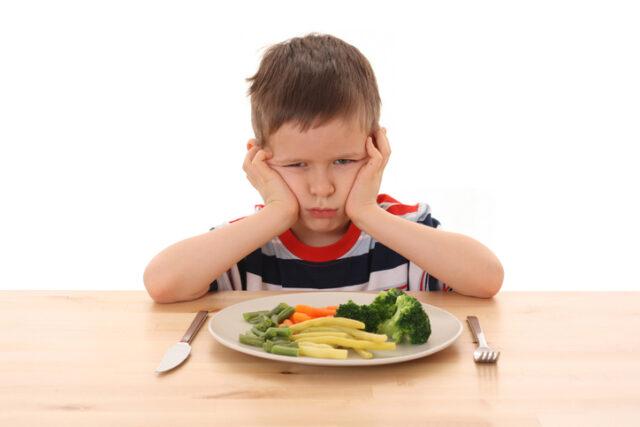
Absolutely nobody enjoys the sight or sound of a child chewing their food loudly with their mouth wide open. Making a conscious effort to eat quietly and neatly is a basic sign of respect for the people sharing the dinner table. Table manners like this make family meals infinitely more pleasant and ensure that children can feel entirely confident dining in any social setting later in life, from a casual quick lunch to a formal event.
12. Using polite table manners
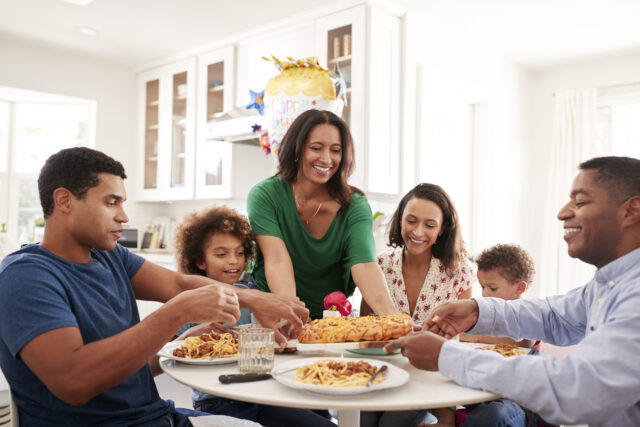
Basic courtesies at the dinner table like waiting for everyone to be served before diving in, using utensils properly, and asking someone to pass a dish instead of lunging across the table are fading fast. But these small rules exist for a reason: they transform a chaotic feeding frenzy into a pleasant, shared social experience. Keeping these standards alive at home makes dining together an actual pleasure rather than a stressful ordeal for parents.
13. Writing thank-you notes

Sending a handwritten thank-you note might feel incredibly old-school, but it remains one of the most powerful ways for a child to show true appreciation. Taking a few quiet minutes to sit down, pick up a pen, and express their gratitude for a birthday gift or a kind favour shows a level of thoughtfulness that a quick text from a parent’s phone just can’t match. It’s a beautiful habit that forces kids to pause, reflect on someone’s kindness, and leave them with a lasting token of thanks.
14. Waiting their turn
Patience is a massive virtue, but our culture of instant gratification has made the art of waiting incredibly rare for kids. Whether they’re standing in a school dinner queue, waiting for their turn to speak in class, or playing a game with friends, respecting the order of things shows they don’t think they’re above everyone else. It teaches children that their immediate desires aren’t the centre of the universe and keeps life moving in a fair, ordered way.
15. Being kind to servers, shop assistants, and workers
The absolute truest test of a person’s character—and a parent’s upbringing—is how they treat the staff who are serving them. Making an effort to teach kids to be incredibly polite, patient, and appreciative to retail staff, waiters, and bus drivers shows real empathy and emotional intelligence. A bright smile and a genuine thank you from a child can completely turn around a worker’s incredibly stressful day, and it proves they value every single person’s presence.