Britain’s coastal railways offer something a scenic drive simply can’t match.

It comes complete with long stretches of uninterrupted sea view unfolding right outside the window, with none of the stress of actually navigating there yourself. Several of these routes have survived decades of closures and cutbacks, and they remain some of the most rewarding ways to reach the British seaside. Here are six of the loveliest, along with somewhere worth staying once you arrive.
North Wales offers two very different coastal routes worth exploring.
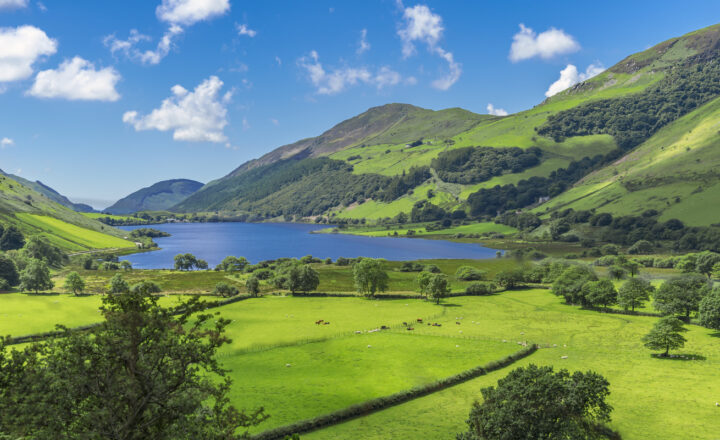
The Cambrian Coast Line splits at Machynlleth, with one branch heading south toward Aberystwyth and the other winding north toward Pwllheli, both tracing the edge of Cardigan Bay for mile after mile. The northern stretch edges out as the more scenic of the two, passing white hillside villas, stone chapels and the occasional castle glimpsed inland, alongside expansive stretches of open sand. Summer trains fill up fast with holidaymakers already dressed for the beach, and the approach into Barmouth across its long viaduct offers a particularly memorable view.
Further north, the North Wales Coast Line does double duty as both a practical transport link and a real holiday route. After tracing the Dee Estuary, the train passes beaches at Rhyl before reaching Llandudno Junction, the starting point for the short branch line into Llandudno itself. The town’s promenade still carries real elegance, lined with cream-coloured Victorian villas that feel slightly at odds with the modern cars parked below them.
Yorkshire’s coastline is reachable by two different lines.
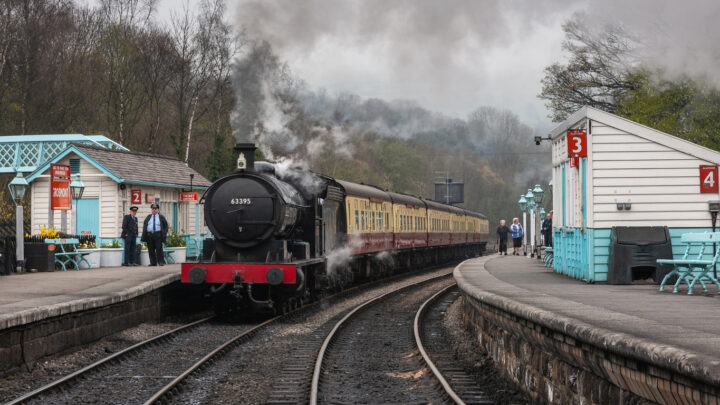
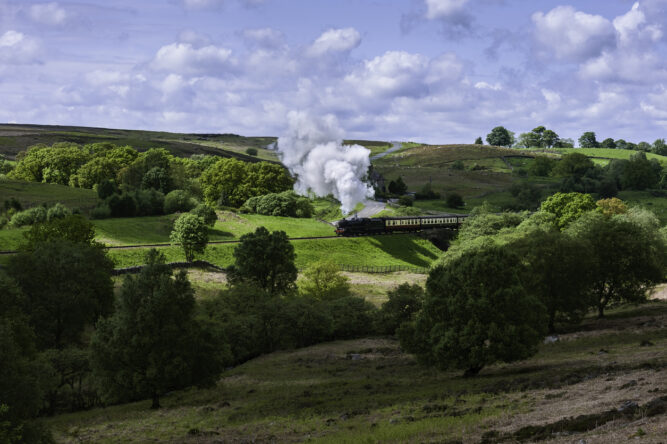
Despite losing two connecting routes decades ago, the line from Middlesbrough to Whitby survived, running past open fields with the Yorkshire Moors rising to the south. At Grosmont, the modern line meets a heritage railway, where a steam or vintage diesel train continues onward, crossing the River Esk repeatedly before running alongside its estuary into Whitby, whose station sits remarkably close to the harbour itself.
Further north, the route to Scarborough remains one of Britain’s longest surviving coastal lines, passing landmarks like the ruins of Kirkham Abbey beside the River Derwent before reaching Scarborough’s dramatic station approach. Both routes reward the patient traveller with lovely Yorkshire coastal scenery, whether wild moorland or gentler riverside views.
Devon’s coast offers one of Britain’s most photographed rail journeys.
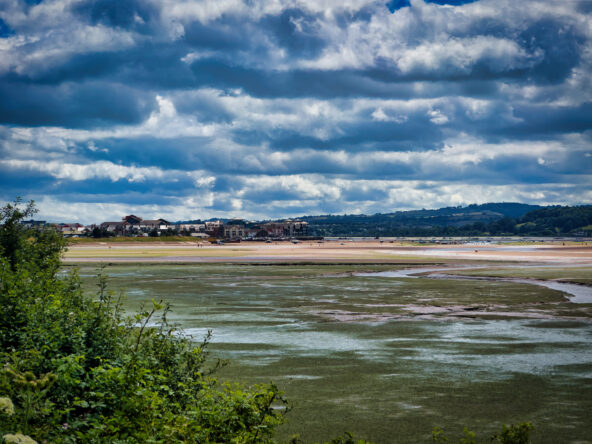
Leaving Exeter St David’s, the train follows the wide Exe Estuary before the water opens out into the English Channel near Dawlish Warren, where a sea wall runs alongside the tracks for the remainder of the journey. On a calm day, watching paddlers on Dawlish beach from the train window captures a scene that’s appeared on countless biscuit tins and jigsaw puzzles over the years.
Between Dawlish and Teignmouth, the line ducks through a series of short cliff tunnels, each one opening onto quiet coves that feel plucked from an old adventure story. The sea seems to grow more vividly blue with every tunnel the train emerges from, making this one of the most atmospheric short stretches of coastal railway anywhere in the country.
Norfolk’s marshland route feels unlike anywhere else in Britain.
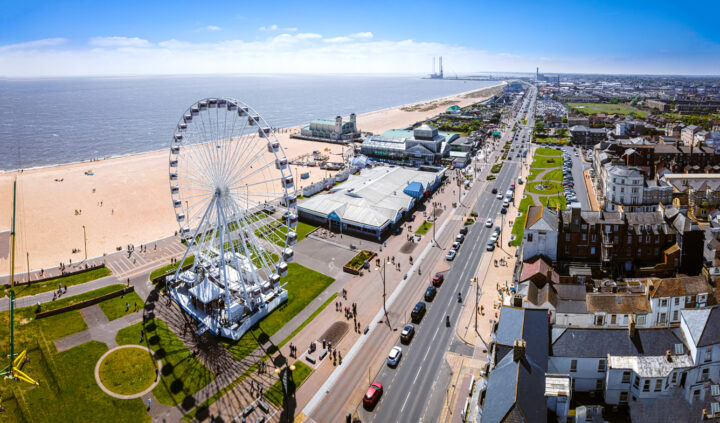
The Wherry Lines connect Norwich to both Great Yarmouth and Lowestoft, with the Lowestoft route offering the more striking scenery of the two. Flat marshland stretches out like an inland sea, dotted with old, broken windmills along the horizon, while boats occasionally glide past on the River Waveney, sitting slightly above the level of the tracks themselves.
Lowestoft’s own station, designed in an Italianate style by the same builders behind the Royal Albert Hall, still evokes a sunny courtyard despite losing its original roof decades ago. The town’s seafront leans firmly into its Victorian character too, complete with an ornamental garden, a proper esplanade and rows of traditional guesthouses.
The Scottish Highlands deliver scenery unlike anywhere else on this list.
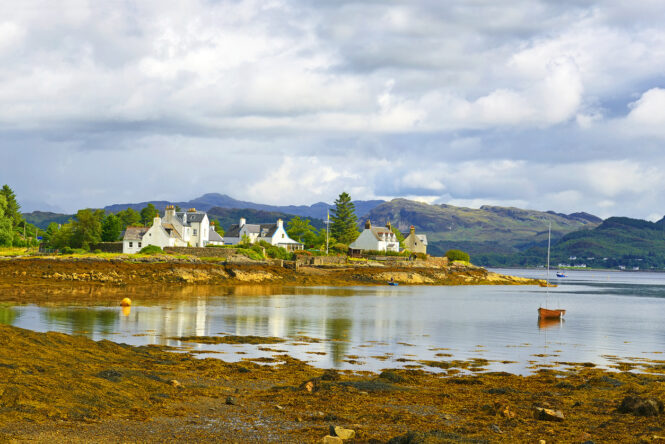
The route from Inverness to Kyle of Lochalsh spends its final stretch tracing the edge of Loch Carron for well over 10 miles, occasionally slipping through narrow stone gorges before opening back out to the water. Small diesel trains look almost comically tiny against the surrounding hills and lochs, while summer brings out vivid colour everywhere, from bright yellow gorse and purple heather to bluebells growing right along the tracks.
Kyle itself is worth a wander, though the mountains of Skye visible across the road bridge are hard to ignore. Many travellers continue onward by taxi to explore the island further, particularly its historic clan connections and dramatic scenery.
A good base makes the whole trip even more worthwhile.
Each of these routes ends somewhere worth lingering, whether that’s a boutique guesthouse minutes from a Welsh promenade, a converted Georgian house near the Norfolk coast, or a secluded farmhouse looking out over Cardigan Bay. Picking somewhere to stay near the station, rather than needing a car once you arrive, keeps the whole trip refreshingly simple from start to finish.
Whichever coastline you choose, the appeal remains largely the same throughout. These journeys turn getting there into just as memorable a part of the holiday as the destination itself, offering long, unhurried stretches of sea view that a car journey simply can’t replicate.