I was an only child, and while I loved it, it wasn’t without its challenges.

Not having siblings can be both a lonely and empowering experience, and it definitely changes the adult you become. Here are a few struggles you likely experienced if you grew up as an only child. I relate to more than a few of these myself!
1. You never quite mastered the art of sharing.

Without siblings to constantly negotiate with or fight over the last biscuit, sharing doesn’t always come naturally. You might have to consciously remind yourself to share as an adult, whether it’s food, your physical space, or even just someone’s attention. It’s not that you’re selfish; you’re just used to a world where what’s yours is yours, and there was never a reason to think otherwise.
2. You’re comfortable with being alone—sometimes too comfortable.

Growing up, you had to learn to entertain yourself and find joy in your own company. While this is a brilliant skill to have, it can mean that as an adult, you find it hard to break out of your solitary habits. You might find yourself turning down social invites not because you’re busy, but because your sofa and a book feel much more natural than trying to be “on” for other people.
3. You feel pressured to achieve more.

As the only focus of your parents’ attention and expectations, you might feel an added weight to succeed in everything you do. Without siblings to share the load of parental hopes and dreams, you can feel like you’re carrying the entire weight of your family’s future on your shoulders. If you fail, there’s no “backup child” to make them proud, and that’s a lot for one person to deal with.
4. You struggle with conflict resolution.

Without the daily practice of sibling squabbles—the kind where you scream at each other and then are best mates 10 minutes later—you might find it harder to navigate drama as an adult. The push and pull of compromise that comes naturally to those with siblings might be a skill you had to learn the hard way later in life. You might either avoid conflict entirely or take it way too personally because you never had that safe training ground at home.
5. You’re fiercely independent, sometimes to a fault.

Years of self-reliance have made you incredibly independent. While this is generally a positive thing, you might struggle to ask for help even when you’re completely overwhelmed. You’re so used to tackling problems on your own that the idea of leaning on someone else feels almost like a failure, even when support would make your life 10 times easier.
6. You find group dynamics a bit of a challenge.
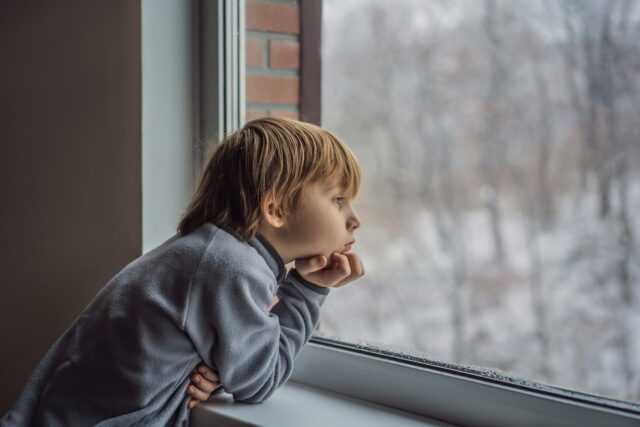
Large family gatherings or big friend groups can sometimes feel totally overwhelming. You’re used to one-on-one interactions or small groups with your parents, so navigating the complexities and noise of a big group doesn’t always come naturally. You might find yourself fading into the background or feeling exhausted by the social gymnastics required to keep up with everyone at once.
7. You’re often mistaken for being spoiled.

People always assume that being an only child means you were spoiled rotten and always got your own way. While you might have received more material things because there weren’t three other kids to buy for, you know that doesn’t necessarily mean you’ve got a spoiled character. In fact, many only children are more responsible because they had to act like “little adults” from a young age.
8. You feel guilty about leaving your parents.

As an adult, you might struggle with heavy feelings of guilt when you move away or start your own life. You’re acutely aware that you’re your parents’ only child, and the responsibility of being there for them as they age can weigh heavily on you. You don’t have a brother or sister to share the care or the emotional burden, so it all sits squarely with you.
9. You sometimes wish for a sibling, even as an adult.

While you’re used to being on your own, there are moments when you wish you had a sibling to share the load. This is especially true during tough times or major life events, where having someone who “gets” your family’s specific brand of chaos would be a massive comfort. That feeling can persist well into adulthood, leaving you wondering what it would be like to have a lifelong teammate.
10. You’re not used to hand-me-downs.

The concept of hand-me-downs is completely foreign to you. Everything you had growing up was new and specifically for you, which is a luxury you probably didn’t even notice at the time. This might have made you a bit less adaptable when it comes to using second-hand items or sharing possessions later in life, simply because you never had to do it.
11. You struggle with being the centre of attention.
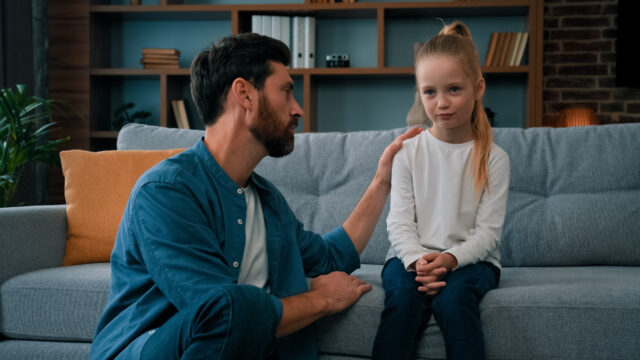
Growing up, you were always the main focus in your family, but as an adult, you might find that level of attention quite uncomfortable. In larger social settings, you might prefer to blend in rather than stand out because the pressure of everyone’s eyes on you feels a bit too much like being back at the dinner table with your parents’ full focus on your every move.
12. You have a hard time understanding sibling dynamics.

The complex relationships between siblings—the mix of intense rivalry and unconditional love—can be totally baffling. You’ve observed it in your mates, but you’ve never personally experienced that bond where you can hate someone one second and be ready to fight for them the next. It’s a dynamic that remains a bit of a mystery to those of us who grew up in a quiet house.
13. You’re far more used to adult company.

As a child, you likely spent a lot of your time around adults, which probably made you mature faster in some ways. However, it can also mean you sometimes struggle to relate to peers who had very different, more child-centric experiences. You might have been the kid who preferred the grown-up table at parties, which can make you feel a bit out of sync with people your own age even now.
14. You feel the need to be self-sufficient.
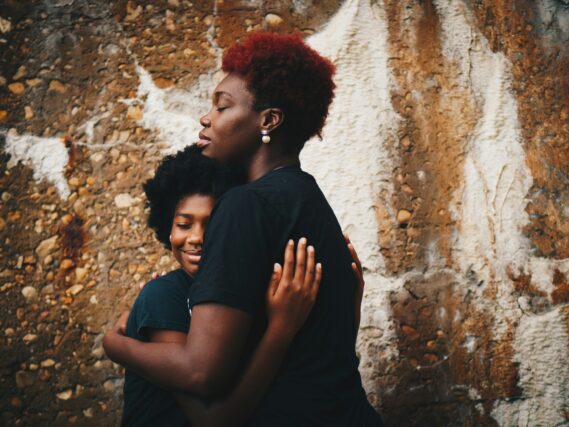
You’ve always known that you’ll need to take care of yourself and eventually, your parents. This creates a powerful drive for self-sufficiency, but it also piles on the pressure to ensure you’re always capable of handling everything. There’s no one else to step in if you drop the ball, so you feel like you have to be “on” and prepared for anything at all times.
15. You sometimes feel like you missed out on the sibling experience.

While you appreciate the benefits of being an only child, there are times when you feel a twinge of regret for not experiencing the bond of siblinghood. You might wonder how having a brother or sister would have shaped your personality or changed the way you see the world. It’s a path you’ll never get to walk, and that can leave a bit of a lingering curiosity.
16. You value your friendships intensely.

Without siblings, your friends often take on a much more significant role in your life. You form very close, almost familial bonds with your mates, seeing them as the sisters or brothers you never had. This leads to deep, lasting friendships, but it can also lead to massive disappointment if they don’t treat the relationship with the same “family-level” intensity that you do.