Having an overprotective parent can mess with your head in ways you don’t realise until you’re older.
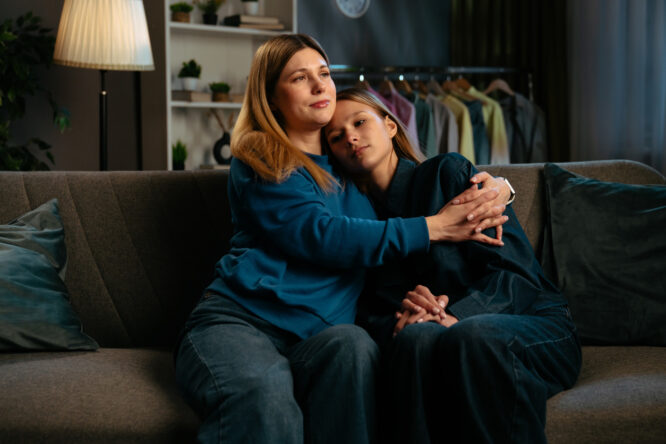
That’s when you start noticing that you react differently to things than other people do. What felt like love and care when you were little might have actually been your parent’s anxiety controlling your life, and now you’re dealing with the aftermath of never being allowed to make your own mistakes or figure things out for yourself. If these experiences feel familiar to you, it’s clear you’re the child of an overprotective parent.
1. You panic when you can’t reach someone immediately.

If your friend doesn’t text back within an hour or your partner’s phone goes to voicemail, you immediately assume something terrible has happened to them. You’ve been trained to think that lack of communication equals danger because your parent freaked out whenever they couldn’t reach you.
This anxiety about other people’s safety probably comes from growing up with a parent who called you constantly, tracked your location obsessively, or had meltdowns when you were five minutes late coming home.
2. You’re absolutely terrible at making decisions.

Even simple choices like what to order at a restaurant or which movie to watch can feel overwhelming because you never got practice making decisions as a kid. Your parent probably made most choices for you “to keep you safe” or because they thought they knew what was best.
Now you second-guess yourself constantly and might even call your parent for advice about things that other people your age handle easily. You never learned to trust your own judgement because someone else was always making decisions for you.
3. You feel guilty about perfectly normal activities.

Going out with friends, staying up late, or doing anything spontaneous makes you feel anxious or guilty, even when you’re not doing anything wrong. Your parent’s excessive worry has become your internal voice that makes you feel bad for living a normal life.
You might find yourself making excuses for things that don’t need excuses, or feeling like you have to justify normal social activities because you grew up thinking that fun things were dangerous or irresponsible.
4. You have zero experience dealing with conflict.

Your parent probably solved all your problems for you, called teachers when you had issues at school, or intervened in friendship drama instead of letting you figure it out yourself. Now you have no idea how to handle disagreements or stand up for yourself.
When someone’s rude to you or there’s a problem that needs addressing, you might freeze up, avoid confrontation entirely, or immediately want to call someone else to handle it because you never learned these skills.
5. You’re weirdly naive about some aspects of life.

Because your parent shielded you from anything they deemed inappropriate or dangerous, you might be surprisingly innocent about things that other people learned about naturally. This could be anything from street smarts to understanding how relationships work. You might trust people too easily, not recognise red flags that seem obvious to other people, or be shocked by normal human behaviour because you were kept in a protective bubble for too long.
6. You struggle with basic independence skills.

Simple adult tasks like booking doctor’s appointments, handling your own banking, or dealing with official stuff makes you anxious because your parent always did these things for you. You might be academically smart but practically helpless. Other people your age seem to handle adulting naturally, while you’re googling how to make basic phone calls or asking friends to help with things that should be straightforward because you were never taught or allowed to do them yourself.
7. You feel like you need permission for everything.

Even though you’re technically free to make your own choices now, you still feel like you need someone’s approval before doing normal things like changing your hair, buying something you want, or making plans with friends. The need for permission might be so ingrained that you automatically ask for approval even when it’s not necessary, or you feel anxiety when doing things without checking with someone first.
8. You have an unrealistic fear of everyday risks.

Your parent’s anxiety about safety has become your anxiety, so you worry excessively about things like walking alone at night, trying new foods, or doing activities that have minimal actual risk but felt dangerous to your overprotective parent. You might avoid perfectly safe situations because you’ve internalised someone else’s fears, or you might not even realise that your level of worry about normal activities is much higher than most people’s.
9. You have trouble trusting your own instincts.

Because your parent constantly told you what to think, feel, or do in different situations, you never developed confidence in your own judgement. You might ignore gut feelings or dismiss your own opinions because you’re used to someone else being the authority. When something feels wrong, or you have a strong reaction to a situation, you might dismiss it as being overly sensitive or dramatic because you were taught that your parent’s judgement was always better than yours.
10. You feel guilty about your successes.

Achieving things independently might make you feel bad because it means you didn’t need your parent’s help or protection as much as they thought you did. Your successes might feel like proof that their overprotectiveness wasn’t necessary. You might downplay your achievements or feel anxious about celebrating them because it challenges the narrative that you need constant guidance and protection to survive in the world.
11. You struggle to set boundaries with your parent.

Your parent is probably still trying to control aspects of your life, giving unsolicited advice, or expecting to be involved in decisions that should be yours alone. But you have trouble saying no because you’re used to their involvement feeling normal. Setting boundaries feels mean or ungrateful because you’ve been told that their overprotectiveness was done out of love, so pushing back feels like rejecting their care rather than claiming your independence.
12. You’re attracted to controlling partners.

Because excessive control felt like love in your family, you might find yourself drawn to romantic partners who are similarly overprotective or controlling. Their jealousy or need to know where you are all the time might feel familiar and caring. You might not recognise controlling behaviour as problematic because it reminds you of how your parent showed they cared. The line between love and control got blurred early, so unhealthy relationship dynamics can feel normal.
13. You have intense fear of disappointing people.

Growing up with a parent who was constantly worried about you probably made you feel responsible for managing their anxiety. Now you’re terrified of letting anyone down because you associate other people’s worry with your own failure. You might work incredibly hard to be perfect or avoid taking any risks that might upset someone because you learned that other people’s emotional states are somehow your responsibility to manage.
14. You feel like you’re behind your peers in life experience.

While your friends were learning independence gradually through normal teenage experiences, you were still being heavily monitored and protected. Now you feel like you’re playing catch-up on basic life skills and experiences that other people take for granted.
You might feel embarrassed about how sheltered you were, or frustrated that you’re having to learn things now that other people figured out years ago. It can feel like you’re constantly trying to make up for lost time in developing normal independence and confidence.