
The British have a way with words that Americans often find irresistibly charming, for some reason.

Whether it’s our quirky expressions or our polite understatements, these phrases capture the humour and culture of the UK in a way that’s both endearing and puzzling to our friends over the pond. Here are 14 common British phrases that tend to delight (and sometimes confuse) Americans. They’re a far sight better than “Cheerio!” that’s for sure!
“Fancy a cuppa?”
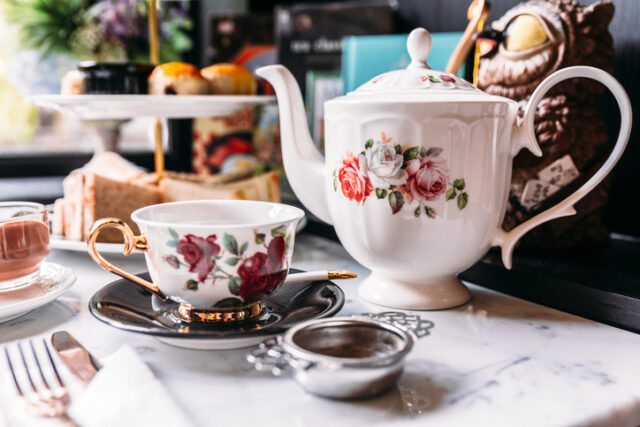
To anyone living in Britain, this isn’t high poetry; it’s practically the first thing you say when someone walks through your front door. To American ears, though, using “fancy” as a casual verb sounds wonderfully old-fashioned and cosy. In the States, making coffee is usually a transaction or a solo morning caffeine hit. In the UK, offering a cuppa is an immediate peace offering, a conversation starter, and a way to solve almost any domestic crisis. The warmth baked into three short words makes it a firm favourite for visitors.
“Brilliant!”

In American conversation, “brilliant” is almost strictly reserved for genius-level intelligence, like a Nobel Prize winner or an incredible work of art. In the UK, you’ll hear people use it to describe someone handing them a receipt, finding a car parking space, or agreeing to meet at 7 p.m. Hearing a grand word deployed for tiny, mundane wins brings an upbeat, lively energy to ordinary chats. It’s enthusiastic without feeling forced, which is why travellers pick it up almost immediately.
“Cheeky”

This word does an incredible amount of heavy lifting in British culture. We talk about a “cheeky pint” after work, a “cheeky takeaway” on a Tuesday, or a “cheeky nap” on a Sunday afternoon. It describes something slightly indulgent that you probably shouldn’t be doing, but you’re going to do anyway without any real guilt. Americans are fascinated by how adaptable it is because their own vocabulary doesn’t have a single word that captures that exact brand of harmless mischief.
“Knackered”

Saying you’re “tired” or “sleepy” feels completely flat when you’ve just finished a 12-hour shift or spent three hours stuck on a delayed train. “Knackered” carries real physical weight. It sounds like bones aching and feet dragging on the floor. While the historical origins of the word are a bit grim, modern use simply paints a vivid picture of being completely wiped out. Americans love how much punch it packs compared to standard terms for fatigue.
“Pop to the shops”

In America, people “run errands” or “make a grocery run”, which makes picking up dinner sound like a serious military operation. Brits soften the blow by “popping” everywhere: popping to the corner shop, popping the kettle on, or popping out for five minutes. It makes even the most boring domestic chore sound quick, light, and effortless. That breezy rhythm makes everyday life feel just a tiny bit more relaxed.
“Chuffed to bits”

British culture isn’t big on boastful celebrations, which is why “chuffed” works so well. It captures real pride and happiness without sounding arrogant. Tacking “to bits” onto the end gives it an extra layer of warmth, painting a picture of someone quietly grinning to themselves after passing a driving test or getting a modest promotion. Visitors love how wholesome it sounds, capturing satisfaction without any showy bragging.
“Bloody”

It’s the ultimate British verbal seasoning. It isn’t a proper swear word that would get you kicked out of a family room, but it carries far more grit than saying “very” or “really”. Whether someone’s talking about a “bloody nightmare” of a commute or having a “bloody marvellous” weekend away, it gives sentences an immediate injection of personality. Americans find it amusing because it delivers frustration or joy with just the right amount of edge.
“Taking the mickey”

Banter is the universal currency of British friendship, and this phrase sits right at the heart of it. Teasing your mates, puncturing their egos, and laughing at their mistakes is how we show affection, but explaining that concept to outsiders can be tricky. “Taking the mickey” softens the edges, making it clear that a sharp comment was delivered with love rather than malice. It reflects that uniquely British approach to keeping everyone grounded.
“Ta”

Why waste two syllables on “thank you” when one tiny sound does the exact same job? Hearing someone say “ta” as they grab their change from a shopkeeper or take a cup of tea can puzzle visitors at first. Once they realise what it means, they usually love it. It’s the ultimate example of British efficiency, offering a warm nod of gratitude without making a big song and dance out of it.
“Gobsmacked”

When shocking news hits, “surprised” or “stunned” doesn’t quite cut it. “Gobsmacked” creates a brilliant mental picture: someone literally smacked in the mouth by disbelief, standing there with their jaw on the floor. It’s loud, expressive, and fun to say aloud. It turns unexpected drama into something vividly physical, which makes it an instant hit with people discovering British slang for the first time.
“Bits and bobs”

Every home has a junk drawer filled with loose change, batteries, rubber bands, and mysterious keys. In Britain, that’s not clutter; those are your “bits and bobs”. We also use it to describe a loose list of weekend plans or a handful of small groceries. It’s a casual, sing-song phrase that groups together life’s minor details into one tidy package, making dull errands sound almost charming.
“Faffing about”

There is a massive difference between being productive, being totally lazy, and simply faffing about. It describes that specific state of looking busy while getting absolutely nothing done—tidying a desk for an hour, looking for sunglasses, or adjusting the radio instead of leaving the house. Brits are refreshingly honest about their own procrastination, and this phrase captures that aimless, time-wasting habit perfectly.
“Sorted”

Few words bring as much quiet satisfaction as a firm “sorted”. It means the paperwork is filed, the plumber has arrived, the tickets are booked, and the problem has officially ceased to exist. In American workplaces, wrapping up a job often comes with long status updates and sign-offs. In the UK, one sharp syllable tells everyone in the room that the job is done and they can all move on.
“Gutted”

When your football team concedes in the 94th minute or the concert you spent months looking forward to gets cancelled, you aren’t just sad; you’re gutted. It captures that hollow, sinking feeling right in the pit of your stomach. It’s raw and completely honest, but delivered with a distinct sense of resignation that says: “Well, that’s ruined my week, but what can you do?” That mix of real sorrow and weary acceptance is as British as it gets.