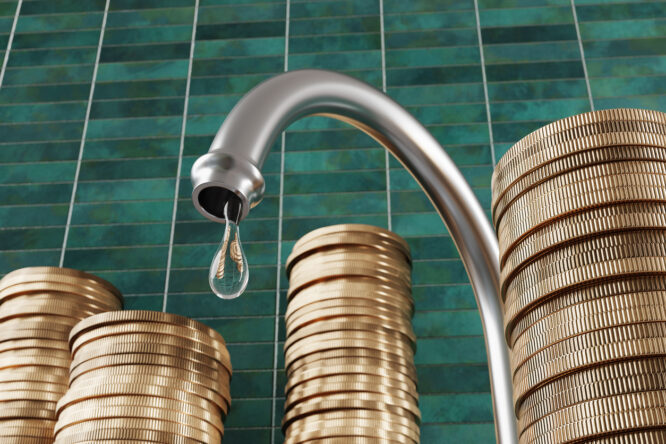
Fuel prices have been all over the place, and for a lot of people, filling up still feels like a hit every time.

The frustrating part is that most drivers focus on big changes, like switching cars or cutting journeys, when there are smaller things that quietly drain money every single week. The reality is that a few simple tweaks to how your car is set up and how you drive can make a noticeable difference. On their own they might seem minor, but put together, they can cut a decent chunk off your petrol or diesel costs in the long run.
Remove unused roof racks and boxes when you don’t need them.

Roof racks are one of those things people forget about. They sit there empty most of the time, but still affect how the car moves through the air. At higher speeds, especially on motorways, they create drag, which forces the engine to work harder just to maintain speed. Taking them off when they’re not being used is one of the easiest wins. It doesn’t cost anything, takes a few minutes, and can make a real difference over longer journeys where fuel use is already higher.
Clear out unnecessary weight from your boot.
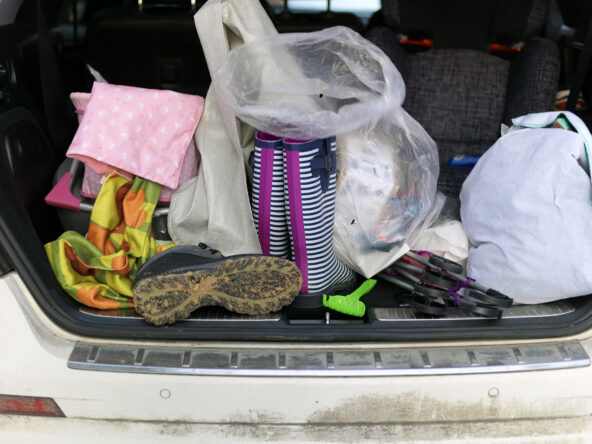
A lot of cars end up carrying things that don’t need to be there. Old bags, tools, sports gear, boxes, bits of shopping that never got taken out. It all adds up, and the car has to carry that weight everywhere it goes. As a rough guide, every extra 45 kg can reduce fuel efficiency by around 1%. That might not sound huge, but it adds up over weeks and months. Keeping your boot clear of anything you don’t actually use regularly is a simple way to stop wasting fuel without changing your routine.
Keep your tyres properly inflated at all times.
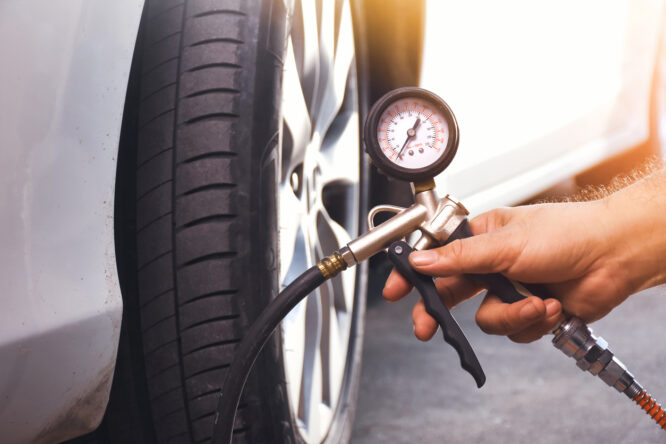
Tyre pressure is one of the biggest overlooked factors in fuel efficiency. When tyres are under-inflated, they create more rolling resistance, which means the engine has to work harder to move the car forward. Even slightly low pressure can increase fuel use by around 3% to 4%. Checking your tyres regularly and keeping them at the recommended level is quick, cheap, and one of the most effective ways to improve efficiency straight away.
Use air conditioning wisely, depending on your speed.
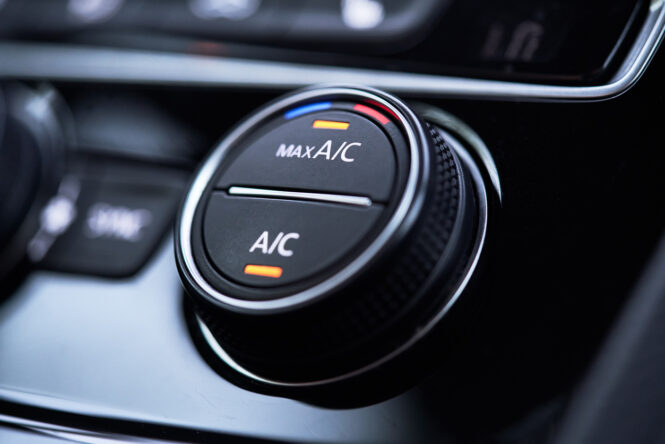
Air conditioning isn’t always the fuel villain people think it is, but how you use it matters. At lower speeds, especially in town driving, it can put extra load on the engine and increase fuel consumption. At higher speeds, though, opening your windows can actually be worse. The extra drag from open windows makes the car less aerodynamic, which costs more fuel on motorways. So the simple rule is: windows down in slow traffic, air con on when you’re moving faster.
Accelerate more gently instead of pushing hard.
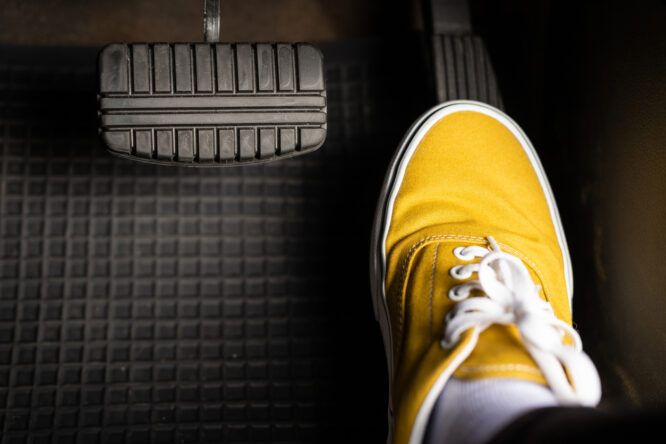
The accelerator is where most fuel gets used. Pressing it hard sends more fuel into the engine, and doing that repeatedly adds up quickly. Smoother, more gradual acceleration uses less fuel and also makes driving feel more controlled. It doesn’t mean crawling along or holding up traffic, just avoiding those sharp bursts of speed that don’t really get you anywhere faster in real terms.
Avoid harsh braking wherever possible.

Every time you brake, you’re effectively wasting energy. The fuel you used to get up to speed is turned into heat and lost when you slow down suddenly. Driving in a way that avoids heavy braking, such as easing off earlier and reading the road ahead, helps you keep more of that energy moving the car forward instead of throwing it away. It also makes journeys feel smoother and less stop-start.
Look further ahead and drive more predictably.
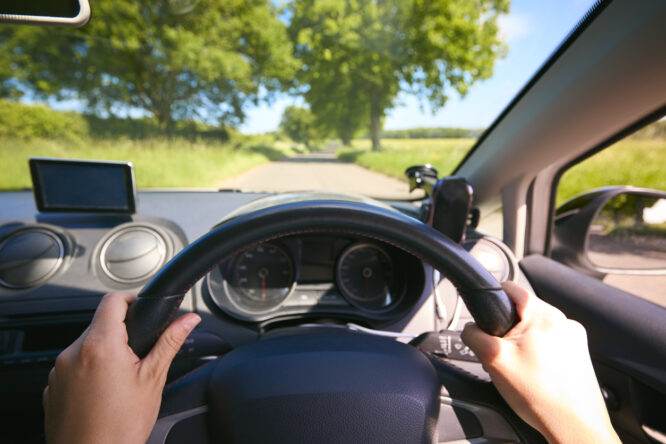
One of the easiest ways to save fuel is simply to think a bit further ahead while driving. Watching traffic flow, anticipating lights, and keeping a steady distance from the car in front all help reduce sudden changes in speed. That means fewer sharp accelerations and fewer heavy braking moments. As time goes on, that kind of driving style can noticeably reduce fuel use without adding any extra effort.
Keep a steady speed whenever you can.
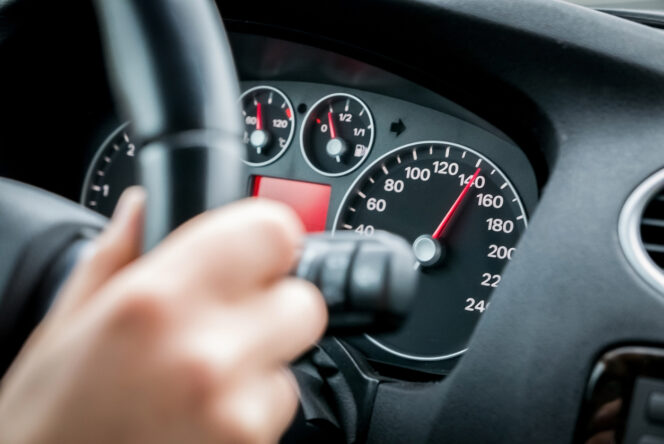
Constantly speeding up and slowing down uses more fuel than maintaining a steady pace. On longer roads or motorways, sticking to a consistent speed helps the engine run more efficiently. Cruise control can help with this if your car has it, but even without it, just being mindful of your speed can make a difference. Smooth driving tends to be more efficient driving.
Combine trips instead of doing lots of short journeys.
Short trips are less efficient because the engine doesn’t have time to warm up properly. That means it uses more fuel for the same distance compared to a longer, steady drive. If possible, combining errands into one journey instead of several smaller ones can reduce overall fuel use. It’s not always practical, but when it is, it’s a simple way to cut costs.
Small changes can add up to real savings over time.

None of these tips on their own will suddenly halve your fuel bill. That’s not how it works. But together, they can make a noticeable difference, especially over weeks and months of regular driving. Studies suggest that improving both how your car is set up and how you drive can reduce fuel costs by anywhere between 10% and 30%, depending on your starting point. That’s a meaningful saving, especially when prices are high.