Introverts get called rude a lot, but most of the time they’re just trying to get through social situations in a way that doesn’t drain them.

For example, they might step back in a busy room or choose a seat on the edge of things so they can settle in, which some people end up taking the wrong way. From the outside it can look cold, but that’s not what’s going on. They’re simply managing their energy in the only way that feels comfortable.
When you take a moment to see it from their side, the whole picture changes. They aren’t avoiding people or trying to send a message. They’re pacing themselves so they don’t hit a wall halfway through the evening. A lot of what gets labelled as rudeness is really just self-preservation. Once you recognise that, their behaviour makes far more sense. Here are some of their most misinterpreted behaviours.
1. Leaving parties early

When an introvert slips out of a party before everyone else, it’s usually because they’ve hit a point where the noise and general buzz have drained them. Even if they were laughing and joining in, it takes effort to stay switched on. Heading home early is their way of recovering before their mood crashes. They’re not judging the event or sending a message. They’re simply recognising their limit and choosing to protect their energy so the night stays a good memory rather than something that wipes them out.
2. Not answering the phone

Unexpected phone calls can feel jarring for an introvert, especially if they were settled into something that didn’t require talking. It’s not about avoiding the person calling. They just need time to shift gears mentally before diving into a conversation. Letting it ring out gives them the space to answer later with clarity instead of forcing themselves into a chat they’re unprepared for. When they do pick up or call back, they’re usually far more present because they’ve had a moment to get their head straight.
3. Staying quiet in group conversations

In a big group, introverts often prefer to watch the flow of conversation before jumping in. They’re taking everything in, noticing the tone, the jokes, and the pace. Speaking just because they “should” feels uncomfortable, so they wait until they actually have something they want to add. People sometimes read this as coldness, but it’s really just a different way of engaging. When they do speak, it’s thoughtful, and they usually bring something the group didn’t realise was missing.
4. Avoiding small talk

Small talk can feel oddly exhausting for introverts because it asks them to use energy without offering much connection in return. They’re not trying to seem aloof. They simply find it easier to bond through conversations that feel real or personal. Give them a topic they care about, and they often open up quickly. Casual chit-chat, on the other hand, feels like hard work for very little reward. It’s a preference, not an attitude problem.
5. Needing alone time after socialising

After spending time with people, they usually need a pocket of calm to settle themselves again. Their brain’s been running at full speed, responding and keeping up with the flow of the room. Taking an hour to themselves helps them reset so they don’t spiral into exhaustion later. It’s not a comment on anyone they were with. It’s simply a way of making sure the rest of their day doesn’t fall apart because they pushed themselves too far.
6. Not sharing personal information readily

Introverts open up slowly, and that’s because sharing personal details feels like a big step to them. They’re protective of their inner world. They want to be sure the person listening is genuine before they say anything vulnerable. It may look guarded from the outside, but it’s actually a sign that they take relationships seriously. Once they feel safe, they usually share plenty, and what they share is honest and considered.
7. Turning down last-minute invitations

A sudden invite can leave an introvert feeling thrown off because they’ve mentally settled into a plan for the day. Saying no doesn’t mean they don’t want to see the person inviting them. They just need time to transition from a calm, private headspace into a social one. When plans are made in advance, they’re often much more enthusiastic because they can prepare in a way that leaves them feeling steady rather than rushed.
8. Zoning out in social situations

When an introvert seems like they’ve drifted for a moment, they’re usually just taking in too much stimulation at once. It’s their brain’s version of tapping the brakes so they don’t get overwhelmed. They’re still part of the conversation; they’re just pacing themselves so they don’t crash mid-event. Once they’ve had a second to regroup, they usually tune back in fully. It’s a coping mechanism, not boredom.
9. Preferring one-on-one hangouts

They tend to connect more easily when they’re with one person, rather than being lost in a crowd. It gives them space to listen properly and relax without feeling like they’re being tugged in several directions. Suggesting a one-to-one catch-up is their way of saying they value the time spent together and want it to feel real instead of chaotic. These meetups tend to be calmer and far more enjoyable for them.
10. Taking a while to respond to messages

If an introvert doesn’t reply the moment a message comes in, it’s usually because they’re thinking through what they want to say. They like their replies to feel genuine instead of rushed. They’re not brushing anyone off. They’re making sure they can give the conversation their full attention when they respond. A slower reply often means they care enough to get it right.
11. Not wanting to chat with neighbours

The quick doorstep chat can feel awkward for introverts, especially when they’re coming home with their mind already full. Home is the place they unwind, so getting caught mid-transition can be hard work. They’re not being rude by heading inside quickly. They just need to land in their own space before they can engage socially again. Once settled, they’re often more open to interaction.
12. Being hesitant to try new things in public

Introverts tend to like a bit of practice before doing something unfamiliar in front of anyone. They don’t want an audience while they figure things out. That doesn’t make them dull or overly cautious; they just want to feel capable before stepping into a public situation where people might be watching. Once they’ve tested the waters privately, they’re usually far more confident joining in with everyone else.
13. Not sharing food or drinks

Sharing food can feel oddly intimate for introverts, especially if they’re already low on energy. Some people need a bit more personal space around the things they eat or drink. It’s not stinginess or a lack of warmth. It’s just a boundary that helps them feel comfortable. They often show care in ways that don’t involve splitting snacks.
14. Wearing headphones in public
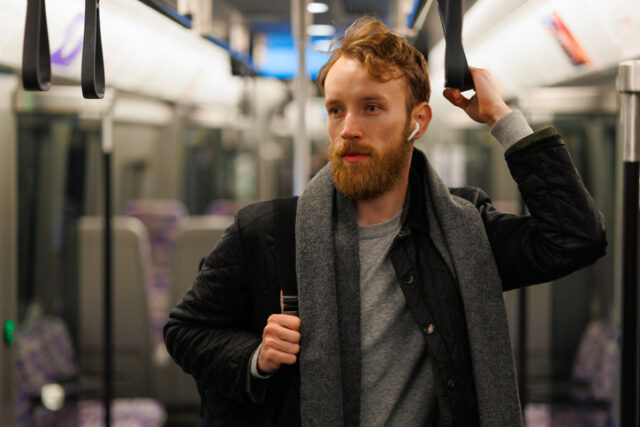
Headphones act as a small protective bubble for introverts in busy places. It softens the noise and the sense of being surrounded. They’re not brushing users off. They’re just creating a little breathing room so the environment feels more manageable. It’s their way of keeping focused while moving through crowded streets or shops.
15. Not making eye contact

Eye contact can feel intense for introverts, especially in conversations that matter to them. They often listen better when they’re not staring directly at the person talking. It helps them take in the words without feeling overloaded. This has nothing to do with interest or honesty. For many introverts, looking away actually helps them stay fully engaged.
16. Taking breaks during long social events

When an introvert slips out of a packed room for a few minutes, they’re just trying to stop themselves from burning out. A short pause gives them space to reset and come back feeling steadier. They’re not avoiding the event or judging the people there. They just know they’ll enjoy things more if they pace themselves instead of forcing constant social energy.
17. Not wanting to rehash their day

After a long stretch at work or school, an introvert may want a bit of silence before talking things through. Their mind is already full, and jumping straight into conversation can feel like too much. Once they’ve had a moment to unwind, they usually share plenty. They just need that small window to decompress so their thoughts don’t feel tangled.