Kids might not always say it out loud, but deep down, they crave certain things from their parents.

You can see it in the questions they ask, the moments they cling a little tighter, and the times they test the boundaries just to check you’re still there. Underneath all of that, they’re simply trying to work out where they stand and whether the people they rely on are really paying attention.
Most parents want to do right by their kids, but it’s easy to get caught up in routines, pressures, and the day-to-day grind. When that happens, the basics, as in the things kids value most, can slip into the background without anyone meaning for it to happen. If you want to feel more connected to your children and better meet their needs, start providing them with these things.
1. Your undivided attention

Put away the phone, turn off the TV, and really listen when your child is talking. Make eye contact, ask questions, and show genuine interest in their thoughts and feelings. It’s easy to get caught up in the hustle and bustle of daily life, but carving out dedicated time for your child to feel heard and valued makes a world of difference.
2. Unconditional love and acceptance

Love them for who they are, not who you want them to be. Accept their quirks, their passions, and even their imperfections. Let them know that your love isn’t conditional on their achievements or behaviour. This kind of unconditional love builds a strong foundation for their self-esteem and emotional well-being.
3. Patience and understanding

Kids are still learning and growing, so mistakes and missteps are inevitable. Instead of getting angry or frustrated, offer patience and understanding. Guide them through challenges, help them learn from their mistakes, and show them that you’re there to support them, no matter what.
4. Encouragement and positive reinforcement

Celebrate their victories, big and small. Cheer them on when they try new things, and offer words of encouragement when they face setbacks. Let them know that you believe in them and their abilities. Positive reinforcement helps build their confidence and resilience.
5. Quality time and shared experiences
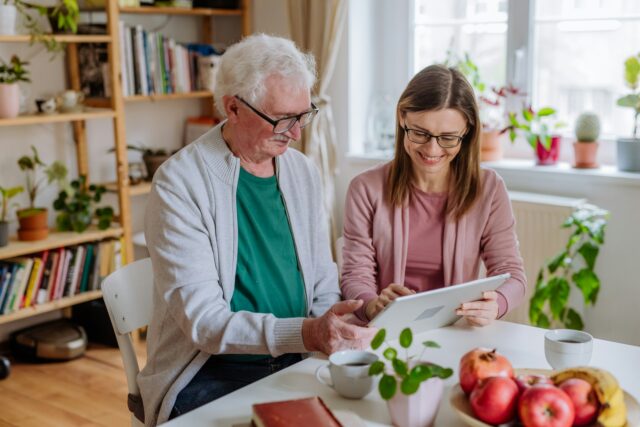
It doesn’t have to be anything fancy or expensive. A walk in the park, a film night at home, or simply playing a game together can create lasting memories and strengthen your bond. What matters most is the focused time spent together, connecting and having fun.
6. Open and honest communication

Create a safe space where your child feels comfortable sharing their thoughts and feelings without fear of judgement or criticism. Encourage open dialogue about their experiences, challenges, and questions. Be honest with them, too, and explain things in an age-appropriate way. Open communication encourages trust and understanding.
7. Clear and consistent boundaries

Children thrive on structure and predictability. Establish clear rules and expectations, and enforce them consistently. This provides a sense of security and helps them understand what’s expected of them. But also be flexible and willing to adjust boundaries as they grow and mature.
8. Support for their interests and passions

Encourage your child to explore their interests, whether it’s sports, music, art, or anything else. Provide them with opportunities to learn and grow in their chosen areas. Attend their games, recitals, or exhibitions. Your support shows them that you value their passions and want to see them succeed.
9. A safe and nurturing home environment

Home should be a haven, a place where your child feels safe, loved, and accepted. Create a warm and welcoming atmosphere where they can relax, be themselves, and recharge. Ensure they have a comfortable space to sleep, study, and play. A nurturing home environment sets the stage for emotional and mental well-being.
10. Opportunities for independence and responsibility

As they grow older, give your child age-appropriate responsibilities and encourage them to make their own choices. Let them help with chores, make decisions about their activities, and learn from their mistakes. This creates a sense of autonomy and self-reliance, preparing them for the challenges of adulthood.
11. A sense of family and belonging

Family traditions, rituals, and shared experiences create a sense of belonging and connection. Regular family meals, game nights, or weekend outings can strengthen your family bond and create lasting memories. Make time for family activities that everyone enjoys, and involve your child in planning them.
12. Respect for their privacy and autonomy

As your child gets older, respect their need for privacy and independence. Knock before entering their room, respect their personal belongings, and avoid prying into their conversations or diaries. Allow them to make their own choices about their appearance, friendships, and activities (within reason). This shows them that you trust and respect them as individuals.
13. Guidance and support through life’s challenges

Life is full of ups and downs, and your child will inevitably face challenges along the way. Be there to offer guidance, support, and a listening ear when they need it. Help them develop coping skills and resilience, and remind them that you’re always in their corner. Knowing they have a loving and supportive parent can make all the difference in their ability to navigate life’s difficulties.
14. Role modelling positive values and behaviours

Children learn by watching the adults in their lives. Be a role model of kindness, compassion, honesty, and respect. Show them how to resolve conflicts peacefully, handle stress effectively, and make healthy choices. Your actions speak louder than words, and your positive example will shape their own values and behaviours.
15. Forgiveness and understanding
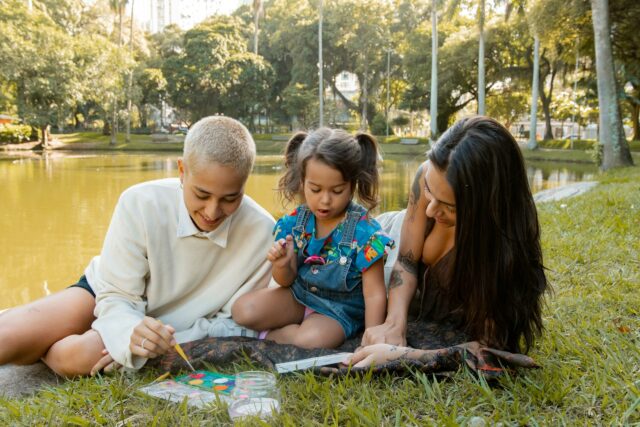
Everyone makes mistakes, including parents. When you mess up, apologise to your child and explain what you learned from the experience. Show them that it’s okay to make mistakes and that what matters most is learning from them and moving forward. This teaches them the importance of forgiveness and grace, both for themselves and other people.