Shoppers could soon see fewer deals on some everyday foods as the government looks at changing the rules on what counts as “less healthy”.

Reports suggest that items many people think of as good choices, such as bran flakes, porridge, fruit juice and some yoghurts, could be caught up in the plans. Supporters say the changes would help tackle obesity, while critics warn they could push up prices at a time when many families are already struggling. Here’s what’s being proposed and what it could mean for your weekly shop.
The newly proposed measures could help fight obesity levels in the UK.

The government already has rules that limit how supermarkets can promote certain foods that are high in fat, sugar, or salt. Whether a food falls into this group depends on a scoring system that looks at its nutrients. The new plans would make that system stricter, meaning more foods could be classed as less healthy.
If a product is moved into this group, shops could be stopped from offering multibuy deals on it, such as three for £5. Reports suggest that could affect foods like breakfast cereals, porridge, fruit juice, tomato ketchup and some yoghurts. Even some organic products and those with no added sugar could be included.
Some healthy-sounding foods would also be affected.

Many foods that seem healthy can still contain quite a lot of sugar or salt. Fruit juice, for example, is high in natural sugars, which is why the NHS advises drinking no more than 150ml a day. Some cereals and flavoured yoghurts also contain more sugar than people expect.
The scoring system looks at the overall balance of nutrients rather than whether a food sounds healthy. That’s why some surprising products could end up on the list. However, critics argue that the rules risk treating everyday staples the same as sweets and crisps.
Prices are likely to go up as a result.
Banning multibuy deals wouldn’t necessarily change the normal shelf price of a product, but it would stop shoppers from getting a discount by buying more than one. For example, if a juice currently sold at three bottles for £5 lost that deal, the same three bottles might cost £6.
Reports suggest some shoppers could end up paying up to 65% more for certain items if deals are removed. The real impact will depend on how supermarkets respond. Some may lower everyday prices instead of offering multibuys.
There’s a good argument for why the changes are necessary.
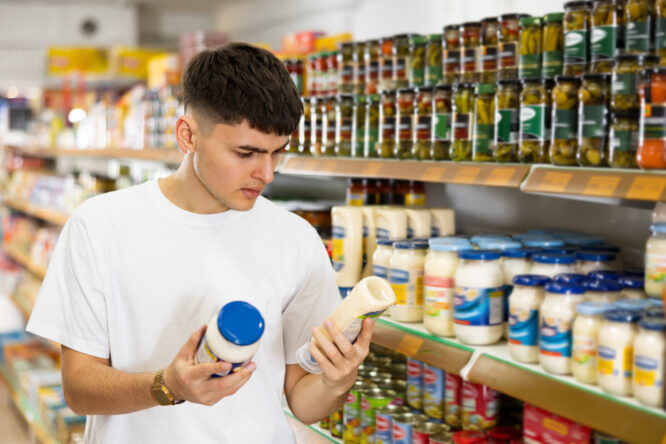
Supporters say multibuy deals encourage people to buy and eat more than they need, especially of foods high in sugar and salt. Obesity is linked to serious health problems, including type 2 diabetes, heart disease and some cancers. Reducing these promotions is seen as one way to help people make healthier choices.
Health campaigners also argue that the current rules don’t go far enough. They believe tightening the system would encourage food companies to cut sugar and salt in their products. Some say that could benefit everyone over time.
There’s also a big case against the intervention.

Critics argue that the plans could raise food costs at a difficult time, with high energy bills and rising prices already putting pressure on families. They say removing deals on foods such as porridge and bran flakes could hit people on tight budgets hardest. Some economists also question whether the changes would make much difference to public health.
Food businesses have raised concerns about the cost of meeting new rules, such as changing recipes and packaging. Some argue that people should be trusted to make their own choices. The debate reflects a wider disagreement about how far the government should go in shaping what people eat.
So, what happens next?
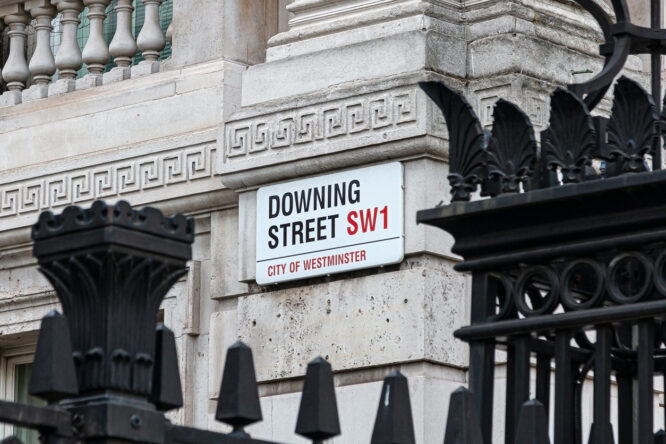
The plans are still being considered, and no final decision has been made. Any changes are likely to be phased in over time to give supermarkets and food companies a chance to prepare. Further details are expected as the government sets out its plans. It’s possible the final rules could look different from early proposals. Food companies may also change recipes to stay outside the stricter limits. Shoppers should keep an eye on updates in the months ahead.
How to keep your food shop affordable

Whatever happens with the new rules, there are simple ways to save money on everyday foods. Supermarket own-brand cereals, oats, and yoghurts are often much cheaper than big brands and can be just as good. Plain porridge oats are one of the cheapest and most filling breakfasts available.
Compare the price per 100g or per litre, shown on shelf labels, to find the best value. Buying larger packs can work out cheaper than multibuys, and frozen fruit is a cheap, healthy alternative to fresh. Choosing plain yoghurt and adding your own fruit can also cut both cost and sugar.