A new tax on vapes has started in the UK, and it could mean you’ll pay more—or perhaps even double—for e-liquids and refills.

Brightly coloured stamps will also start appearing on packets to show which products are legal. The changes are aimed at making vaping less tempting for young people and people who’ve never smoked, while cracking down on illegal vapes sold in some shops. Here’s a simple guide to what’s changed, what it might cost you and what to look out for next time you buy.
There’s a brand-new tax on vaping liquid that many people don’t know about.
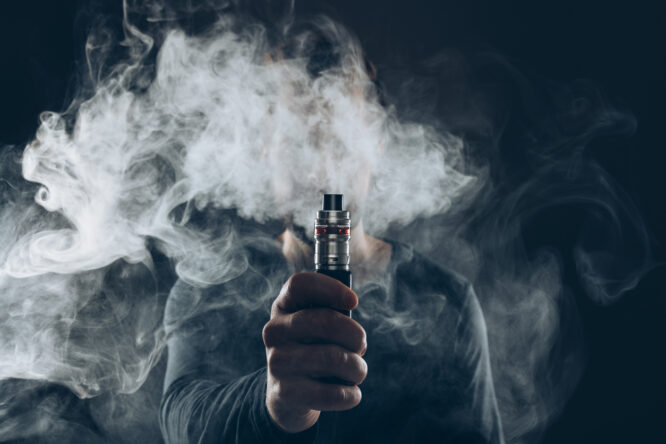
From 1 October 2026, a tax called Vaping Products Duty applies to every vaping liquid made in or brought into the UK. It’s charged at £2.20 for every 10ml, and it doesn’t matter whether the liquid contains nicotine or not. Even nicotine-free flavours are included.
The tax is paid by the companies that make or import vapes, rather than by shoppers at the till. VAT still applies on top, just as before. The government expects the new duty to bring in more than £550 million a year by the start of the next decade.
Will vapes cost you more?

Firms can decide for themselves whether to pass the extra cost on to shops and customers, but many are likely to. If the full amount is added to the price, a 10ml bottle of e-liquid could go up by around £2.64 once VAT is included. Bigger refills would rise by more.
Shops can keep selling older stock that was made before the tax started until 31 March 2027. That means prices might not all change overnight, and you may notice them creeping up gradually over the coming months as older products sell out and new ones arrive on the shelves.
Why the government is doing this
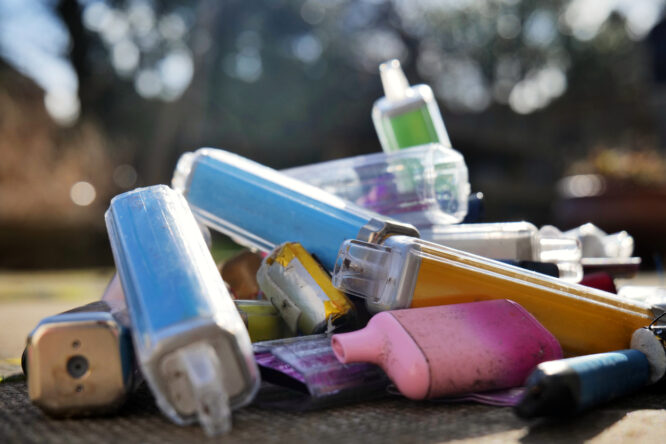
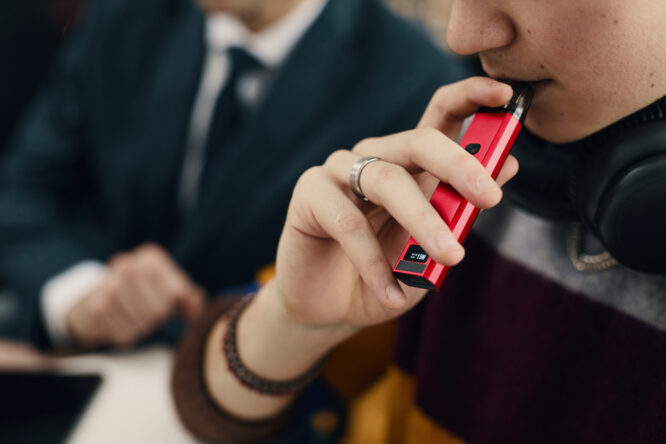
The main goal is to make vaping less affordable and less attractive to children, teenagers, and adults who don’t smoke. Cheap, colourful vapes have become popular with young people, and the government wants to stop them from picking up a nicotine habit in the first place.
Official health advice says vaping is less harmful than smoking and can help adults give up cigarettes. However, anyone who doesn’t already smoke, and especially children, shouldn’t vape at all. The new tax tries to strike a balance between those two messages.
Cigarettes are going up too.

To make sure vaping stays the cheaper choice for smokers who want to quit, tobacco has also been hit with a price rise. On top of the usual yearly increase, there’s an extra one-off charge of £2.20 for every 100 cigarettes or every 50g of rolling tobacco.
The idea is simple: if vapes became more expensive, but cigarettes didn’t, some people might stick with smoking, which is far more harmful. Keeping the gap in price is meant to encourage smokers to keep switching to vaping instead.
Look out for the new stamps.
Vaping products will now carry a small rectangular stamp on the packet, coloured either yellow or red. These are designed so it’s obvious if anyone has tampered with them. They show that the tax has been paid and that the product has come through the legal supply chain.
From 1 April 2027, every vape sold in the UK must have one of these stamps. In time, the stamps will include digital features that you’ll be able to scan with your phone to check whether a product is genuine. Until then, simply checking for the stamp is an easy first step.
There’s a major crackdown happening on illegal vapes.

Illegal vapes have become a big problem in some high streets. They often haven’t gone through safety checks, may contain more nicotine than the law allows and are sometimes sold to children. The new stamps should make them easier to spot and harder for rogue sellers to pass off as the real thing.
The government is spending £30 million each year until 2029 to help Trading Standards, Border Force and the tax office tackle illegal and underage sales of vapes and tobacco. If you think a shop is selling fake or illegal vapes, you can report it to HMRC online.
Rules apply to bringing vapes back from holiday.

New rules also cover how much vaping liquid you can bring into the country. If you’re arriving in England, Scotland, or Wales, you can carry up to 50ml for your own use without paying any tax. If you bring more than that, you’ll need to declare it and pay duty on the whole amount, not just the extra.
Rules are a little different in Northern Ireland. Travellers arriving from outside the EU can include vapes in their £390 allowance for other goods, or £270 if travelling by private plane or boat. Those coming from an EU country can bring vapes for personal use, though anyone carrying more than 200ml may face extra checks. Allowances can’t be combined with someone else’s.
More changes could be on the way.

The government has also been asking for views on other ways to make vapes less appealing to young people. Ideas include plain packaging, limits on fruity or sweet flavour names and keeping vapes out of sight in shops, much as cigarettes are now. Any decisions are likely to be announced in the months ahead.
If you vape, the easiest thing you can do now is buy from shops you trust and check for the yellow or red stamp. If you smoke and are thinking about quitting, your local NHS stop smoking service offers free support, and vaping is still usually much cheaper than buying cigarettes, even with the new tax in place.