You turn the key in the front door, and the entire house erupts.
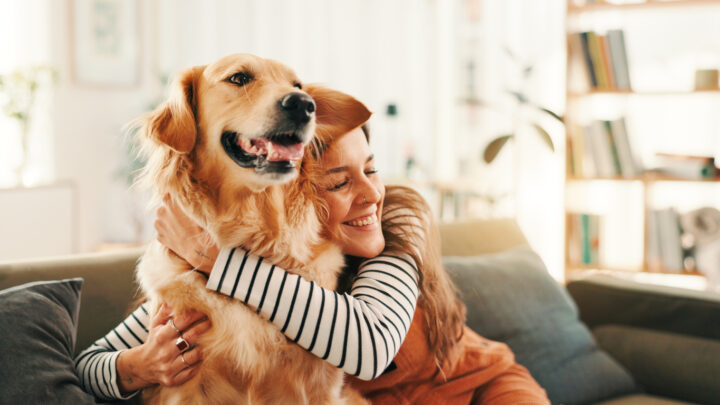
There’s tail drumming against the skirting board, paws scrabbling across the floorboards, and a whole body wriggling with pure, unadulterated delight, as though you’ve just returned from an arctic expedition rather than a ten-minute dash to the corner shop for milk. For anyone who shares their home with a four-legged companion, there isn’t the slightest doubt in your mind about what that frantic greeting means: it’s pure, devoted love.
For decades, behavioural scientists kept their distance from that word, warning owners against humanising ordinary animal instincts and chalking up that greeting to a keen memory for who fills the food bowl. Yet when researchers started running brain scans and measuring hormone levels during those daily reunions, the hard data told a far softer story. Looking at what physically happens inside a dog’s body when their human walks into the room, science is finally catching up with what pet owners have known all along.
Scientists have avoided the word “love” in regards to pets for a very long time.
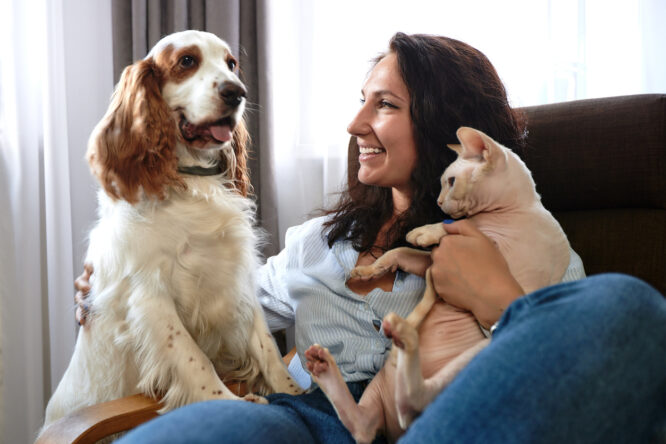
For years, anyone studying animal behaviour was taught to steer clear of human words like love, personality, or optimism. Instead, they’d use stiffer, more careful terms, “temperament” instead of personality, “positive cognitive bias” instead of optimism, mainly to avoid putting human feelings onto animals who can’t actually confirm what’s going on in their heads.
That strict rule has started to relax a bit, though. That’s partly because these human words are just useful for describing what scientists are actually seeing, and partly because there’s good reason to think animals aren’t as different from us as that old thinking assumed. Whatever you want to call it, anyone who’s ever lived with a dog knows they get properly, hopelessly attached to their people.
Proving a dog loves you is trickier than it sounds.
The hard part isn’t whether dogs feel something like love, it’s figuring out how you’d even know. A dog can’t turn round and tell you, so scientists have had to get a bit inventive, looking at behaviours that look like love, and bodily changes that match what happens in humans when we’re truly attached to someone. Put the behaviour and the biology together, and a pretty consistent picture starts to form, one that looks a lot more like real attachment than simple habit or convenience.
Separation anxiety tells us a lot about the bond.
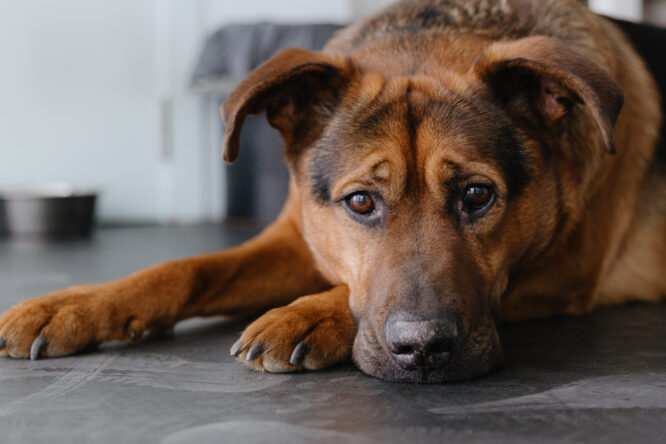
Plenty of dog owners already know about separation anxiety, the distressed, sometimes destructive way a dog behaves when left home alone. Rather than being some random quirk, this is really just an exaggerated version of something called attachment, a word originally used to describe the bond between a mother and her child.
The classic way to test for attachment is simple, watch how someone (or a dog) behaves when separated from someone important to them, then reunited. Real distress during the separation, followed by settling down once they’re back together, is taken as a sign of attachment, and dogs show exactly this pattern with the people they’re closest to, even when it comes out messy and anxious rather than calm.
Dogs seem to notice when we’re upset.
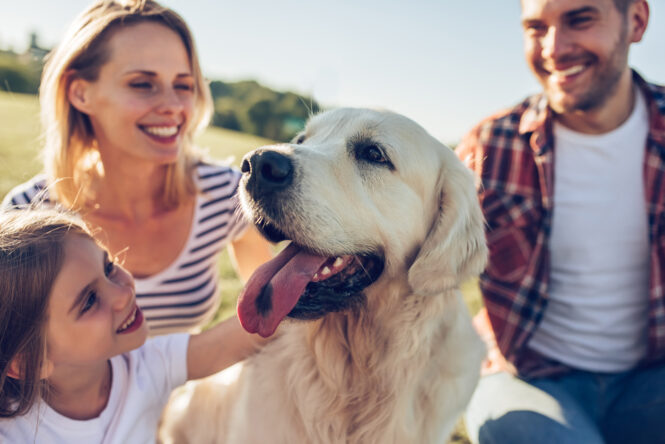
Another area researchers have looked at is how sensitive dogs are to our moods, with lots of dogs moving closer when their owner is crying or visibly upset. On the face of it, that looks like a sign of love and concern. Honestly, we’re not entirely sure why. It’s unclear whether a dog coming over to comfort an upset owner actually means to comfort them, or if they’re simply confused or worried by unfamiliar sounds and changes they can sense but don’t fully understand. Either way, choosing to move closer rather than away says something meaningful about the bond.
Not every loving looking gesture means what it seems.
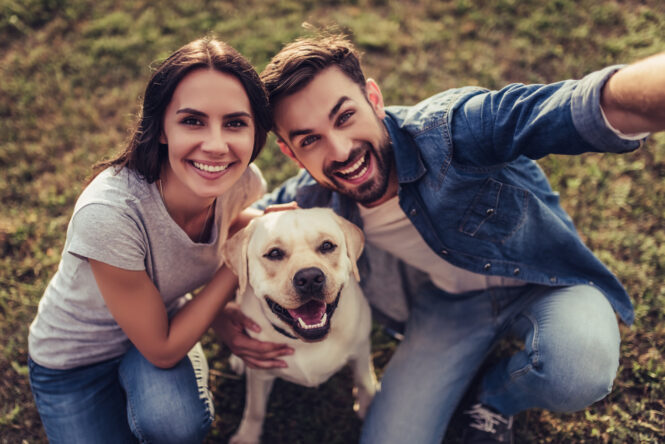
Not every affectionate looking thing a dog does necessarily comes from love. Take the classic greeting “kiss”—it might be just as much a leftover survival habit as a real sign of affection.
Wolves, dogs’ closest wild relatives, greet pack members coming back from a hunt with a very similar kind of kiss. It works partly as a greeting, but it’s also a request for the hunter to bring back up some of what they’ve just eaten. It’s a good reminder that not every dog behaviour that looks warm and fuzzy necessarily started out that way, even if it’s picked up a more affectionate meaning by the time it reaches your living room.
Heart rates shed light on the human/animal bond.
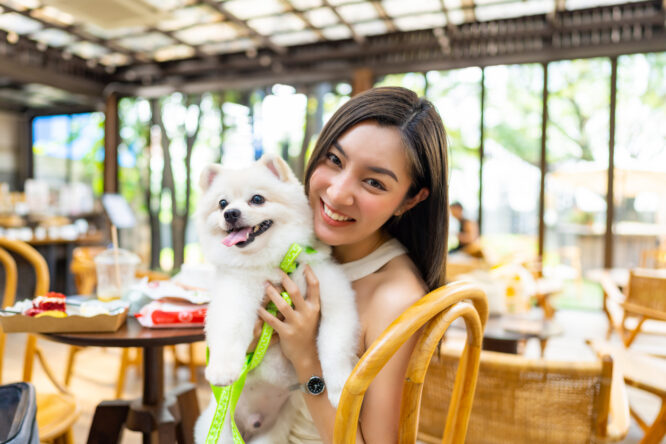
On the physical side, scientists have looked at heart rates, hormones, and brain activity to get a better handle on the bond between dogs and their owners. In one study, closely bonded dogs and owners were fitted with heart rate monitors, briefly separated, then brought back together again.
Once reunited, both the dog’s heart rate and the owner’s dropped, and interestingly, they seemed to drop in sync with each other, almost like two hearts settling back down together. It’s a small detail, but a telling one, suggesting the bond runs a bit deeper than simple routine.
A hormone called oxytocin is at play here too.
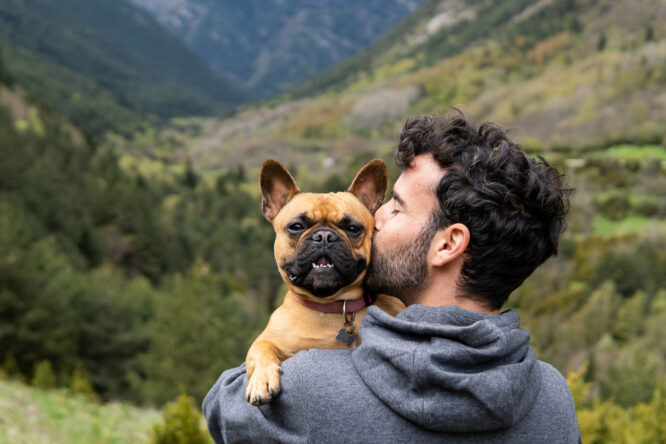
Oxytocin, the hormone often linked to bonding between parents and babies in humans, also seems to play a role in the relationship between dogs and their owners. Simply gazing at each other has been shown to raise oxytocin levels in both dog and person, and the stronger the existing bond, the bigger that rise tends to be.
Even just being near their owner, without doing anything at all, can be enough to nudge a dog’s oxytocin levels up. It’s one of the clearer physical signs that the connection between dogs and their people mirrors, at least in part, the same biology involved in human bonding.
Brain scans show a lot about dogs and reward.

There’s no single spot in the brain that lights up specifically when a human thinks about someone they love, and it’s much the same story in dogs. Even so, brain scans have shown activity in a key reward area both when dogs are shown something they love, like a hot dog, and when they hear their owner’s voice praising them.
It’s not solid proof of love the way we’d define it in humans, but at the very least, it suggests dogs find their owner’s praise rewarding, roughly on par with a bit of processed meat. That said, dogs aren’t daft either, and they quickly learn to connect their owner directly with mealtimes. Far from being manipulative, a dog who behaves nicely for a treat is just making a smart, well learned connection, not cynically working you for snacks.
Whether science ever officially settles on the word love or not, the behaviour and the biology both point the same way, and the bond between dogs and the people they live with clearly runs a lot deeper than simple routine, habit, or being a reliable source of dinner.