Anyone parking at a supermarket like Morrisons, Tesco, Asda or Sainsbury’s could be caught out by a little known rule that risks landing you with a fine alongside your usual shop.
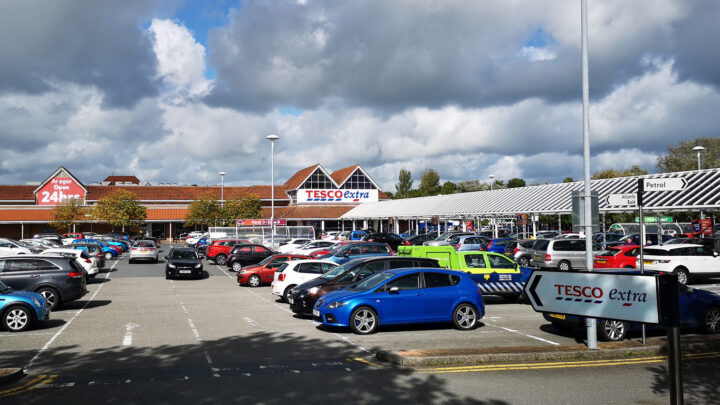
Most supermarket car parks display small signs setting out rules around parking duration and general terms, but few shoppers ever stop to read them properly, especially because many of these car parks are free to use.
One rule catching plenty of drivers off guard involves the dedicated parent and child parking bays found in nearly every supermarket car park. Once known simply as mother and child spaces, these bays have since been rebranded to reflect a more inclusive approach, with Morrisons referring to theirs as parent and toddler parking specifically.
There’s a specific age limit most drivers don’t know about.

What a lot of shoppers don’t realise is that these parent and child bays actually come with a defined age cutoff. Once a child passes the age of 12, parents are technically no longer permitted to use these spaces, even if they’re simply popping in quickly with a young teenager still in the car.
According to motoring experts, the age of 12 has been chosen deliberately, since that’s the age up to which children are legally required to use a proper child restraint or car seat when travelling. These parking bays are positioned closer to the store entrance specifically to reduce the distance parents need to walk with young children across a potentially busy car park.
Why the rule exists and how it’s actually meant to apply

According to guidance from motoring specialists, the rule is fairly straightforward once explained properly: you’re entitled to use a parent and child space if you’re entering the store with a child under the age of 12. The confusion tends to arise simply because these limits are rarely spelled out clearly on the signage itself, often reduced to a small icon of an adult and child with no actual age printed anywhere nearby.
The rule specifically applies to situations where a parent is actually taking the child into the shop with them. If you’re heading in alone and leaving a child in the car with another adult instead, you’re expected to use a standard parking space rather than the dedicated parent and child bay, regardless of the child’s age. The same generally applies if you’re shopping without any children at all that day, even if you’d normally qualify for the space on a different visit.
Why these spaces exist in the first place

The reasoning behind parent and child bays goes beyond simple convenience. Loading and unloading children, particularly toddlers who need to be carried, strapped into a trolley seat, or walked carefully across a car park, takes considerably longer than a standard shopping trip, and it’s riskier too, especially given how much moving traffic supermarket car parks tend to have at busy times.
Positioning these bays close to the store entrance reduces the distance parents need to navigate with a young child in tow, cutting down the amount of time spent crossing lanes where cars are reversing, turning or looking for a space themselves. The wider bays also tend to give parents more room to open car doors fully, get a pushchair out, or manage a car seat without needing to squeeze into a tight gap between two other vehicles.
What could happen if you’re caught using the wrong space

Getting caught parking in one of these bays without meeting the age requirement can result in a Parking Charge Notice, since many supermarket car parks are actually managed by third-party companies rather than the supermarkets themselves. Some of these operators use camera enforcement to monitor compliance, meaning it’s entirely possible to receive a fine through the post without any warning at the time.
Ignoring a Parking Charge Notice altogether isn’t a safe option either, since failing to pay could eventually escalate into debt recovery action or even court proceedings in more persistent cases. Because it’s easy to overlook a small age limit sign while juggling a shopping trip with children in tow, you’ll want to double-check the rules at your regular supermarket before assuming a parent and child space is fair game regardless of your child’s age.
Other supermarket car park rules to be aware of

Parent and child bays aren’t the only source of confusion in supermarket car parks either. Many sites also enforce maximum stay limits, commonly around two or three hours, even when parking itself is free, and overstaying can trigger a fine in exactly the same way as misusing a designated bay.
Disabled parking bays carry their own strict requirements too, generally requiring a valid Blue Badge to be clearly displayed on the dashboard, and enforcement here tends to be just as rigorous because of how heavily monitored these spaces often are. With so many supermarkets now relying on private companies and camera systems to manage their car parks, it’s a good idea to take a moment to actually read the signage on arrival, rather than assuming the usual informal rules apply everywhere.