If you’ve ever reached for an antihistamine to calm down an eczema flare, you’re definitely not alone.
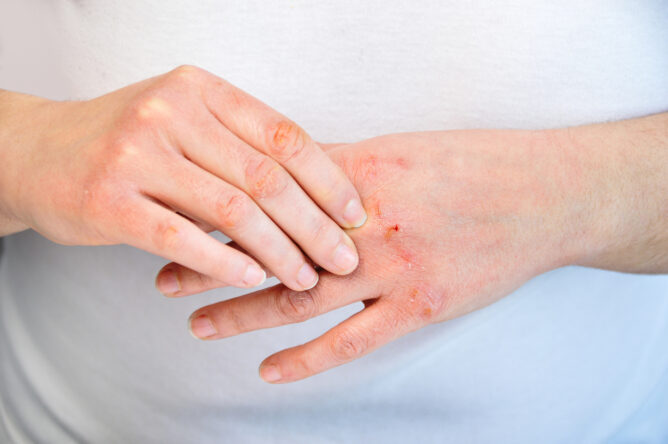
It seems like the obvious thing to try when your skin’s driving you mad with itching. But a big new review out of McMaster University suggests these tablets might not actually be doing much for your eczema at all, and some of the older ones could even come with a downside you didn’t sign up for.
Why do so many people reach for antihistamines to treat eczema?
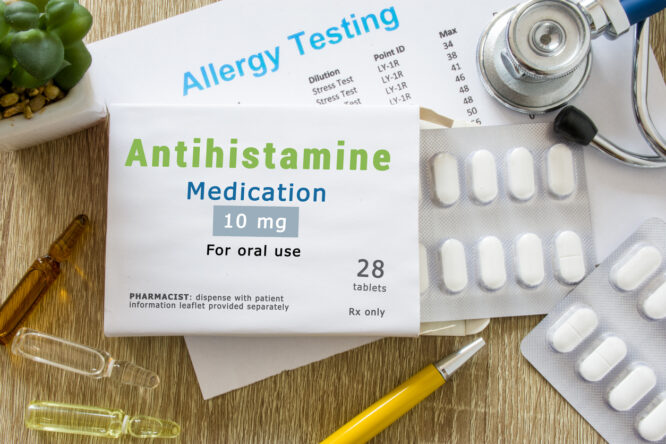
Antihistamines are everywhere. You can pick most of them up without a prescription, and loads of households keep a box in the cupboard for exactly this reason. People take them hoping to calm the itching and get a decent night’s sleep when eczema flares up, especially since disturbed sleep tends to be one of the most frustrating parts of a bad flare.
The trouble is, doctors haven’t always agreed on whether they’re actually worth taking for eczema because the evidence has been pretty shaky. Some guidelines have recommended them, others haven’t, which understandably leaves plenty of people confused about whether they should even bother. So, researchers decided to properly dig into it, pulling together 47 separate trials covering over 6,000 children and adults with eczema ranging from mild to severe. It’s the most thorough look at this question so far, and the results were published in the BMJ.
The verdict wasn’t great for either type of antihistamine.

The researchers split the tablets into two camps: newer ones and the older, classic versions. The newer antihistamines, things you’ll recognise from the pharmacy shelf, only made a tiny difference to how itchy or severe eczema felt. Not the kind of improvement that would actually feel meaningful to someone dealing with a flare day to day.
The older style antihistamines came out even worse. They didn’t improve eczema symptoms in any noticeable way at all, despite being some of the most commonly reached for options in medicine cabinets. On top of that, these older tablets seem to come with a real downside: drowsiness, confusion, slower thinking, and worse performance at school or work. Some evidence even suggests these effects can hang around for days after taking them, not just while you’re drowsy in the moment, which is a much bigger cost than most people probably realise when they’re just trying to stop scratching.
Not every antihistamine affects your brain the same way.

The good news, if there is one, is that the newer generation of antihistamines caused far fewer of these mental side effects than the older ones. Some specific ones stood out as being especially unlikely to make you drowsy or foggy headed, which matters a lot if you’re taking something during the day and still need to function normally at work or school.
So if you are going to reach for something, the newer tablets are clearly the safer bet, even if the actual benefit for your eczema itself is pretty modest. It’s the kind of trade-off you should know about before automatically grabbing whatever’s cheapest or most familiar off the shelf.
Doctors are now suggesting a rethink.

According to the study’s senior author, eczema treatment has increasingly moved toward controlling inflammation directly, using moisturisers, anti-inflammatory creams, and stronger whole-body treatments for people with more severe cases. Given that change, it’s important to know whether antihistamines are actually pulling their weight, or just adding extra hassle and risk without much reward.
The researchers are essentially suggesting people move away from grabbing antihistamines as a default eczema fix, and instead focus on treatments that have been shown to work better and come with less risk. The idea is to keep eczema care as simple as possible, rather than piling on extra tablets that aren’t doing much good, especially when a proper moisturising routine or a targeted anti-inflammatory cream could be doing far more heavy lifting for the same effort.
Antihistamines still have their place, just maybe not for eczema.
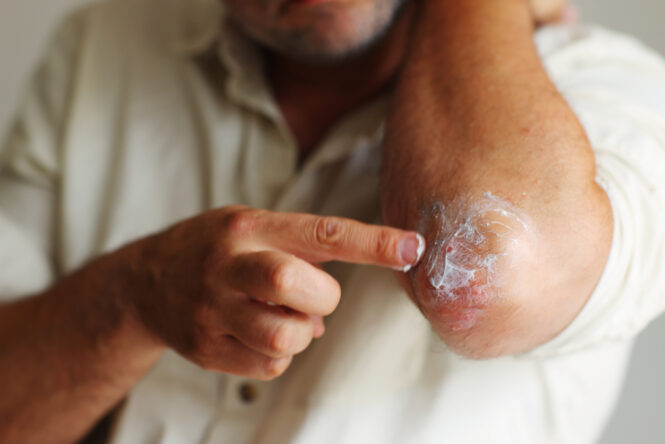
It’s important to be clear that this isn’t a blanket case against antihistamines altogether. They’re still useful for things like hay fever, seasonal allergies and hives, where the evidence for them working is much stronger and the mechanism behind the itching is a bit different.
Eczema, though, seems to be a different story. The itching in eczema is driven more by inflammation in the skin itself rather than the same histamine response you’d get from a classic allergic reaction, which may help explain why antihistamines don’t do much good here even though it seems like they should on paper. If you’re currently relying on antihistamines to get through a flare, it might be a good idea to have a chat with your doctor or pharmacist about whether there’s something more effective you could be doing instead, particularly if you’re taking one of the older, more sedating versions without realising the trade-off.