
You might not have spotted it in the supermarket aisle, but plenty of your go-to biscuits, crisps, and sweet treats taste slightly different to how they did a few years back.
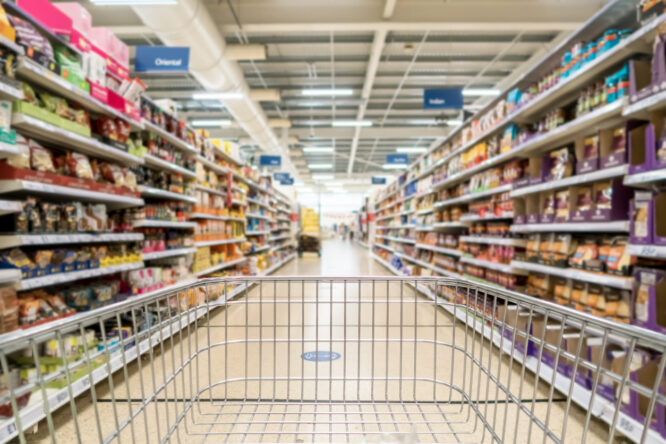
Food manufacturers have spent years tinkering behind the scenes, pulling out sugar and trimming down salt to dodge regulatory levies and avoid strict advertising bans. While some brands managed subtle recipe tweaks, others ended up with a noticeably different flavour altogether.
Another round of changes could be heading for your cupboards soon. Government officials are currently reviewing the scoring system used to brand products as high in fat, salt, or sugar, potentially lowering the bar on what gets classified as unhealthy. If those rules tighten, major brands will have to rework their ingredient lists all over again to keep their spots on prime display shelves. This is why the standards are under review, and what it could mean for your favourite weekly snacks.
Many recipes have already changed.
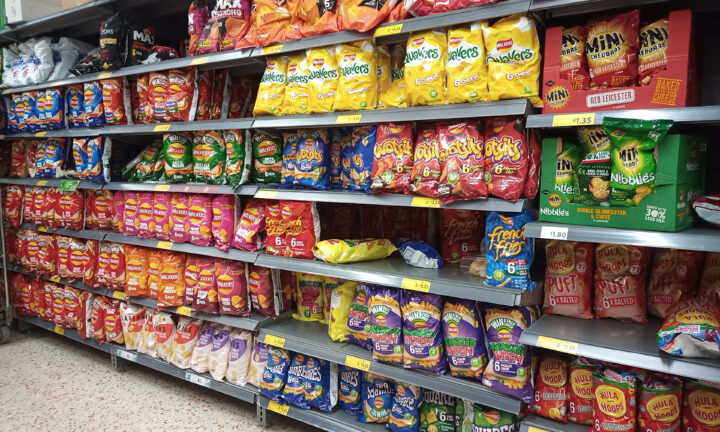
Several of the UK’s most recognisable food products have had their recipes reformulated in order to avoid strict rules governing foods high in fat, sugar and salt, commonly referred to as HFSS. Under current rules, HFSS products can’t be advertised directly to children, can’t be positioned in high traffic areas of a shop like aisle ends or checkouts, and can’t appear in paid online advertising or on TV before 9pm.
As a result, several major crisp and snack brands have had their recipes altered to reduce salt and fat content, while some popular soft drinks have had their sugar levels lowered. Certain crackers and biscuits are also believed to have undergone similar reformulation. Getting these changes right has taken years of work and significant investment, as food scientists worked to preserve the familiar taste and texture of well-loved products while making them technically healthier under the rules.
More changes could be on the way.

Despite all that effort, further reformulation could be needed soon, since the government is currently reviewing the nutrient profiling model, the system used in England to classify food and drink as either healthier or less healthy.
This classification system determines which products count as high in fat, salt or sugar, and if the model itself changes, a fresh wave of products could suddenly find themselves reclassified, regardless of any reformulation work already done.
What is the nutrient profiling model?

England currently uses a version of the nutrient profiling model dating back to 2004/05, though an updated version was actually created back in 2018. This newer version is designed to reflect more current dietary guidance, and uses different thresholds specifically around fibre and free sugar content compared to the older model.
If this 2018 version were applied to existing HFSS legislation, some products that have already been reformulated once to meet current rules could find themselves classified as less healthy all over again, this time due to sugar content specifically, potentially requiring yet another round of reformulation.
Just how many products could be affected?
According to the Food and Drink Federation, as many as 80 per cent of already reformulated products could fail to meet the proposed new classification model. That’s a striking figure, given how much work has already gone into getting these products compliant under the current rules.
The government has said it expects switching to the newer model to help reduce how much less healthy food people buy overall, which it believes would help lower rates of obesity, along with obesity related illness and death, over time. Officials estimate the combined health and economic benefit of this change could reach roughly £36.93 billion over 25 years.
Health campaigners and food manufacturers see this very differently.
Given those projected benefits, it’s perhaps unsurprising that health campaigners are broadly supportive of the proposed change. Food manufacturers, on the other hand, appear considerably less enthusiastic, largely because there’s no simple or inexpensive fix available to them. Reformulating a recipe isn’t as straightforward as just removing some sugar and moving on.
According to the managing director of a scientific lab where many British food recipes are developed and reformulated, sugar does far more than simply add sweetness. It also contributes to a product’s texture, bulk, and shelf life. Sweeteners can replicate sweetness, but not these other properties, meaning manufacturers often need to introduce additional bulking agents or other functional ingredients instead. This tends to increase the overall complexity of processing, and can potentially clash with growing consumer demand for simpler, more recognisable ingredient lists.
A previous attempt at cutting sugar didn’t go well for one major brand.
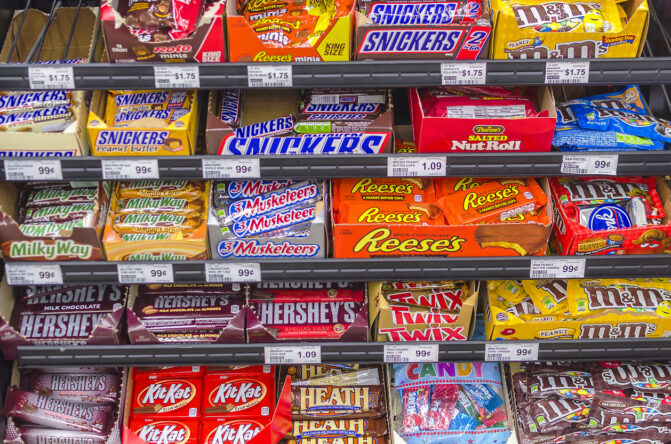
History suggests removing sugar from a beloved product doesn’t always go smoothly. Back in 2019, one major chocolate brand launched a version of its classic bar containing 30% less sugar across the UK and Ireland. At the time, the company described it as one of the most significant innovations in the brand’s history, hoping it might eventually become a popular “lighter” alternative to the original.
That hope didn’t pan out. Consumers largely preferred the taste of the original version, and the reduced sugar bar was eventually pulled from supermarket shelves and discontinued in October 2023. A spokesperson for the brand’s parent company said that despite investing heavily over three years to develop a product consumers said tasted good, and backing it with a nationwide marketing campaign, demand ultimately dropped, and the difficult decision was made to delist the product. The company added that while some customers would likely be disappointed by the news, it remained committed to continuing to invest in and develop more health conscious product options going forward.
What this could mean for your favourite snacks going forward

Right now, there’s still a fair amount of uncertainty around exactly what happens next. It isn’t yet clear whether, or precisely when, the updated 2018 nutrient model will actually be applied to existing HFSS legislation, or what the financial impact on food businesses would ultimately look like if it is.
Earlier this year, the government launched a public consultation specifically asking whether the 2018 model should be applied to current restrictions around advertising and promoting less healthy food and drink. That consultation closed in June 2026, but no formal government response has been published yet.
Until a decision is confirmed, it remains unclear exactly which products might need reformulating again, or how soon shoppers might notice yet another quiet change to the taste of their favourite snacks.

_003.jpg)