Buying a home in the UK already drags on for around seven months on average, and that’s when everything goes smoothly.

Between waiting on slow solicitors, chasing local searches, and sitting in property chains that feel like they’re never going to move, the whole thing tests your patience from start to finish. The last thing you need on top of that is a spanner in the works with your mortgage, which can easily tack on extra weeks or collapse the entire deal.
Lenders are notoriously picky, and it’s not just a patchy credit score that puts the brakes on an approval. Everything from quirky building materials to obscure lease terms can spook an underwriter and send your paperwork straight to the bottom of the pile. Knowing where banks draw the line gives you a fighting chance of sidestepping the common traps before they turn your purchase into a total headache.
A down valuation can throw off your whole purchase.
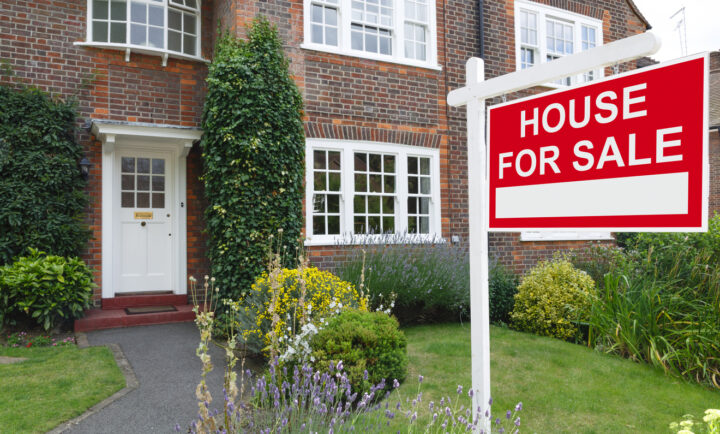
When you apply for a mortgage, your lender arranges a valuation to confirm the property is actually worth what you’ve agreed to pay. A down valuation happens when the lender believes the agreed price is higher than the property’s actual market value, which can mean they won’t lend the full amount requested, since they might not recover that sum if the property ever had to be repossessed and sold on.
If this happens, you can appeal by providing evidence to support the original price, usually recent sale prices for similar homes nearby, ideally comparable in size, condition and location, and sold within the last six months.
Leasehold properties come with their own set of hurdles.

Two things matter most with a leasehold property: the ground rent and how many years remain on the lease. Lenders are generally unwilling to lend on a property with a lease nearing its end, and most set a minimum threshold somewhere between 50 and 90 years remaining, though the exact limit varies by lender and can depend on how much deposit or equity you have.
A ground rent clause that could escalate substantially over time is another potential dealbreaker, since this can affect how easily the property could be resold in future. Some lenders explicitly state that properties with excessive or unreasonably escalating ground rent clauses simply aren’t acceptable as security for a loan.
Tall blocks of flats can limit your lender options.

Some lenders, particularly smaller ones, place limits on how many storeys they’re willing to lend on within a block of flats, and taller buildings often need to have lift access too. These restrictions tend to be stricter for blocks that were originally owned by a local council, with some major lenders refusing to lend on former local authority flats above five storeys, while otherwise applying more flexibility to taller buildings with lift access, depending on the valuer’s assessment.
Spray foam insulation can complicate a survey.

Spray foam insulation in a loft can catch buyers off guard, since some lenders will decline to lend on properties where it’s present, or require extra checks before proceeding. This is largely because spray foam makes it harder for a surveyor to properly inspect the roof timbers underneath, potentially hiding problems like damp or rot. Many lenders will still consider these properties, but expect the application to be assessed case by case, with the final decision resting heavily on the valuer’s findings.
Cladding issues need to be flagged early.

If a property has any ongoing fire safety concerns or issues with its external wall system, it’s important to establish this clearly before applying. Lenders generally try to remain flexible, but they’ll often need to factor in potential remediation costs, or see confirmation that any necessary work will be covered by the property’s developer. Understanding exactly where things stand early on makes it much easier to have a productive conversation with a lender and know what paperwork you’ll need to provide.
Flood risk can rule a property out entirely.

Lenders use mapping technology to identify properties that are vulnerable to flooding, and if a home falls into a high risk area, a lender may decline to offer a mortgage on it altogether. It’s important to check your own property’s flood risk in advance using the relevant government resource for where you live, whether that’s in England, Scotland, Wales or Northern Ireland, so there are no surprises partway through the process.
Flats above commercial premises can narrow your options.

Lenders tend to be more cautious about flats situated above shops or commercial units, particularly above takeaways, largely because these properties often appeal to a smaller pool of buyers. Some lenders will still consider them, weighing up factors like noise, smell, anti-social opening hours and fire risk alongside local demand and the property’s overall location. If your property falls into this category, it should be flagged early, since a broker familiar with the wider market may be able to point you toward lenders who take a more flexible approach to this kind of property.
A flying freehold doesn’t have to be a dealbreaker.

A flying freehold occurs where part of a property extends over a neighbouring one, such as a room built above a shared passageway. This doesn’t automatically mean your application will be rejected, but lenders typically set limits on how much of a property can be affected before they’ll consider lending. Some require the flying freehold to make up a relatively small percentage of the property, while others ask for a written agreement confirming that maintenance, repair, and insurance responsibilities are shared fairly among everyone affected.
Unusual construction methods can raise questions.

Any property built using non-standard construction methods can create complications during a mortgage application, often because certain construction types are known to develop specific issues over time. Pre-cast concrete, for example, can deteriorate and eventually require significant remedial work. It’s still often possible to secure a mortgage on these properties, but raising any concerns early, and checking whether approved repair work has already taken place, will help set realistic expectations and identify which lenders are more likely to consider the application favourably.
Japanese knotweed is taken seriously, but isn’t an automatic rejection.

Finding Japanese knotweed on or near a property can understandably put lenders off, since it’s an invasive plant capable of causing damage if left untreated. That said, its presence no longer results in an automatic decline the way it once might have. Many lenders will now consider an application where a proper treatment plan is already underway, provided the work is being carried out by a recognised specialist and backed by an insurance guarantee.
Subsidence risk often means extra checks, not automatic refusal.

Properties built in former mining areas can prompt lenders to request further checks before proceeding, given the increased risk of subsidence in these locations. Lenders typically assess these applications on their individual merits, and may ask for specialist reports covering geological factors, including any history of mining activity, before making a final decision.
Very small properties can limit your lender choice.

This one affects a relatively small number of buyers, but some lenders set a minimum floor space requirement they simply won’t lend below. If you’re purchasing a particularly compact studio flat, you may find your choice of available lenders is noticeably smaller than it would be for a larger property, so check this early if you’re considering a very small home.
It’s not just about the property, your personal circumstances matter too.

Beyond issues with the property itself, several personal factors can also affect whether a lender approves your application. Current affordability is one of the biggest, since lenders need confidence you can comfortably manage the monthly repayments. Cutting back on discretionary spending in the months before applying, and cancelling any unused subscriptions or memberships, can help strengthen your affordability profile.
Your credit score plays a major role too, reflecting your borrowing history, existing debts, whether you’re registered on the electoral roll, and even how long you’ve lived at your current address. If your score isn’t quite where it needs to be, take time to improve it before reapplying rather than pushing ahead regardless.
Lenders also look beyond your current financial situation, stress testing your finances against the possibility of future interest rate rises to make sure repayments would still be manageable if rates increased. Finally, a recent change of job can work against you too, since many lenders prefer applicants to have been with their current employer for at least six months, as a sign of income stability. Where possible, consider delaying a job change until after securing your mortgage, or waiting until you’ve settled into a new role before applying.
What to do if your mortgage application gets rejected.

A rejected mortgage application is frustrating, especially after working through all the necessary paperwork. The most important next step is understanding exactly why the application was declined, so you can properly address the issue before trying again.
Resist the temptation to reapply immediately. If the underlying problem hasn’t actually been resolved, you risk being rejected a second time, which can damage your credit score further and make future applications even harder. Checking your credit report for anything that may have influenced the lender’s decision is a sensible first step, and you may need to spend some time improving your credit position before submitting a fresh application.