The microwave is an absolute lifesaver on busy weeknights, turning yesterday’s leftovers into a hot meal in a matter of minutes.
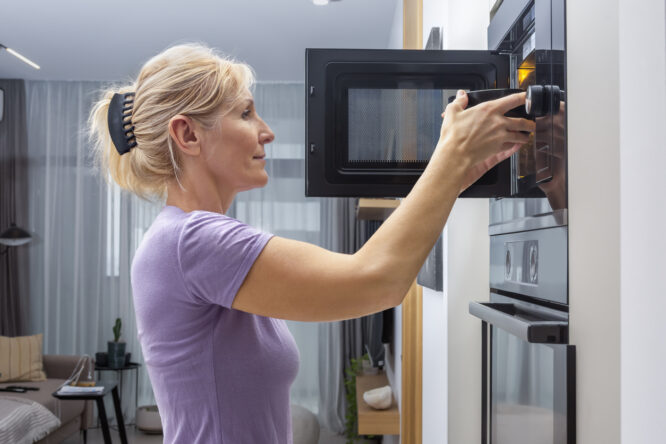
While it’s handy for warming up a mug of soup or a bowl of pasta, tossing just anything onto the turntable can quickly backfire, resulting in rubbery textures, explosive messes, or even a nasty bout of food poisoning.
Certain ingredients simply don’t react well to rapid, uneven heating, whether they turn toxic, lose their nutritional value, or harbour harmful bacteria that standard reheating fails to kill. If you want to keep your meals safe and avoid ruining your dinner, here are seven everyday foods you should never put back in the microwave, along with the best ways to warm them up instead.
Is it actually safe to reheat food in the microwave at all?
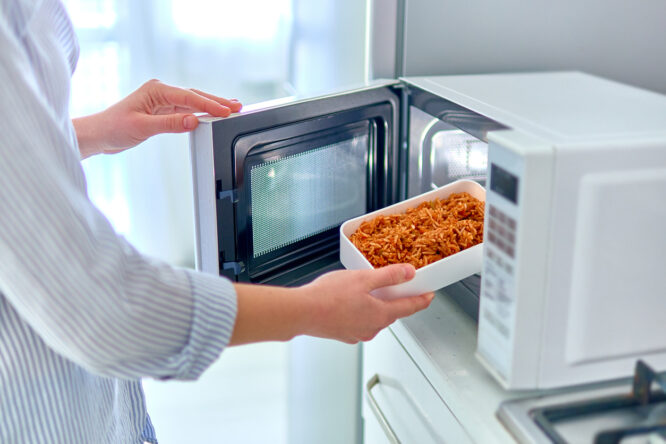
Generally, yes, as long as the food was stored correctly beforehand, hasn’t already been reheated once, and comes out steaming hot all the way through. According to food safety experts, most food can be microwaved without issue, though the texture and overall quality of certain dishes will suffer.
A few simple habits make a big difference here. Always use a container labelled microwave safe, stir your food halfway through to get rid of cold spots, and check it’s piping hot throughout before eating, ideally reaching at least 75 °C for 30 seconds if you have a food thermometer. Leftovers should only ever be reheated once, since repeatedly heating and cooling food gives bacteria more opportunities to grow.
Hard-boiled eggs can actually explode in the microwave.
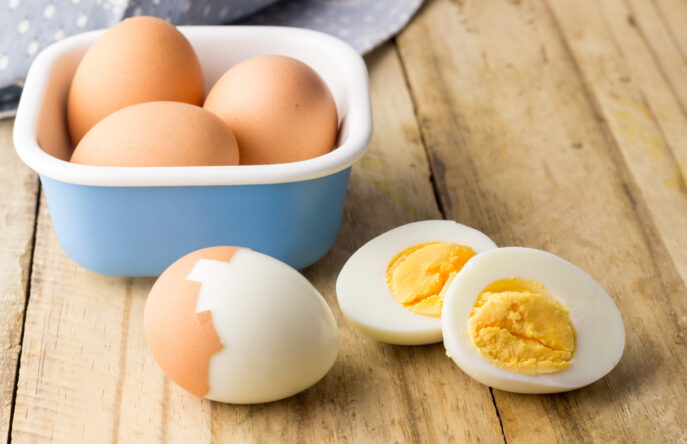
This one isn’t just about texture. Reheating a hard-boiled egg in the microwave causes steam to build up rapidly inside the shell, and that pressure has nowhere to go. The result can be an egg that bursts either during cooking or shortly after, leaving you with a mess inside the microwave and a real risk of burns to your hands or mouth.
Instead, place your eggs in a bowl of freshly boiled water and let them sit covered for a few minutes until warmed through. Or, better yet, simply enjoy them cold, they hold up perfectly well either way.
Pastry dishes and pizza both turn soggy under microwave heat.
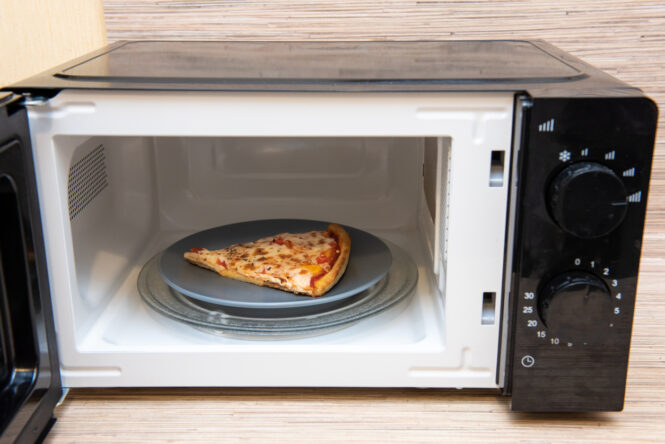
Anything with a pastry topping, like a pie, tends to come out of the microwave soft and limp rather than crisp and golden. That’s because the rapid heat creates steam that gets trapped against the pastry, softening exactly the texture you’re trying to preserve. An oven or air fryer will bring back that flaky finish far better.
Leftover pizza runs into a similar problem. Microwaving tends to leave the base soggy, the crust chewy and the cheese rubbery rather than melted. An oven does a much better job, and covering the slices loosely with foil helps stop them drying out. An air fryer works well too, and can restore a crisp crust in just a few minutes, though you may need to cut larger slices down to fit the basket.
Steak and chips lose their texture fast in the microwave.
Thicker cuts of meat like steak don’t fare well either. The intense, uneven heat of a microwave can leave the edges overcooked and tough while the centre stays cold, and the overall result is often dry and rubbery rather than tender. A gentler approach works better: warm the steak slowly in the oven until it reaches around 45 °C internally, then finish it with a quick sear on both sides in a hot pan.
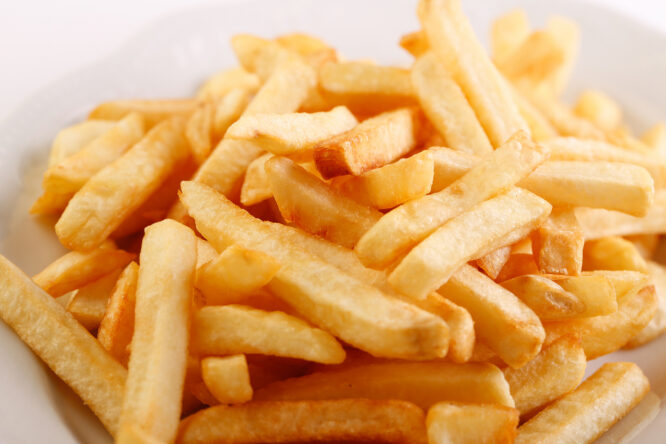
Chips suffer for a similar reason. The steam generated inside a microwave leaves them soft and limp instead of crisp. An oven or air fryer will get you back to something closer to freshly cooked, and an air fryer in particular tends to use less energy for smaller portions.
Homemade frozen meals need defrosting first.
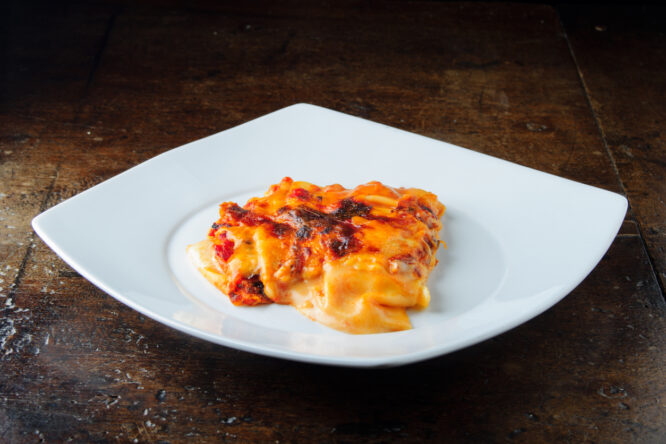
Batch cooking and freezing meals like lasagna, or cottage pie is a great way to save time and money, but reheating them straight from frozen in the microwave can be risky. Large, dense portions, especially layered dishes containing dairy or minced meat, often heat unevenly, leaving some parts piping hot while others stay cold.
The safer approach is to defrost these meals thoroughly in the fridge before reheating. Avoid thawing anything at room temperature, since that gives bacteria the perfect conditions to multiply.
Never reheat food more than once.
Regardless of what you’re eating, reheating leftovers a second or third time significantly raises the risk of food poisoning. Each cycle of cooling and reheating gives any surviving bacteria another chance to grow, and the texture of the food degrades a little further each time too, often turning tough, dry or chewy.
The safest approach is to eat leftovers within two days of cooking them. If you know you won’t get through everything in time, freeze the extra portion instead, as long as it hasn’t already been reheated once.
Rice needs extra care, whether homemade or from a takeaway.
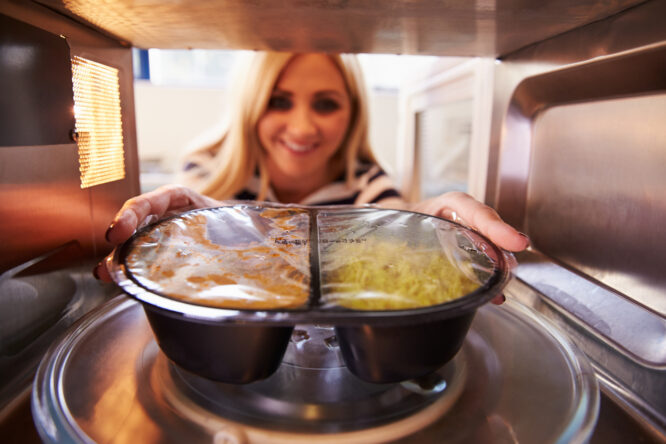
Rice comes with its own particular risk. Raw rice can contain bacterial spores that survive cooking, and if cooked rice is left sitting out at room temperature, those spores can start multiplying and producing toxins that won’t be destroyed by reheating, no matter how hot it gets.
If you’ve made more rice than you need, cool it down as quickly as possible, ideally within an hour, then store it in the fridge and use it within 24 hours. When reheating, make sure it’s steaming hot with no cold spots anywhere. The same caution applies to takeaway rice too, since some restaurants pre-cook and reheat rice before it even reaches you, meaning it should never be reheated again at home.
Chicken can be reheated safely, but only if you do it properly.
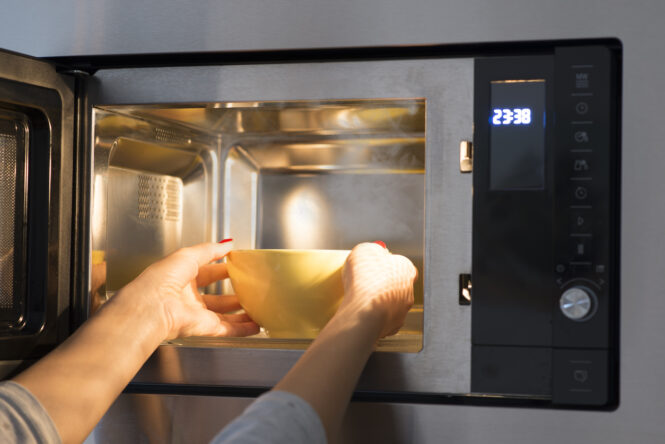
Chicken is fine to reheat in the microwave, provided you stick to the rules. It needs to reach 75 °C for at least 30 seconds to destroy harmful bacteria like salmonella. Without a thermometer, cut into the thickest part with a clean knife to check it’s steaming hot all the way through, and cutting the meat into smaller pieces beforehand helps it heat more evenly.
Chicken in a sauce or gravy tends to reheat far better in the microwave than plain pieces like fillets or drumsticks, which are usually better suited to an oven or air fryer for more even results. If you are microwaving a saucy chicken dish, stir it and let it rest halfway through to eliminate any cold spots where bacteria could survive.
Get the basics of safe reheating right.
However you’re reheating your food, a few core rules apply across the board. Cool leftovers as quickly as possible after cooking, then store them in the fridge, never leave them out at room temperature for longer than necessary. Avoid putting food that’s still hot straight into the fridge too, since this can raise the internal temperature of the whole appliance and make it work harder, pushing up your energy bills in the process.
Whatever method you use, make sure your leftovers are steaming hot throughout before eating. Microwaves in particular tend to heat unevenly, often leaving the edges much hotter than the centre, so stirring partway through makes a difference.
Choosing the right container matters too.
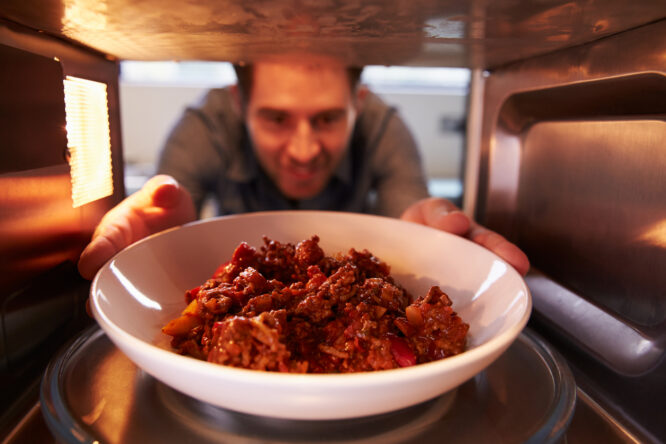
Not every dish or container is safe to put in the microwave. Glass containers generally reheat food evenly and are a solid choice, as long as they’re labelled microwave safe. Avoid anything with metal parts, such as jars with clip top lids, since these can spark and potentially damage your microwave.
Plastic containers are usually fine too, provided they carry a microwave safe label. Skip takeaway containers, margarine tubs or yoghurt pots though, as these aren’t designed to handle high heat. China and ceramic dishes can typically withstand microwave use as well, but sudden temperature changes raise the risk of cracking, so let them cool slightly before handling. Steer clear of any dish with metallic trim, like gold or silver detailing, since this can cause sparks and heat food unevenly.
With a few small adjustments to how and what you reheat, you can avoid a soggy dinner and a food safety scare in one go.