It’s hard not to feel like everything in Britain comes with a price tag these days.

Things that used to be free, or at least decently affordable, have quietly turned into sneaky add-ons or monthly subscriptions. Whether it’s public spaces, digital access, or basic services, companies (and sometimes councils) seem to be charging us for stuff we didn’t even know had a price. Here are some things we never used to have to pay for UK—until someone saw profit in them.
1. Loo access in public places

There was a time when needing a quick wee while out in town just meant finding the nearest public convenience, railway concourse, or shopping arcade and walking straight in. These days, you’re usually met with heavy steel turnstiles, an out-of-order coin slot, or an automated card reader demanding 50p before the lock clicks open.
While Network Rail finally dropped the barriers at major hubs like London Waterloo and Manchester Piccadilly a few years back, plenty of seaside towns, bus depots, and local councils have gone the opposite way, locking council-run toilets behind automated payment barriers. Getting caught short without a working contactless card shouldn’t be an emergency, but finding a free, clean public loo has become remarkably difficult.
2. Bags at the supermarket

When the initial 5p plastic bag levy came in back in 2015, the entire point was to stop people mindlessly binning single-use plastic, and the logic was hard to argue with. Fast-forward to now, and that simple environmental nudge has turned into a proper commercial earner for retailers. The thin 5p bags are virtually extinct, replaced by heavy “bags for life” that routinely cost 30p, 40p, or even 60p each.
Even traditional paper shopping bags, which used to be handed out without a second thought in high street clothes shops, now carry a charge at plenty of checkouts. If you pop in for an impromptu pint of milk and a loaf of bread on the walk home from work and forget your canvas tote, you end up paying a noticeable penalty just to carry your shopping to the car.
3. Checking in a bag for a flight
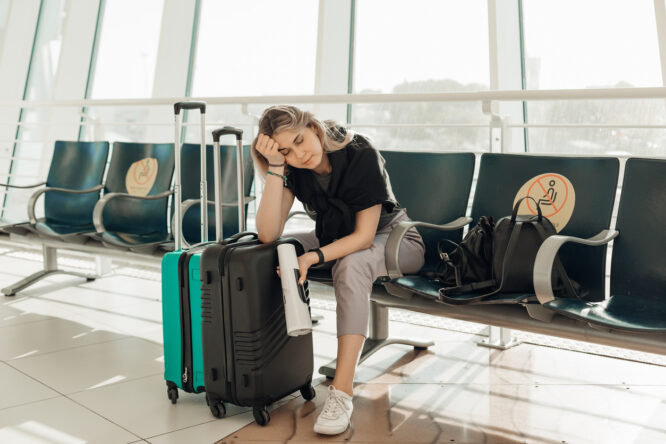
Booking a family holiday used to be fairly transparent: you bought your plane ticket, and that ticket entitled you to a seat, an overhead locker for your wheelie case, a checked bag in the hold, and usually a lukewarm meal thrown into the deal. Over the past decade, airlines have systematically unbundled everything until the basic fare buys you little more than a spot on the carpet.
Budget carriers started by charging for checked luggage, but now even standard cabin cases require you to pay extra for priority boarding, leaving you with just a tiny backpack that has to squeeze under the seat in front. Legacy carriers have followed suit with “economy basic” tiers, turning what used to be a simple journey into a stressful puzzle where adding a medium suitcase can easily double the original flight price.
4. Admin, handling, and delivery fees on event tickets

The sheer audacity of ticketing platforms when you try to book a gig, football match, or theatre show has reached incredible levels. You see a headline ticket advertised for £45, but by the time you reach the final checkout screen, you’re hit with a “booking fee”, a “facility charge”, and an extra £2.50 “processing fee” to have an automated computer system email a PDF barcode directly to your smartphone.
Back in the day, you bought a physical paper ticket from a box office window or paid standard postage to have it dropped through your letterbox for the actual cost of a stamp. Paying extra money for the digital privilege of printing your own ticket at home or displaying a QR code on your phone feels like pure cheek.
5. Cash machine withdrawals

Popping your bank card into a cash point on the side of a newsagent or outside a petrol station used to be completely free almost everywhere. But as high street bank branches continue to close at an alarming rate, thousands of free-to-use Link cash machines have disappeared alongside them. In their place, independent ATM operators have filled the void, often slapping a mandatory £1.99, £2.50, or even £3 charge on every single withdrawal.
What makes this particularly frustrating is that these fee-charging machines are heavily concentrated in smaller villages, housing estates, and lower-income neighbourhoods where bank branches no longer exist, essentially taxing people for simply wanting to hold their own hard-earned wages in cash.
6. Freeview TV content

British television used to operate on a very straightforward agreement: you paid your annual TV licence, tuned your aerial into the transmitter, and you had access to the main terrestrial channels and their standard catch-up services. Over the last few years, broadcasters have aggressively carved up their archives to feed paid streaming models.
Popular series that originally aired on free-to-air commercial channels are now regularly locked behind premium monthly subscription tiers on platforms like ITVX Premium, while older BBC classics frequently get leased out to commercial services instead of sitting on iPlayer. What used to be standard public broadcasting is increasingly chopped up and hidden behind recurring direct debits.
7. Parking at beauty spots and parks
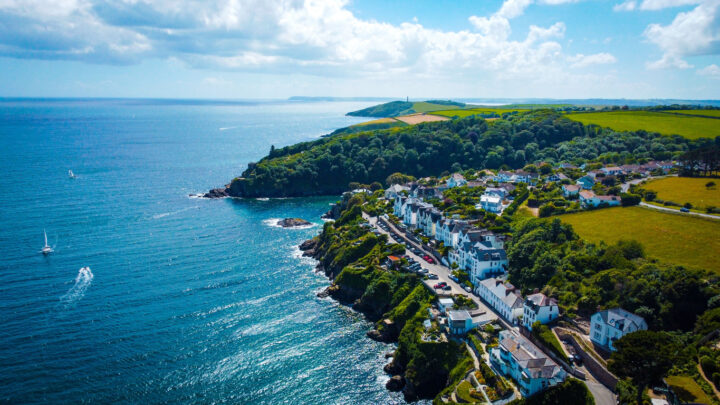
Getting out into the countryside for a bit of fresh air and a brisk walk with the dog used to be the ultimate cheap afternoon out. Now, driving to almost any well-known woodland, reservoir, or coastal path usually involves wrestling with an expensive parking machine.
National Trust sites, forestry commissions, and cash-strapped local councils have installed automated number-plate recognition cameras and pay-and-display meters in gravel lay-bys that were free for generations. When a two-hour stroll in the woods sets you back £6 or £8 in parking charges before you’ve even laced up your walking boots, enjoying the great outdoors starts feeling like an expensive luxury rather than a public right.
8. Speaking to an actual human for customer support

If your home broadband went down or your energy supplier messed up your meter reading ten years ago, you picked up the phone, dialled a freephone number, and explained the problem to a member of staff. Companies have now made direct human contact almost impossible to access.
Phone numbers are hidden six menus deep behind broken chatbot interfaces designed to wear you down until you give up, and the helplines that do exist are often routed through expensive premium-rate numbers. Some budget airlines and utility providers have even introduced paid “priority customer care” options, meaning you literally have to pay extra money just to get a company to fix an error they made in the first place.
9. Basic classroom resources and school activities

State education is meant to be free at the point of use, but ask any parent with kids in school right now and they will tell you the constant stream of payment requests is relentless. Schools facing brutal budget deficits are increasingly forced to ask parents to cover the costs of basic everyday items that used to come out of the school budget.
Families are routinely asked to pay subscriptions for essential digital homework apps, supply ingredients for mandatory cooking classes, buy specific revision guides, and contribute “voluntary” donations just to keep basic after-school clubs running. When everyday learning comes with a running invoice, the pressure on family finances gets heavy fast.
10. Tap water in restaurants

Under UK licensing laws, any venue that serves alcohol is legally required to provide free drinking water to customers on request. Yet dining out has become a subtle game of dodging extra beverage charges. When you ask a waiter for tap water for the table, you’re increasingly met with awkward hesitations, questions about whether you prefer “still or sparkling”, or being brought expensive branded glass bottles of “in-house filtered” water that quietly show up on the final bill for £4 a pop. Making customers feel awkward or cheap for asking for ordinary tap water is a blatant attempt to turn a basic human necessity into another profit margin on the bill.