When a tree falls across a boundary, it can quickly turn from a neighbourly inconvenience into a legal headache.

Whether it damages property or just lands awkwardly across gardens, it’s not always clear who’s responsible for the mess. Here’s what you legally have to do in the UK if your tree falls into a neighbour’s garden, and how to handle it without creating conflict or breaking the law. It’s a nightmare whatever way you slice it, but you can make it slightly less painful if you’re careful.
Work out who owns the tree.
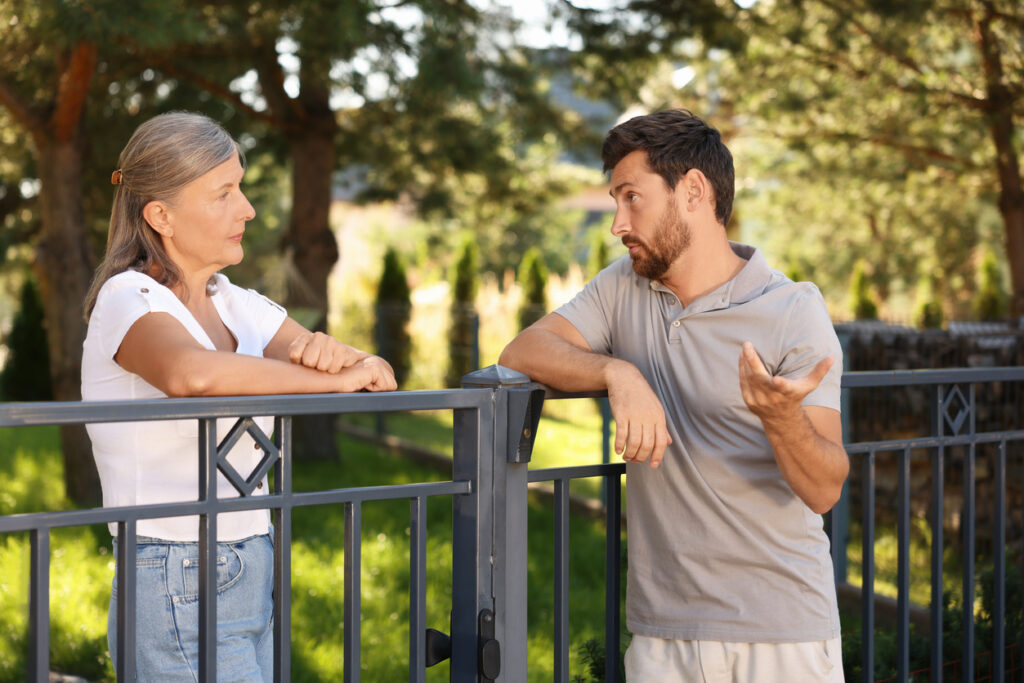
The first thing to confirm is ownership. In almost all cases, the person who owns the land where the tree originally stood also owns the tree, even after it falls. The fact that it’s now lying in your neighbour’s garden doesn’t mean it belongs to them. Boundaries can sometimes be tricky, so check title deeds or garden surveys if you’re unsure. If the trunk was on your side, it’s your tree, regardless of where it’s fallen.
You’re responsible only if negligence is proven.

If the tree was well maintained and healthy, and it fell because of strong winds or storms, you’re unlikely to be legally liable. The law treats this as an unavoidable natural event rather than negligence. However, if the tree was rotting, diseased, or clearly unsafe and you ignored it, you may be held responsible for any resulting damage. Regular inspections and pruning help protect you from future disputes.
Clearing the fallen tree is a shared responsibility.
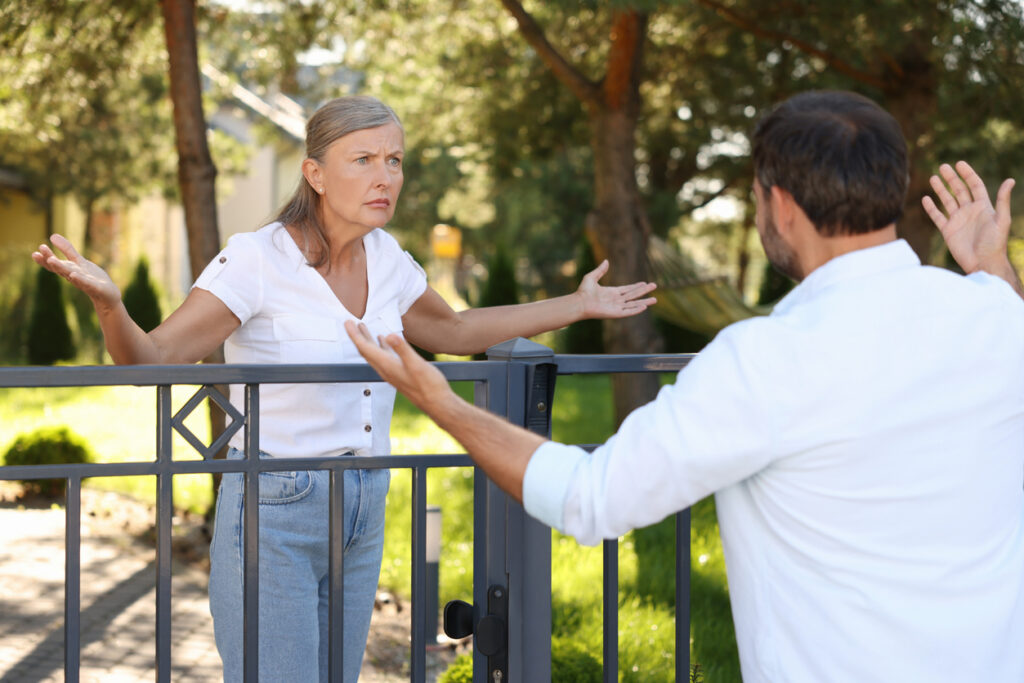
Once a tree has fallen, the part that’s landed in your neighbour’s garden technically becomes their responsibility to deal with, at least for removal. However, the wood, branches, and debris still belong to you. The polite and practical approach is to arrange removal together, especially if fences, sheds, or other property were damaged. Offer to help or share costs, even if you’re not legally required to, as it keeps things amicable.
Damage should go through insurance first.

If your fallen tree damages a fence, shed, or house, your neighbour should contact their home insurance provider before anything else. Insurers usually handle the claim directly and then decide whether to recover costs from you. Unless the fall was caused by negligence, you’re unlikely to be liable. Always take photos of the damage and the fallen tree for your own records in case questions arise later.
You can’t enter your neighbour’s property without permission.

Even though the tree belongs to you, you can’t simply walk into your neighbour’s garden to remove it. You must ask permission first, as entering without consent counts as trespassing under UK law. Most people will agree to access once you’ve discussed the situation calmly. If they refuse, you may need to arrange removal through professional contractors who can coordinate access properly.
Who pays for removal depends on the cause.
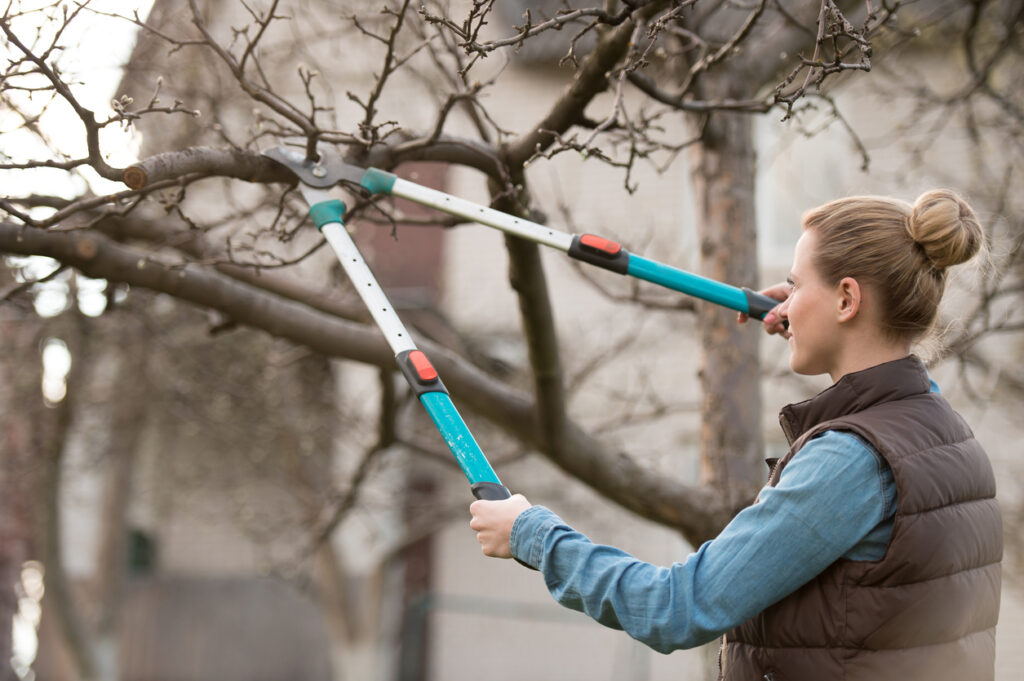
If the fall was genuinely unpredictable, each party typically handles the clean-up on their side. If the tree was neglected, you might need to cover your neighbour’s removal costs and repairs. The key factor is whether you took reasonable care of your tree before the accident. Documenting inspections or hiring a tree surgeon now and then helps prove you acted responsibly if the situation ever ends up in dispute.
Don’t dispose of the fallen wood without agreement.
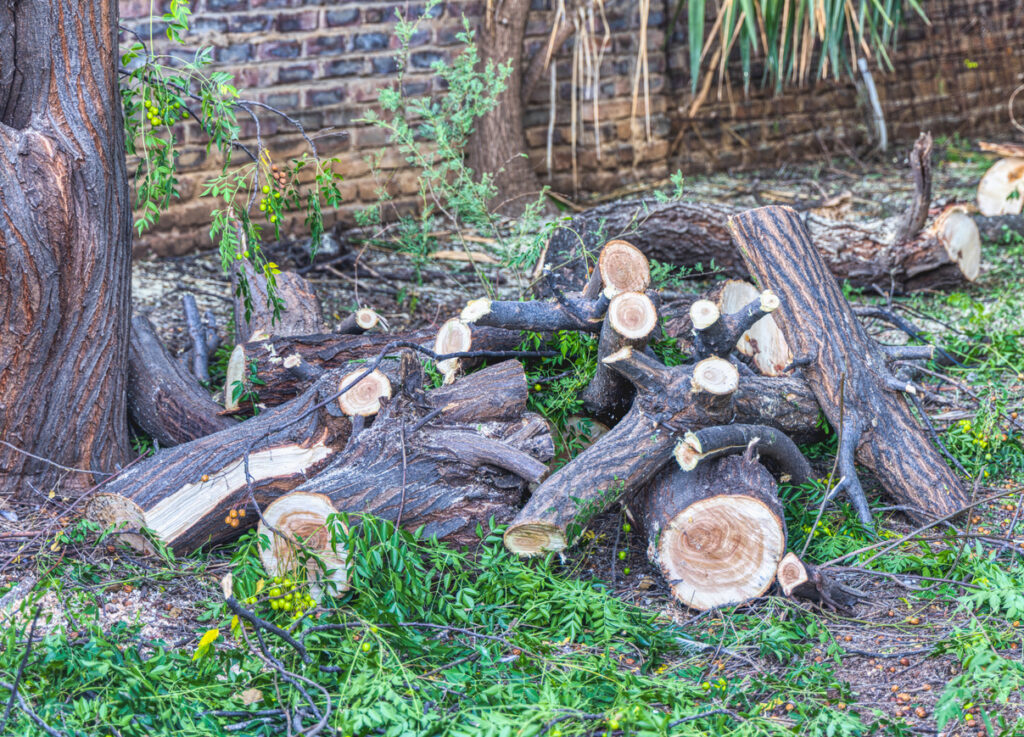
The tree, branches, and debris remain your property even when they’ve landed in your neighbour’s garden. By law, they must offer them back to you before disposing of anything. If you don’t want the wood, make that clear in writing. It avoids any argument later over ownership or waste disposal responsibility.
Tree Preservation Orders still apply.
If your tree was protected by a Tree Preservation Order (TPO) or located in a Conservation Area, you must report the fall to your local council before carrying out any work. Damaging or cutting a protected tree without permission can lead to heavy fines. In most cases, councils are understanding when a tree has fallen naturally, but it’s best to get written confirmation before removing it completely.
Keep your insurer informed.

Even if no property was damaged, let your insurer know what’s happened. If the tree caused damage or injury, they can advise whether your policy covers removal or third-party claims. Providing details early avoids confusion if your neighbour’s insurer later contacts you for information or evidence.
Prevention is better than repair.
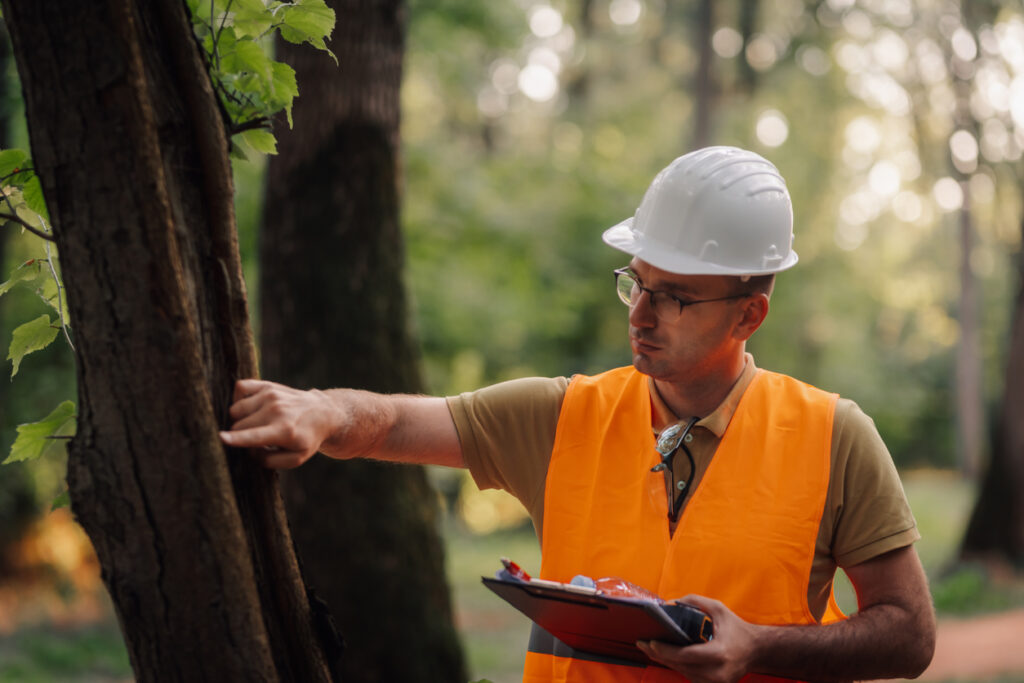
Tree owners are expected to carry out reasonable maintenance, especially near boundaries or public footpaths. Having an arborist inspect your trees every few years helps prove you acted responsibly if anything goes wrong. Simple steps like pruning weak branches, removing diseased sections, and checking roots for instability can prevent accidents (and future legal disputes) from ever happening.
Communicate clearly with your neighbour.

Even when you’re not legally at fault, ignoring the issue can strain relationships fast. Be upfront, apologise for the inconvenience, and offer to cooperate on clean-up. A reasonable conversation goes further than arguments over insurance or council reports. Written confirmation of what you’ve agreed, such as shared costs or contractor access, keeps everything fair and avoids misunderstandings later on.
Legal action is a last resort.

In rare cases, disputes end up in small claims court if one party refuses to cover clear damages caused by neglect. To win, your neighbour would need to prove you failed to take reasonable care of the tree before it fell. In most situations, though, cooperation and insurance resolve the issue without involving solicitors or court fees. Staying calm and reasonable protects both your finances and your peace of mind.
If your neighbour’s tree falls on your land.
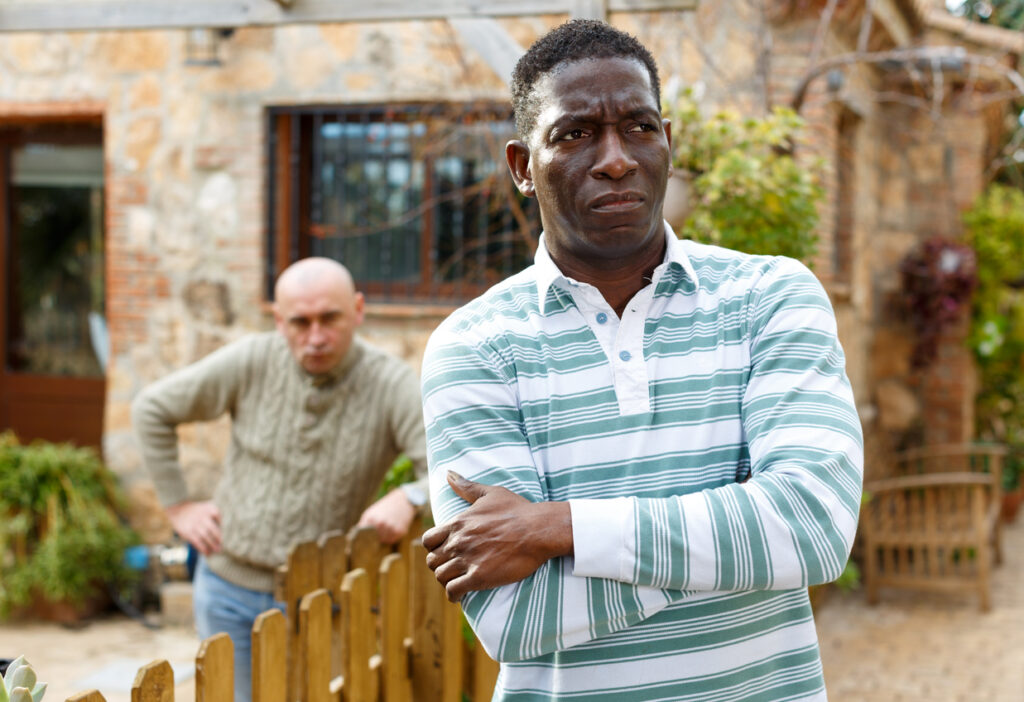
The same principles apply in reverse. You’re responsible for the part on your side, even if it wasn’t your fault. Your insurer should cover repairs, and you can only claim costs back if negligence is proven. Keep evidence, like photos of visible rot or warnings that were ignored. Otherwise, it’s usually treated as an accident rather than a legal issue.
Always prioritise safety first.

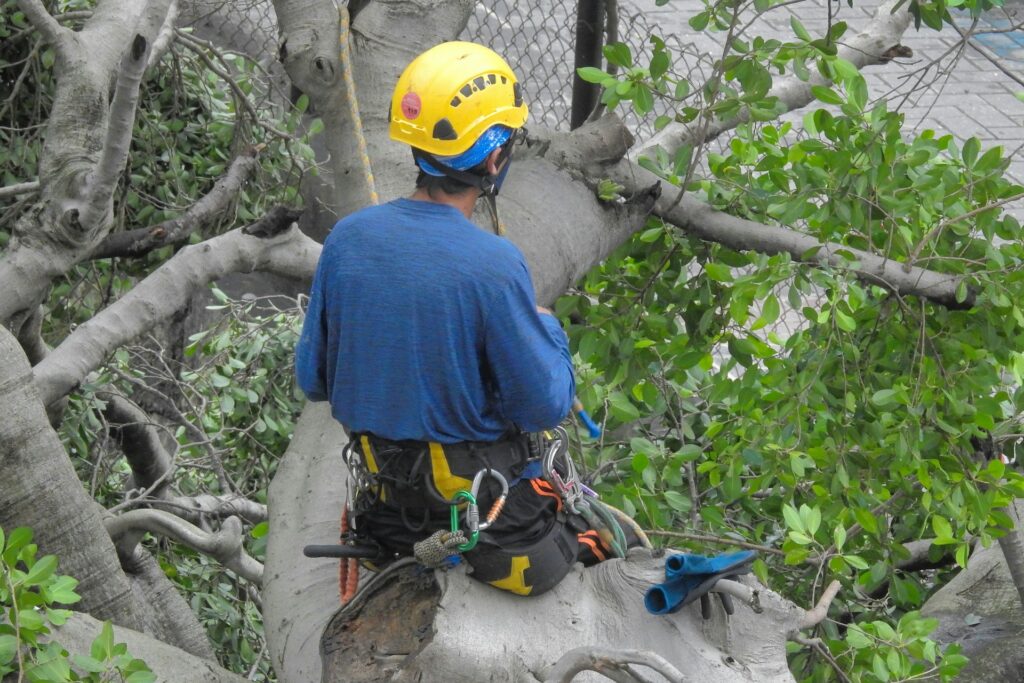
Before clearing anything, make sure the area is safe. Fallen trees can hide power lines, sharp branches, or unstable trunks that could move. Don’t take risks with chainsaws or ladders if you’re unsure what you’re doing. Hiring a qualified tree surgeon is the safest way to remove large or awkward trees, especially near property lines or fences.
15. Keep good records for the future

Once everything is sorted, keep a record of photos and correspondence with your neighbour and insurer. If problems arise later, this information can prove you handled the situation properly. Having a paper trail protects you from blame and shows that you took reasonable, responsible action after the incident.