Most of us have a word or two we deliberately avoid using in conversation.
Instead, we swap it out for an easier alternative just in case we mangle the pronunciation in front of a room full of people. Whether it’s a tricky menu item, a technical medical term, or an everyday word with a few too many silent letters, that brief flash of hesitation before speaking is something almost everyone recognises.
A nationwide survey of 2,000 adults commissioned by Skoda has revealed that stumbling over standard English vocabulary is far more common than most people care to admit. The research highlights the everyday words that leave Brits tongue-tied most often, and the lineup includes plenty of terms that crop up in regular conversation without anyone ever feeling completely certain they’re saying them the right way. From culinary classics to deceptively simple phrases, here are the words that catch us out most frequently and how to finally get them right with confidence.
The words tripping people up the most

Food-related words dominate the list of most commonly mispronounced terms. Quinoa, gnocchi, and Worcestershire all feature prominently, alongside Chipotle and gyro. Beyond food, everyday words like phenomenon, hyperbole, aesthetic, and even gif also caused plenty of confusion, proving that mispronunciation isn’t limited to fancy imported vocabulary, it catches people out on ordinary English words too.
Getting it wrong is more common than you’d think.

The survey found that 85% of people have been corrected by someone else after mispronouncing a word, and for a quarter of those people, that correction left them feeling embarrassed. That embarrassment has knock-on effects too. Nearly a quarter of adults admitted they now lack the confidence to attempt unfamiliar words out loud at all, preferring to avoid them entirely rather than risk getting it wrong again. On the flip side, a good number of people, 27%, said they’ve kept using a word incorrectly even after realising their pronunciation was off, simply out of habit or stubbornness.
Why the car company behind this research knows the struggle firsthand
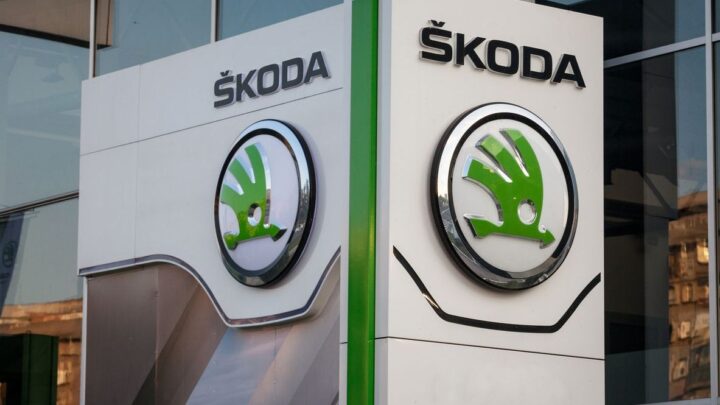
The study was commissioned by Škoda, a brand that’s had firsthand experience with this exact problem. According to a spokesperson for the company, certain words simply don’t sound the way they’re spelled, and their own brand name is a perfect example of that. The small mark above the S in Škoda, known as a hacek or caron, often throws people off entirely. In the UK, most people say the name as “S-co-der”, when the correct pronunciation is actually closer to “Sh-co-da”. Despite that, the spokesperson noted it was encouraging to see how many people are still willing to give unfamiliar words a go, even knowing they might get it wrong.
Pronunciation still matters to most people.

Correct pronunciation clearly still carries weight for most adults. A striking 85% said they believe pronouncing words correctly is important, and more than half of that group said it helps avoid misunderstandings in everyday conversation. Others pointed to different reasons entirely, with over half saying correct pronunciation shows respect for language itself, while smaller but still significant groups felt it made them appear more knowledgeable or more professional. Interestingly, close to four in ten people admitted that how someone pronounces words shapes the overall impression they form of that person.
There’s a generational divide in how people react.

Attitudes toward mispronunciation shift quite noticeably between generations. More than half of Gen Z respondents said someone’s pronunciation would actively influence what they think of them, compared to less than a quarter of Baby Boomers who felt the same way. That generational gap extends to correcting others too. Over half of Gen Z admitted to correcting friends, family, or colleagues on their pronunciation, while less than a third of Boomers said they’d do the same.
Most people avoid correcting others when they say a word wrong.

For those who tend to hold back rather than correct someone’s pronunciation, the reasoning was fairly consistent. The most common reason, cited by nearly 40% of people, was simply not wanting to embarrass the other person. Others held back because they didn’t want to come across as rude, or because they felt it wasn’t their place to say anything at all.
Should words just be spelled the way they sound?
Nearly half of those surveyed reckon words should be spelled exactly the way they’re pronounced, which would certainly make life easier for plenty of these tricky terms. Interestingly, three in ten people credited social media specifically with improving their awareness of how certain words are actually meant to be said, suggesting platforms like TikTok and Instagram may be doing more for pronunciation education than we’d typically give them credit for.
The full list of the 20 most mispronounced words

Acai
Segue
Charcuterie
Quinoa
Gnocchi
Worcestershire
Chipotle
Phenomenon
Gyro
Similarly
Hyperbole
Aesthetic
Gif
Entrepreneur
Colonel
Necessarily
Specific
Espresso
Brewery
Squirrel