We all have to work, but we’d hope that it wouldn’t come at the expense of our health.
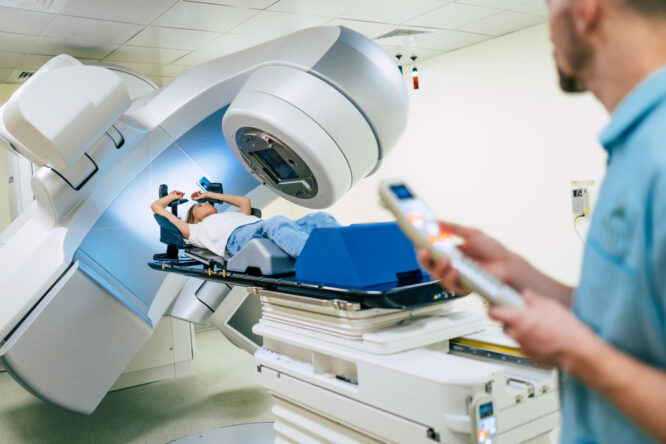
If you had to guess which job carries the biggest risk of radiation exposure and related cancers, your mind would probably jump straight to radiologists running hospital X-ray machines, lab technicians, or staff inside nuclear power plants. It’s the obvious assumption, but according to a major new study, you’d be very wrong.
The profession that actually tops the list doesn’t involve handling radioactive materials or wearing lead aprons in a clinic. It’s cabin crew and pilots, clocking up hours thousands of feet above the ground. While most of us view flying as just a way to get to our summer holidays, spending your working life cruising at 35,000 feet exposes you to an invisible, persistent occupational hazard that very few people on the ground ever think about.
Here’s why spending your working week in the sky carries such a surprising health risk, and what the latest research reveals about the safety of flight crews.
Being up in the air is riskier than you’d think.
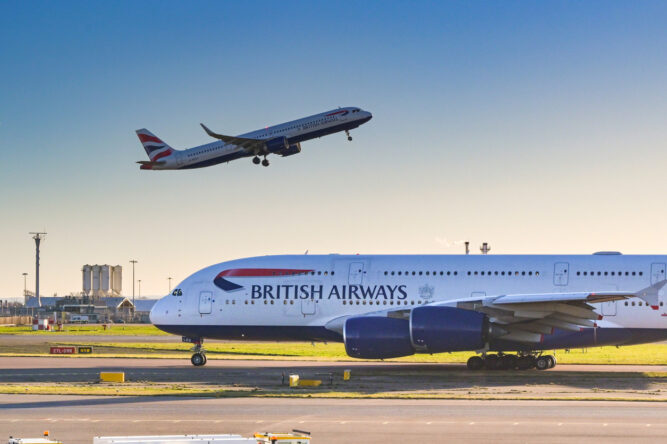
The reason comes down to something most of us never think about when we book a flight: cosmic radiation. Earth’s atmosphere acts like a protective blanket, soaking up a lot of the radiation that constantly rains down on us from space. The trouble is, that protection gets weaker the higher up you go, which means anyone spending long stretches of time at cruising altitude is exposed to noticeably more radiation than the rest of us down on the ground.
It’s not a huge amount on any single flight, but it adds up. Pilots and cabin crew who fly regularly build up meaningfully more exposure over a year than someone who only flies a handful of times, simply because they’re up there so often and for so long.
Researchers looked at millions of death records to work this out.

To get to the bottom of how much this actually impacts people’s health, researchers pulled together information from more than 12 million death records covering hundreds of different professions. They then split people who’d died of cancer into two groups: cancers known to be linked to radiation exposure—things like breast, thyroid and prostate cancer, leukaemia, and melanoma—and cancers that aren’t typically linked to radiation at all.
What they found was striking. Out of over 500 different occupations, flight attendants came out with the highest rate of radiation-related cancer deaths of any job studied, with pilots coming in a close second, ahead of professions you might expect to top the list, like radiographers working with medical imaging equipment.
It’s specifically the radiation-linked cancers that stand out.

When researchers looked at cancers that have nothing to do with radiation, flight attendants and pilots looked pretty ordinary, sitting right around the middle of the pack compared to other professions. It’s only the radiation-linked cancers where their numbers jump out, which is exactly the pattern you’d expect to see if cosmic radiation exposure really is the driving factor, rather than something more general like lifestyle or stress.
Overall, flight attendants were found to be 50% more likely to develop a radiation-linked cancer than people in other jobs, with pilots coming in at 36% more likely. That’s a meaningful gap, and one that lines up closely with just how much extra radiation these workers are exposed to simply by doing their jobs.
Cosmic radiation might not be the only thing putting aircrew at risk.

Researchers who reviewed the findings pointed out that cosmic radiation probably isn’t the whole story either. Aircraft windows, particularly in the cockpit, let through more UV light than most people realise, which could add to the risk over time. On top of that, the disrupted sleep patterns that come with constant shift work and overnight flying are already known to affect health in their own right, and could be compounding the problem further.
Why this hasn’t had much attention until now

Despite cabin crew and pilots facing the highest occupational radiation exposure of almost any profession, they haven’t historically been treated the same way as other radiation-exposed workers when it comes to monitoring and protection. Unlike staff in nuclear or medical settings, who are usually subject to strict dose limits and regular monitoring, aviation crews in many countries haven’t faced the same requirements, despite aviation authorities formally acknowledging that the job comes with meaningful radiation exposure.
What could actually help protect crew going forward

Researchers behind the study think there’s a fairly clear path to making things safer. That includes doctors keeping track of how many years someone’s spent working in the air as part of their routine health checks, alongside a stronger focus on things like regular skin checks and breast screening for those most at risk.
None of this means flying occasionally is something to worry about, since the exposure most passengers get is tiny compared to what crew build up over years of regular flying. But for the people spending their entire careers in the sky, it’s a solid reminder that some of the biggest occupational health risks aren’t always the ones you’d expect, and that proper monitoring and protection for aircrew is probably overdue.