Getting around England is about to look quite different for thousands of disabled passengers, following plans for a major shake-up to public transport rules.

Under current schemes, travel passes often come with strict peak-hour restrictions that limit when and where people can ride without paying a fare. However, upcoming changes scheduled for 2027 are set to overhaul how local transport works across the country, giving eligible pass holders far greater flexibility to travel on their own terms, 24 hours a day.
The current system has been causing problems.
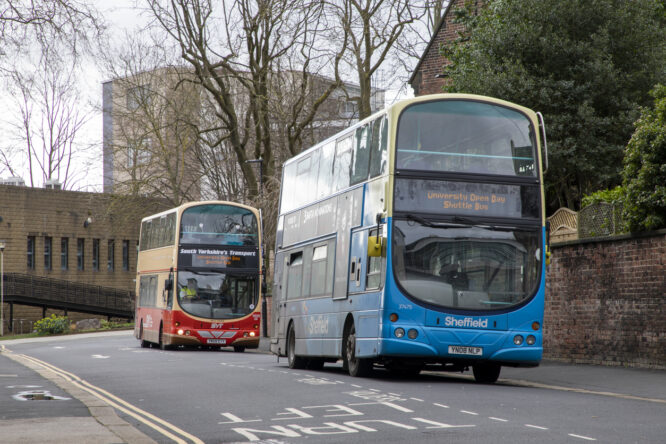
Right now, disabled bus passes can only be used between 9:30 a.m. and 11 p.m. on weekdays, which has made it hard for a lot of people to get to work in the morning or attend anything running later in the evening. Weekends and bank holidays have always been unrestricted, but the weekday limits have effectively shut disabled pass holders out of using free travel during some of the times they need it most.
Bus travel is the most widely used form of transport in England, and for a lot of disabled people it’s essential rather than just convenient. Removing these restrictions is being framed by the government as part of a wider push to cut the cost of living and make it easier for disabled people to get into work.
The prime minister and others have said the change was a long time coming.
Prime Minister Andy Burnham said it simply wasn’t right that disabled people couldn’t use their pass at certain times of day, and confirmed the government intends to fix that nationally. It’s not the first time he’s made this change, either. Earlier this year, while serving as mayor of Greater Manchester, Burnham removed the same time restrictions on Manchester’s Bee Network bus system, allowing disabled pass holders there to travel at any hour. He described being able to now roll the same policy out across the whole country as something he’s proud to do.
The policy has had vocal backing from campaigners, too. Liberal Democrat MP Tom Gordon, who has been a prominent advocate for the change, called it a huge win for the disabled community and the result of two years of campaigning. Not everyone’s convinced by how it’s being funded though, with a Conservative Party spokesperson pushing the prime minister to explain exactly where the money is coming from, and suggesting it amounts to little more than shuffling existing departmental budgets around rather than new investment.
Disabled campaigners say it ends a confusing postcode lottery.
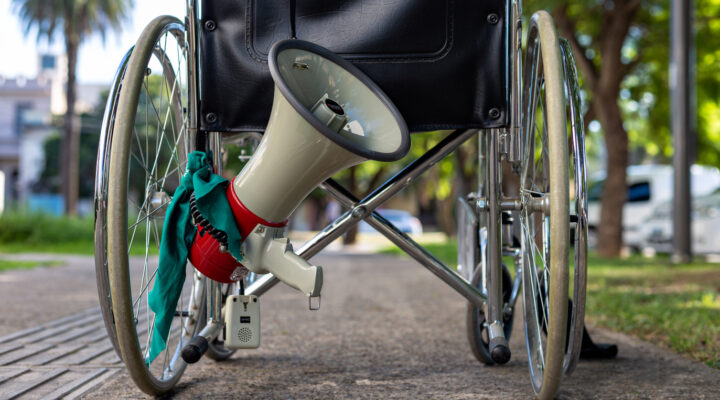
James Barber from the disabled-led charity Transport for All welcomed the announcement as a real win for disabled people, and said it should help put a stop to what he described as a confusing and unjust postcode lottery, caused by different areas of the country operating under different rules for years.
Kurtis Crossthorn, from Sheffield, who is registered blind, said the change would come as a relief to a lot of disabled people, and would make many feel properly heard. He pointed out that disabled people need to get to work and live their lives just like anyone else, describing buses as a lifeline, particularly for those in the community who aren’t able to drive.
How will the scheme be funded?
The changes are backed by a £60 million scheme, which will be funded jointly from the budgets of the Department for Transport and the Department for Work and Pensions. Work and Pensions minister Lilian Greenwood has described the change as an indefinite commitment rather than a short-term policy, with funding for future years to be worked out during upcoming spending reviews.
It’s part of a wider set of cost of living measures.

This isn’t the only recent change aimed at easing costs for people relying on public transport in England. The government has already introduced free bus travel for under-16s during August, alongside a £2 cap on single bus fares that operators have been encouraged to sign up to. Separately, it has also cut business rates for pubs and removed VAT from electricity bills, as part of a broader effort to bring down everyday costs.
How England compares to the rest of the UK

England has been lagging a little behind other parts of the UK on this front. Disabled people in Scotland and Wales are already entitled to free bus travel at any time, without the kind of restrictions England has had in place. Northern Ireland operates a slightly different system again, offering free travel to blind people and disabled war veterans specifically, while everyone else holding a disabled bus pass there gets half-price fares rather than free travel. This latest announcement brings England’s system much closer in line with the rest of the country.