Eurovision organisers are looking at a major shake-up of how the public votes.
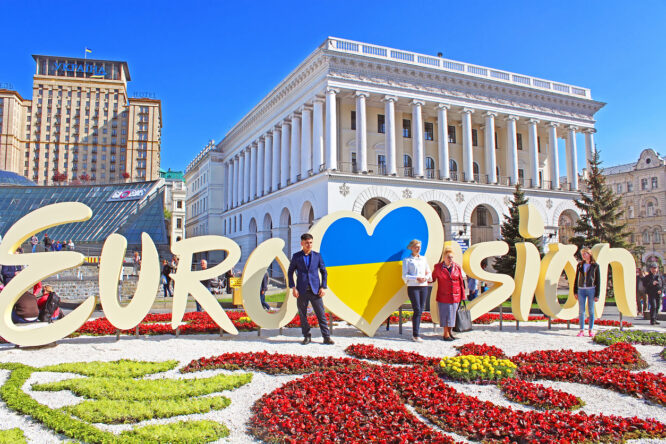
The goal is aiming to reduce the influence of coordinated voting campaigns tied to politics rather than performance. The European Broadcasting Union has written to participating broadcasters setting out plans that would move public voting entirely online and change how many acts each viewer can vote for.
At the moment, viewers can vote up to ten times for a single favourite act using phone, text or online voting. Under the proposed changes, that would move to requiring viewers to pick their top three entries instead of repeatedly backing just one, a move organisers say is designed to spread votes more evenly across the contest.
The concerns have been building for a while.

The EBU says politically driven voting has become a persistent issue rather than a one-off, describing the pattern as deeply worrying for many involved in the contest. Scrutiny around the voting system stepped up after Israel’s 2025 entry received a heavily promoted public voting push, including posts from official government social media accounts encouraging people to cast the maximum number of votes allowed.
That entry ended up placing low with the contest’s juries but topped the public vote by a wide margin, eventually finishing as runner-up overall. Several broadcasters raised questions afterwards about how such a gap between the jury and public scores had come about.
Rule changes have already started, with more on the way.

In response to the 2025 controversy, organisers already cut the maximum number of votes per person from twenty down to ten for this year’s contest. Even with that change in place, organisers had to issue a formal warning during this year’s event after promotional videos encouraged fans to use every one of their ten votes for a single country, something Eurovision said didn’t fit the spirit of the competition and ordered removed.
The new proposals go further, aiming to stop repeat voting for a single country altogether, though fans determined to back one act repeatedly could still find ways around it by registering multiple accounts with different payment details.
Organisers say the change is about balance, not censorship.

In the letter setting out the proposed changes, organisers acknowledged that even without large scale paid campaigns, the current geopolitical climate has been shaping how people vote for reasons that have little to do with the actual performances. They stressed this isn’t a new problem for the contest, but said the scale and persistence of it this time has been unusual.
Moving voting fully online is also partly a practical decision, since requiring viewers to vote for multiple acts is far easier to manage through an app or website than through phone or text voting. The UK already switched to online-only voting for this year’s contest, giving organisers a working example to build from.
A sponsor has also stepped away from the contest.
Separately, an Israeli cosmetics company that had sponsored Eurovision for six years has ended its involvement with the contest, supplying hairstyling products and stylists to performing artists during that time. No reason was given for the split, though the sponsorship had drawn criticism in recent years amid wider protests over Israel’s participation in the contest during the war in Gaza.
It’s part of a bigger set of changes at Eurovision.

The voting proposal is one of several changes announced by organisers recently. Broadcasters will no longer be eligible to host the contest if their country is involved in an armed conflict or a sensitive geopolitical situation, the minimum age for competing singers has been raised from sixteen to eighteen, and stricter rules have been introduced around the use of pre-recorded vocals during performances.
Next year’s contest will be held in the Bulgarian coastal town of Burgas, after Bulgaria’s entry won both the jury and public vote at this year’s event. The next edition of the competition is set to run from 12 to 15 May 2027.