Getting more plant-based protein onto your plate is a lot easier than it sounds
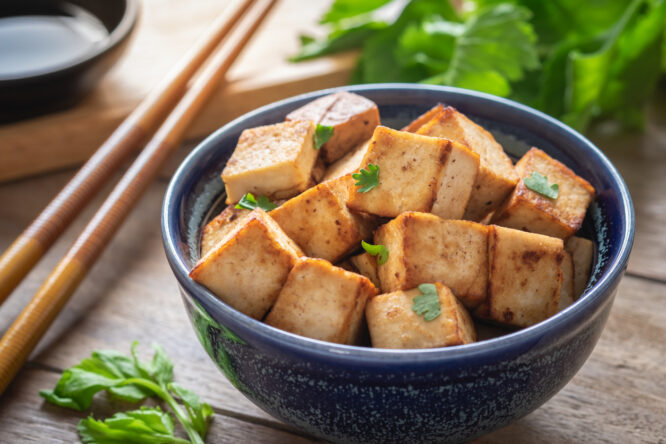
For starters, you definitely don’t need to go fully vegan or overhaul your entire kitchen to make it work. Protein is one of the big essential nutrients your body relies on every single day, and because it’s so filling, getting a decent amount into your meals keeps you satisfied and stops you hunting for snacks an hour after eating.
You don’t have to live on bland blocks of unflavoured tofu or expensive powders, either. By chucking a few cheap, simple plant staples into the curries, stews, and pasta dishes you’re already cooking, you can easily bump up your numbers without turning dinner into a chore.
Tofu deserves a second chance.
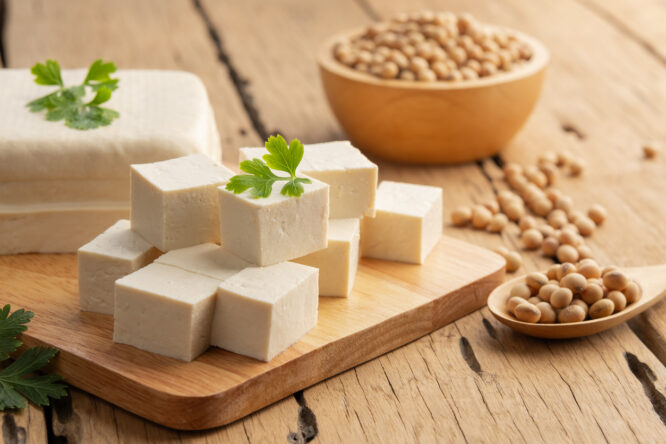
Tofu tends to intimidate people, but it’s a lot simpler than it looks. At its core, it’s just soybeans, water, sometimes calcium used to help it set, and a small amount of salt, nowhere near as processed as its reputation suggests.
The idea that tofu tastes bland comes down entirely to how it’s cooked. Its spongy texture means it soaks up flavour brilliantly, and frying it with spices, garlic, onion, and ginger transforms it into something truly tasty. Store cupboard ingredients can easily be turned into a decent marinade, and scrambled tofu can actually be more nutritious than eggs, containing no saturated fat and no cholesterol at all.
Buying extra-firm tofu specifically means there’s no need to press out excess water beforehand, it can simply be chopped straight from the packet and thrown into a pan, much like cooking a chicken breast.
Combining protein sources works well.
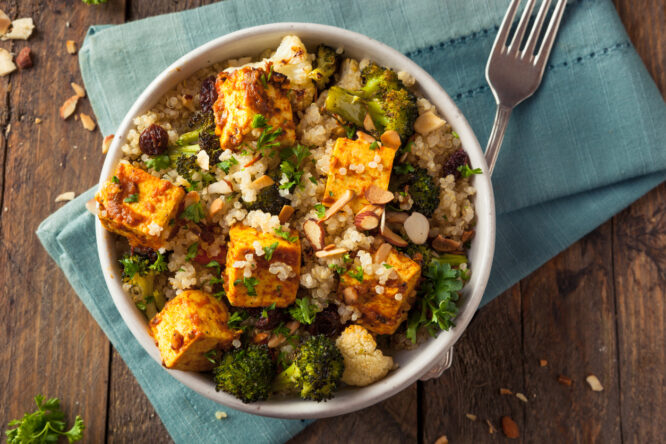
Mixing different plant-based protein sources together supports gut health by helping gut flora thrive, while also boosting overall fibre intake, since nearly all plants contain some fibre. A useful approach is building a meal around a denser “protein anchor” like tempeh, tofu, or seitan, then layering the rest of the plate around it.
That might mean pairing beans with a salad built on a wholegrain base like quinoa, then finishing with a scattering of nuts on top. Together, that kind of layered meal becomes delicious while delivering multiple different plant protein sources at once, along with fibre that meat, fish, and dairy simply don’t provide on their own.
A humble tin of beans is worth keeping stocked.
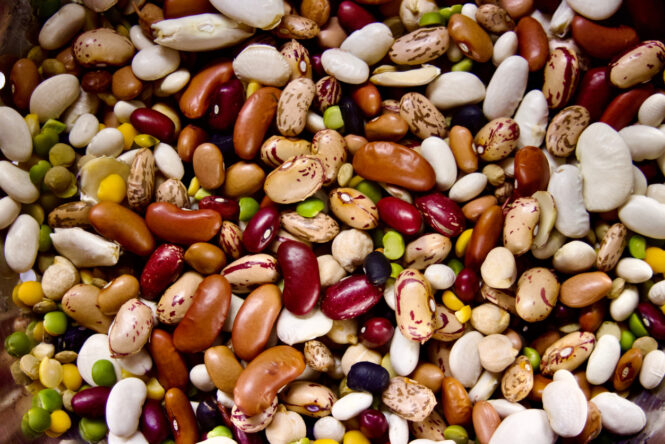
A simple tin of beans makes an excellent starting point for boosting plant protein, and a five-bean mix works even better, offering five different bean varieties in one tin. That variety brings plenty of fibre alongside decent protein content, plus resistant starch, which is particularly good for supporting gut microbes.
Beans are also remarkably convenient. They can be drained and tossed straight into a salad without any cooking or extra preparation needed, letting the dressing carry most of the flavour. They also blend easily into creamy pasta sauces, adding both protein and texture without much extra effort.
Start small rather than overhauling everything at once.
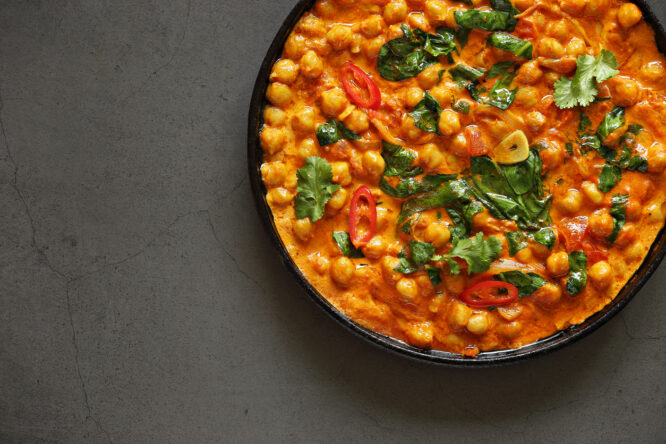
Making drastic, overnight changes to an entire diet rarely sticks, so easing in gradually tends to work far better. A simple chickpea and spinach curry makes a great entry point: just onion and garlic in a pan, a shop-bought curry paste or spice blend, a drained tin of chickpeas, a tin of tomatoes and a handful of spinach, all cooked down together. Extra-firm tofu fried separately with a little salt and pepper can be served on top for extra protein.
There’s no need to go fully vegan either. Simply introducing a couple of meat-free meals a week is a manageable starting point, and it’s often far tastier and easier than expected. Another practical trick involves partially swapping ingredients rather than replacing them entirely, for example using half mince and half tinned lentils, or a three-quarters to one-quarter split, in a bolognese or any dish that normally calls for mince.
Give new flavours time to grow on you.

Research shows taste buds take time to adapt to new foods and flavours, and they’re actually constantly regenerating. Transitioning toward more whole foods, or cutting back on heavily processed and sugary foods, can taste unpleasant at first, and that’s a completely normal part of the adjustment process rather than a sign something’s wrong.
Persistence really does pay off here. Giving a new food a proper trial of a couple of weeks, rather than writing it off after one attempt, tends to make a real difference in how it’s eventually perceived. The body wasn’t really designed to handle large amounts of processed food or excessive meat consumption, and prioritising colourful, varied plant foods where possible tends to support that natural balance far better.
There are real benefits of eating this way.

Plenty of people who’ve moved toward more plant-based meals report feeling noticeably better both physically and mentally as a result. Moving away from packaged, processed convenience food toward more whole, plant-based meals often brings a real boost in energy and overall mood.
The goal ultimately comes down to providing enough sustained energy to make movement and activity feel more achievable. Getting enough protein alongside sufficient carbohydrates, and building a healthy, balanced plant-based meal into a regular weekly rotation, doesn’t necessarily cause muscle gain by itself, but it does provide the energy and vitality needed to actually go and build that strength through exercise and daily activity.