The “loyal, kind, and unquestioningly doting” partner has a brand-new label these days, and it isn’t Prince Charming.
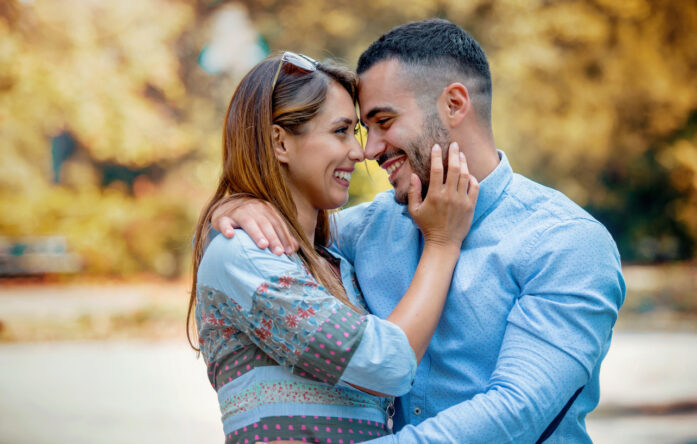
Across social media, people have become obsessed with sorting dates into canine categories, with the sunny, eager-to-please “golden retriever boyfriend” sitting right at the top of the pile. On paper, having someone endlessly upbeat and totally devoted sounds ideal, but scratch beneath the surface of all that puppyish enthusiasm and things get complicated fast.
When a partner leans entirely into being harmless and constantly cheerful, it often hides a whole batch of messy red flags, from weaponised incompetence and dodging difficult conversations to having zero emotional backbone. What looks like pure green-flag energy on your feed might actually be masking some of the biggest relationship headaches going.
What is a golden retriever boyfriend, anyway?

The trend attaches animal archetypes to real couples, both famous and ordinary, based on personality rather than looks. A golden retriever man is romantic, sensitive, affectionate and endlessly loyal, someone with enough enthusiasm to fill a room even when nobody else brings the same energy.
Celebrity pairings have become the shorthand for the label. Tom Holland grins the minute Zendaya steps on a red carpet. One Spider-Man star grins the moment his wife steps onto a red carpet. Actor Callum Turner was recently spotted dancing with his new wife, Dua Lipa, beneath the Eiffel Tower. Travis Kelce’s open adoration for Taylor Swift has softened one of the most protective fanbases on the planet, with the pair recently marrying.
A handful of other actors, along with Prince Harry, have picked up the same tag online, cast as friendly, outgoing and thoroughly trainable. His wife Meghan Markle, by contrast, has been dubbed a black cat by the same online commentators: mysterious, independent, slightly aloof.
This label has caught on in a big way.

Sorting people into animal categories is silly on its surface, but the popularity of this particular one says something real about the current dating landscape. Golden retriever traits sit in direct opposition to a persona pushed by parts of the online manosphere, where showing affection or visible pride in a partner gets mocked as weak or “simping.”
That backdrop is exactly what makes the golden retriever archetype feel so appealing. Among friends, warmth and open affection are unremarkable. Among a certain slice of men online, the bar has dropped low enough that basic kindness now gets treated as exceptional.
There’s a hidden cost to constant devotion.
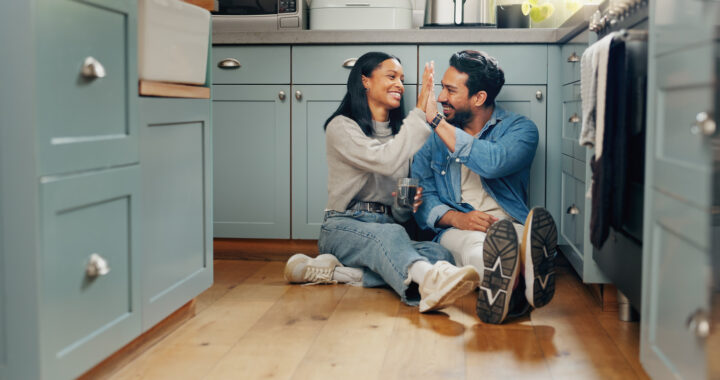
There’s a real risk buried inside the golden retriever fantasy once it plays out beyond a highlight reel. A partner who’s endlessly happy-go-lucky can leave the other person carrying most of the emotional weight in the relationship. Someone content to simply go along with whatever happens may stop making plans, voicing preferences, or pushing back when it matters.
That dynamic gets trickier for people who prefer more independence within a relationship. Research from one major dating platform found that a large share of singles over 40 are actively prioritising independence alongside connection, roughly 47% among those aged 40 to 49 and 46% among those aged 50 to 59, reflecting a desire for both support and room for personal growth.
A bit of friction can actually help a relationship.
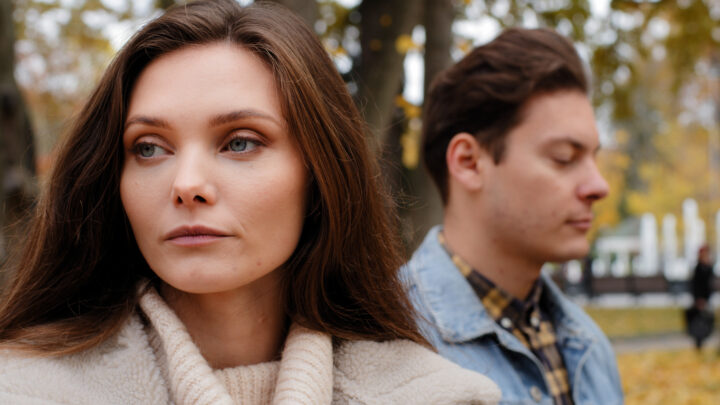
Relationship experts point out that a partner who challenges you in a healthy, respectful way can support personal growth, something that matters even more later in life once people bring more lived experience into new relationships. Someone who encourages reflection and offers fresh perspective helps break old patterns, particularly for anyone re-entering dating after a long marriage or relationship.
That’s precisely the friction a purely golden retriever partner may struggle to offer. Constant agreement and boundless enthusiasm can feel wonderful early on, but without any pushback or independent perspective, a relationship risks becoming one-sided rather than balanced.
Social media’s has been moving further toward the red flags.

Opinion online has already started swinging against the trope. One viral video, racking up close to 160,000 likes, argued that some men lean into the golden retriever image specifically to dodge accountability. The claim was that framing yourself as fragile earns automatic benefit of the doubt in an argument, turning apparent sweetness into a shield.
Separately, relationship coach Greta Bereisaite listed people-pleasing, co-dependency, and poor respect for personal boundaries as warning signs hiding behind the golden retriever label. What reads as loving and cute at first can start to feel overwhelming once the initial charm wears thin, and being constantly attached to a partner isn’t a fit for everyone.
Other breeds are getting their moment too.
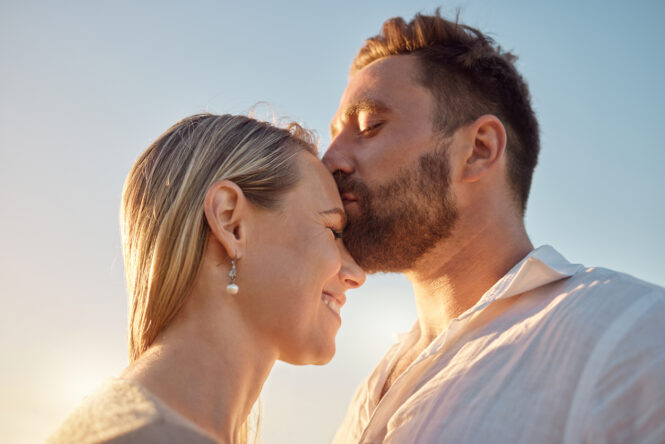
Not every woman online is chasing golden retriever energy. Some have said they’d rather date a Doberman instead: intelligent, high-energy and fiercely loyal, but without quite so much neediness attached. Whatever the label, the underlying thread across every version of this trend stays consistent. Sincerity, warmth, and kindness remain the actual draw, regardless of what certain corners of the internet try to claim men should act like instead.
What the real-life examples actually show

The celebrity moments fuelling this trend tend to share one thing: visible, unforced generosity toward a partner. Holland made headlines by deliberately stepping back from the spotlight at a premiere so his wife could have her moment, explaining he didn’t want to steal attention that belonged to her. Turner drew similar praise after revealing he’d fly across the world just to spend a couple of days with his partner, calling it worth it every single time.
Ryan Gosling became something of an internet favourite too, thanking his partner at an awards show for raising their daughter, being pregnant with their second child, and supporting her brother through cancer treatment while he was away filming. Moments like these are what actually cement the archetype, small, specific acts of visible care rather than grand declarations.
It makes sense why kindness keeps winning out.

A landmark 2019 survey of over 64,000 women across 180 countries, run by a German university alongside a female health app, found that almost 90% ranked kindness as their single top priority when choosing a long-term partner. That figure holds up regardless of which animal gets attached to the label online.
Whether people are calling their partner a golden retriever, a black cat, or a Doberman, the trend really just repackages one consistent preference: warmth and care still matter more than any manufactured coolness, no matter what certain corners of the internet try to sell instead. The dog breed might change from one couple to the next, but the underlying want stays fixed, someone who shows up, pays attention, and isn’t embarrassed to let it show.