While e-scooters are becoming more popular across the UK, they’re also becoming more dangerous.
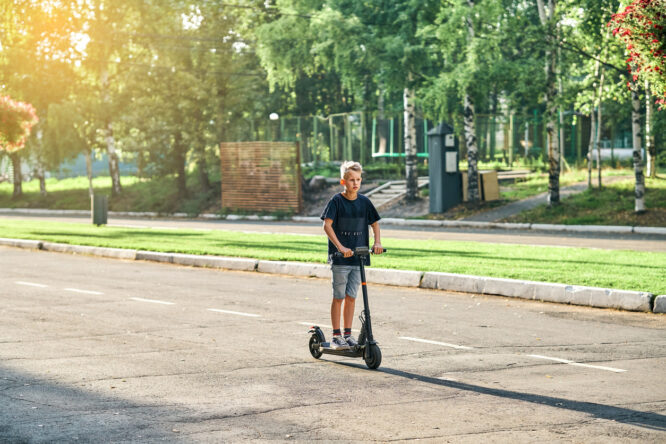
E-scooter injuries among children are climbing at an alarming rate across the country, with new research revealing that nearly 500 youngsters have been admitted to major trauma centres in Liverpool, Manchester, and Sheffield since 2019. Medical teams are seeing a steady stream of broken bones, facial wounds, and serious head injuries, frequently linked to privately owned scooters being ridden on public roads and pavements where they’re technically banned.
With hospital numbers showing no sign of slowing down, front-line doctors and road safety campaigners are putting fresh pressure on ministers to overhaul existing transport laws and crack down on safety standards before more families end up in A&E.
Research revealed the disturbing reality of e-scooter accidents.
Researchers behind the study, published in the Emergency Medicine Journal, tracked e-scooter related injuries reported to trauma centres across three major cities. The average age of those injured was 12, with half falling between 10 and 13 years old. Fewer than 2% of injured riders had been wearing a helmet at the time of their accident.
The research explicitly calls for greater public awareness, clearer public health messaging, and a formal review of government legislation to help prevent further injuries and deaths going forward.
The current law around e-scooters is crystal clear.

At present, e-scooters are only legal on British roads if rented through companies taking part in government-backed trial schemes, which require riders to hold a valid driving licence and cap the vehicle’s top speed. Private e-scooter use on public roads is still banned, and police are expected to seize any found being ridden illegally on streets or pavements.
Despite this ban, an estimated 1.2 million people across England are thought to own a private e-scooter, many of which are sold openly by well-known retailers, creating a large gap between what’s legally permitted and what’s actually happening on Britain’s streets.
The human cost behind the statistics can’t be overstated.
Behind the data sit real, devastating losses. Figures from the Parliamentary Advisory Council for Transport Safety recorded 59 e-scooter related fatalities across the UK between July 2019 and July last year, ten of which involved people aged 18 or under. The youngest victim was just nine years old.
Department for Transport figures show the trend moving in the wrong direction too, with ten deaths linked to e-scooter collisions last year compared to six the year before. Total casualties from e-scooter collisions also rose, reaching 1,477 last year compared to 1,390 in 2024, including 43 cases involving children under the age of ten. Boys between 10 and 19 were identified as the group most commonly involved in these incidents.
The severity of injuries being recorded is alarming.
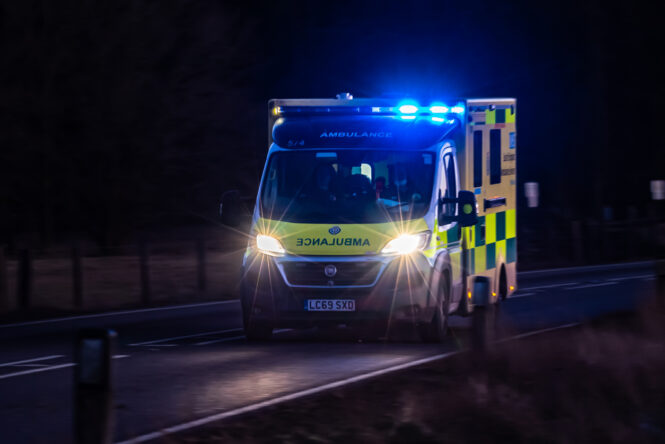
The types of injuries logged paint a stark picture of just how dangerous these collisions can be. Recorded injuries included four puncture wounds, 73 head injuries, and nine cases involving a broken neck or back.
Recent NHS trauma data adds further weight to these concerns, showing that e-scooter riders face a significantly higher risk of severe brain and organ injury compared to both cyclists and motorcyclists involved in road incidents. Part of the danger comes down to the design of the vehicles themselves, since their small wheels can easily catch in potholes or uneven surfaces, potentially throwing a rider forward over the handlebars with little warning.
What campaigners are pushing for
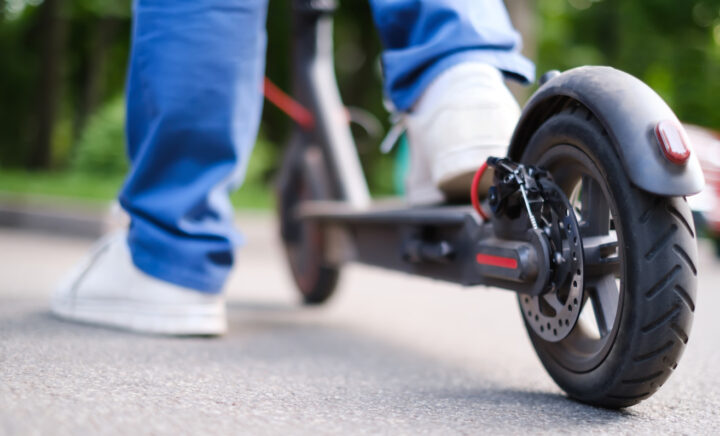
Family members of those affected by fatal e-scooter collisions have called for the government to introduce a proper licensing scheme, complete with registration plates, mandatory helmets, compulsory insurance, and a minimum age limit for riders. The argument is that legalising e-scooters under a strict regulatory framework would actually allow far tougher enforcement than the current outright ban, which is widely acknowledged as being poorly enforced in practice.
Transport policy voices have echoed similar calls, arguing that central government needs to move past years of ongoing trials and finally deliver a clear regulatory framework for both local councils and riders, backed by visible, consistent police enforcement on the ground.
How the government has responded

In response to these findings, the Department for Transport described the figures as concerning, extending sympathy to anyone injured on Britain’s roads. It reiterated that private e-scooters remain illegal on roads, pavements, and other public spaces, including specifically for anyone under the age of 16.
The department confirmed that new legislation is currently being developed to make e-scooter use both safer and legally recognised, including a formal consultation on requirements such as mandatory helmet use. Whether this results in meaningful, enforced change remains to be seen, particularly given how widely private e-scooters are already being used across the country despite the existing ban.