“Global home.” “No key concept.” “Living philosophy.”

These glossy buzzwords have been popping up all over the travel industry lately, almost always tied to ultra-luxury hotels chasing a seamless, frictionless aesthetic. On paper, ditching traditional room keys sounds like the ultimate touch of modern hospitality, but the trend is drawing sharp criticism from solo travellers in particular. What hoteliers market as a relaxed, home-like environment often strips away the single most important thing a hotel room provides: the simple, reassuring peace of mind that comes with locking your own door.
What does the “no key” concept actually involve?

The idea behind keyless hotels is to recreate the feeling of staying in someone’s private home rather than a traditional hotel, and it likely works better in intimate settings, think three or four bedroom guesthouses rather than sprawling resorts. Increasingly, though, the concept is being applied to much larger properties too.
Marrakech’s El Fenn is one example, spanning more than 40 rooms across eight interconnected riads, and Antigua’s Jumby Bay Island, a 5-star resort, reportedly operates along similar lines. Scaling the idea up to properties this size raises very different questions to a small, family run guesthouse where everyone knows each other.
Solo travellers in particular are incredibly worried.
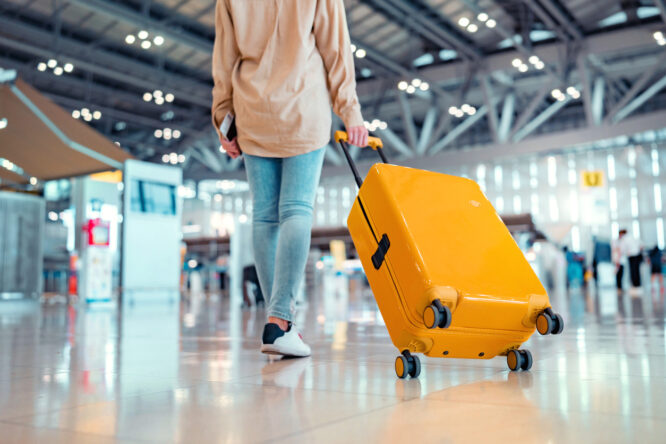
The concern here isn’t really about hotel staff, who typically still carry keys and move around properties much as they would in any other hotel. The worry is about other guests, and in places like El Fenn, which runs a restaurant open to non-guests, the possibility of random people wandering in off the street entirely.
For anyone travelling alone, that risk feels sharper. Heading out to explore a new city becomes harder to fully enjoy knowing a laptop, passport, jewellery and other valuables are sitting in a room with no lock, especially when there’s no travel companion around to help sort things out if something does go missing.
Practical concerns solo travellers weigh that others might not

Much of the hospitality industry designs these kinds of trends around an aspirational feeling, chasing an atmosphere that feels relaxed and effortless, more like staying with friends than checking into a hotel. But travelling alone tends to shift the lens toward something far more practical.
Solo travellers are constantly weighing who can access their room, whether an area feels safe after dark, and whether reception is staffed through the night. None of those considerations disappear just because a property has beautifully styled interiors or a price tag suggesting exclusivity.
Safes aren’t always a real solution.

Plenty of these properties do offer an in-room safe as a workaround, though it’s often too small to fit something as simple as a laptop. Even when it does fit, constantly locking and unlocking a safe throughout a stay isn’t exactly practical day to day.
Most travellers want to leave jewellery out on the bathroom counter while getting ready, or a laptop open on the desk to jot down notes or get some work done. Creating a homely atmosphere shouldn’t have to come at the cost of that basic convenience and security.
The key itself is more important than it seems.
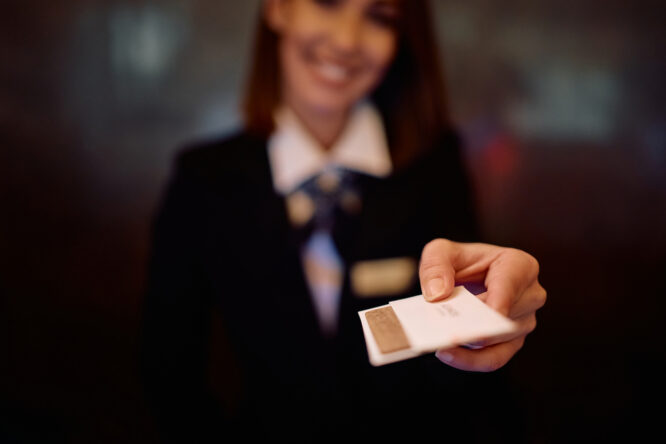
A welcoming atmosphere and solid security aren’t mutually exclusive, and leaving rooms unlocked introduces a risk that’s simply unnecessary. In fact, a room key might be one of the most underrated parts of any hotel stay, whether it’s a traditional brass key, a smart fob, or even a discreet wooden key card.
The object itself sends a clear signal to guests: this space belongs to them, and only them, for the length of their stay. The best hotels have long understood that atmosphere and security were never actually in competition with one another.
The basics still matter most when travelling.
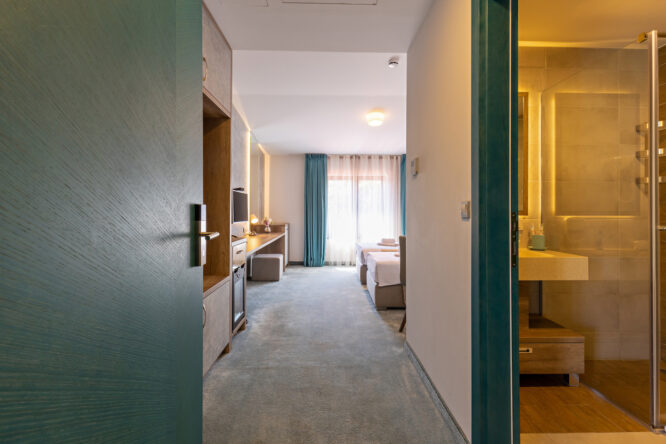
There’s a rising trend in travellers seeking out unique, characterful accommodation over standard hotel chains, but when it comes to security, particularly for anyone travelling alone, safety needs to come first regardless of how a property markets itself. Being able to lock a door remains fundamental to keeping both yourself and your belongings safe while away from home.
Hospitality is full of trends that come and go, but certain conventions have stuck around for decades because they solve a real problem. Room keys were never designed to be glamorous or disruptive, they exist simply because they work, and sometimes the most valuable thing a hotel can offer a guest isn’t a concept or a philosophy, it’s peace of mind.