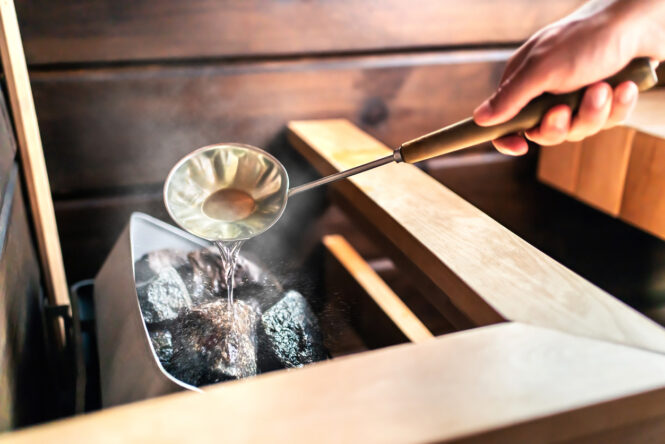
When summer temperatures soar, spending time inside a stifling, 80 °C wooden box sounds like absolute madness.

And yet, a growing body of research into heat acclimation suggests that deliberate exposure to extreme heat can actually help your body handle warmer weather far better when you’re back outside. By training your cardiovascular and cooling systems to handle high thermal stress in a controlled setting, routine sauna sessions might just make those muggy July and August days feel surprisingly manageable.
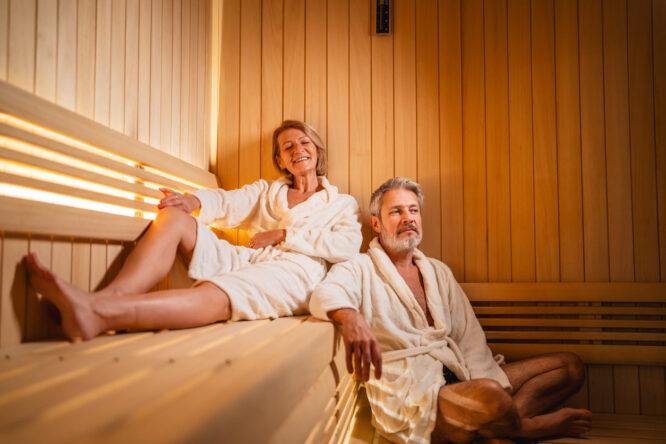
Believe it or not, sitting in intense heat can help reset your internal thermostat, and sweating it out in a sauna could be your secret weapon for beating the summer heat.
Sauna usage to acclimate to higher temperatures is an idea that’s picking up steam.
Parts of the UK have already been through their fourth heatwave of the year, with health alerts issued across much of England as temperatures climb. Western Europe as a whole has just come through its hottest June on record, which has pushed a lot more attention onto how people can actually prepare for extreme heat rather than just endure it.
Interestingly, sauna bookings dipped as temperatures first started rising, which makes sense if you’re associating a hot box with more heat you don’t need. But bookings have since bounced back, with venues offering outdoor saunas paired with cold plunges reporting real demand from people who say cycling between the two leaves them feeling better afterwards.
The science behind heat training is pretty solid.
The idea of deliberately exposing your body to heat to build tolerance isn’t new, it’s been used in sports physiology for years, with athletes training in hot conditions before competing somewhere sweltering. What’s newer is the idea that passive heat exposure, like sitting in a sauna or soaking in a hot bath, might trigger similar physical changes without needing to actually exercise in the heat.
Regular heat exposure appears to train the body to sweat earlier and more efficiently, improve blood flow to the skin, and even expand the volume of plasma in your blood. Together, these changes seem to reduce the strain placed on your heart and circulation the next time you’re exposed to heat, essentially teaching your body to regulate its temperature more smoothly.
It’s not just physical—it changes behaviour too.
Beyond the physiological changes, becoming used to heat seems to change how people actually behave once they’re in it. People who are regularly exposed to heat tend to pace themselves better, drink water more consistently, and pick up on their own warning signs of overheating much earlier than someone who isn’t used to it.
That behavioural change might end up mattering just as much as the physical adaptations. Recognising early signs of struggling with heat, rather than pushing through until you’re in real trouble, is a big part of staying safe during dangerous temperatures.
This doesn’t work equally well for everyone.

Not everybody’s body responds to heat training the same way. These adaptations depend heavily on your ability to increase sweating and blood flow to your skin, which varies a lot between individuals depending on fitness, age and underlying health.
There are also clear safety concerns for certain groups. Anyone dealing with an acute illness or fever, unstable angina, a recent heart attack, or uncontrolled low blood pressure has been advised to steer clear of saunas and hot baths entirely until they’ve been properly assessed or treated by a doctor.
How much heat exposure actually helps?
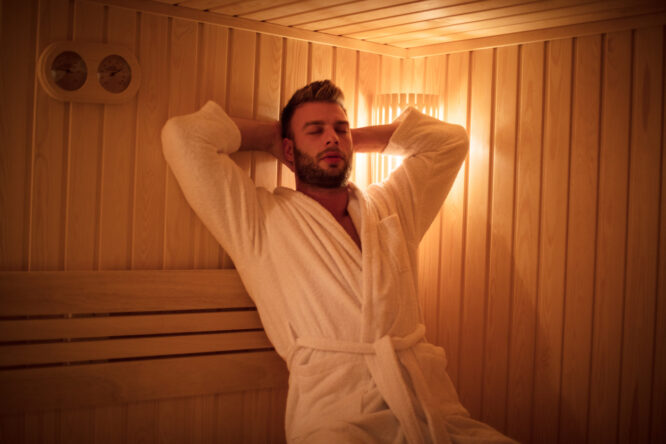
Based on current research, meaningful heat training typically takes somewhere between 40 and 60 minutes of heat exposure a day, repeated for at least four to six days in a row. The benefits from that kind of training tend to last around a week, though sticking with it for longer periods appears to make the effects last even longer.
That’s a fairly specific and consistent commitment, not a single sauna visit squeezed in before a heatwave arrives. It’s closer to a training block than a quick fix, which is an important distinction that’s easy to miss amid all the recent sauna marketing.
Unfortunately, a sauna won’t save you on the hottest day.

Here’s the important catch. Heat adaptation and heat protection are two very different things, and there’s currently limited evidence that jumping in a sauna during an actual heatwave protects you from heat related illness in the moment. The real benefits come from building up tolerance gradually over time, not from using a sauna as some kind of emergency treatment when it’s already sweltering outside.
Heat acclimation works best as preparation during milder weather, not as a coping strategy for the single hottest day of the year. Treating a sauna session like a shortcut through an already brutal heatwave misunderstands what the research is actually showing.
Stacking heat on heat can be risky.

One of the bigger issues with using a sauna during an actual heatwave is that there’s no real recovery involved. You’d essentially be stacking one thermal challenge directly on top of another, on a body that’s likely already dealing with several nights of poor sleep, some level of dehydration, and cumulative strain on the heart from days of heat exposure already.
That combination is exactly the profile where heat related illness tends to develop. Piling extra heat exposure onto a body that’s already struggling to cope isn’t preparation, it’s simply adding more risk on top of an already difficult situation.
There are things we still don’t know.

Much of the research supporting heat training has been carried out in controlled lab settings, where temperature is carefully monitored, exposure time is strictly limited, and someone is present throughout the entire session. That’s a very different environment to someone running a hot bath at home alone with no supervision.
It’s not yet clear how safely or effectively these findings translate to people doing this unsupervised in their own homes, and the most immediate risk in that setting is fainting. Without the same level of monitoring used in research studies, it’s harder to know exactly where the line between helpful and risky actually sits for any one individual.
Staying cool during a heatwave is vital.
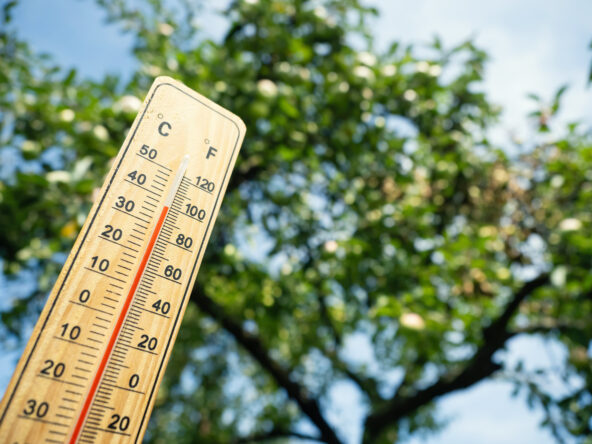
Regular heat exposure isn’t a replacement for the basics that keep people safe during extreme heat. Staying properly hydrated, avoiding strenuous activity during the hottest part of the day, and keeping an eye on vulnerable friends, family, or neighbours remain by far the most important things anyone can do when temperatures spike.
If you’re already someone who enjoys regular sauna use, there’s reasonable evidence it could offer some benefit over time when done consistently and safely. But it’s a long-term habit worth building during calmer weather, not something to reach for as a quick fix once a heatwave has already arrived on your doorstep.