New research is raising an uncomfortable question about how workplaces actually judge people.

Sadly, and perhaps unsurprisingly, it has remarkably little to do with skills, qualifications, or years of experience. A Harvard economist tracking women using GLP-1 weight loss medications found a striking pattern in their job prospects after taking the drugs, uncovering a direct link between weight loss and career advancement.
The findings paint a stark picture of the hidden penalties women face in the professional world, showing how deeply ingrained weight bias still dictates hiring decisions, salary negotiations, and promotions. It says far more about systemic workplace prejudice than it does about individual health or capability. Here’s what the study revealed and why its implications stretch far beyond the specific medication involved.
GLP-1 use has grown enormously in recent years.
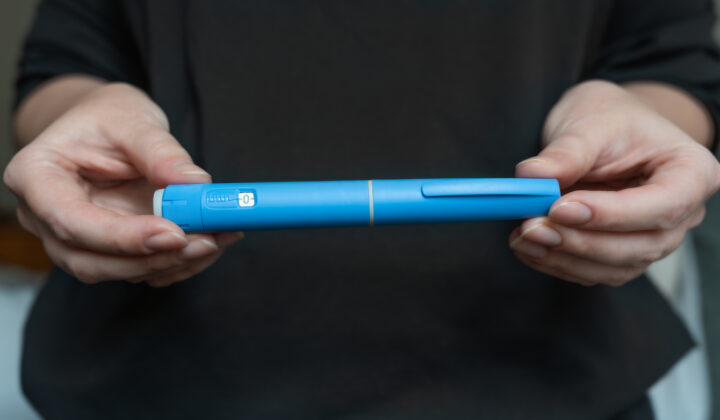
Since 2024, the number of people using GLP-1 medications has quadrupled, with usage in the United States now at an all-time high. More than 11% of American adults currently take these medications for weight loss, with roughly 15% reporting they’ve used one at some point.
Most of the public conversation around this surge has focused on healthcare and personal weight loss outcomes. This new research suggests there’s another, less discussed side to the story, one connected to how people are treated once their body size changes.
Unemployed women saw a striking jump in job prospects.

The study, led by Harvard economist Rebecca Diamond, followed women who began taking GLP-1 medications for weight loss. Among those who weren’t employed when they started treatment, employment rates rose by nearly 27 percentage points after 18 months, compared with women who wanted to start the medication but hadn’t yet begun.
It’s worth noting the study focused specifically on women, and didn’t include men in its findings. Even so, a jump of this size is noteworthy enough to warrant a closer look at exactly what’s driving it.
Women already employed saw no similar boost.

If weight loss simply made people healthier, more energetic or more productive at work, you’d expect to see career improvements among women who were already employed too. That’s not what the research found.
Women who already had jobs when they started treatment showed no major upward movement in their careers, no sudden promotions or noticeably better job offers tied to their weight loss. The benefit appeared almost entirely among women trying to enter new jobs or relationships, rather than those already established somewhere.
This points to a bias that shows up specifically during first impressions.

Because the boost only appeared among women entering new situations, rather than advancing within existing ones, the researcher argues this looks like a first impression bias rather than a productivity effect. In a typical hiring process, decisions often get made within minutes, based on how someone looks and carries themselves before their actual skills come into play.
Once colleagues get to know someone’s work ethic, intelligence and capability over time, their body size becomes just one small detail among a huge amount of other information. A stranger meeting someone for the first time, whether that’s a hiring manager or a potential partner, doesn’t have any of that context yet.
The same pattern showed up in personal relationships too.

Beyond employment, the study found that single women who started GLP-1 treatment saw an increased chance of getting married or moving in with a partner, by as much as 28.6 percentage points. Women who were already in relationships when they started treatment saw no similar change.
This mirrors the employment findings almost exactly, reinforcing the idea that the effect is really about how strangers respond to a first impression, rather than anything about the women’s underlying qualities changing.
The real issue isn’t weight loss, it’s how bias operates.

It would be easy to misread this research as suggesting women should consider weight loss medication specifically to improve their career prospects. That’s not the intended takeaway. Instead, the findings point toward an appearance bias that’s been largely overlooked compared to other forms of workplace bias.
Discussions around bias in hiring have covered race, gender, age, and disability extensively over the years, but weight bias has received considerably less attention by comparison. Vague corporate language, like phrases such as executive presence, polished, or culture fit, can end up functioning as a socially acceptable way of talking around appearance without naming it directly.
Vague hiring language can quietly let bias slip through.

Without clearly defined criteria behind terms like these, they risk becoming a loophole through which unconscious preferences shape hiring decisions, all while sounding entirely professional and objective on the surface.
This isn’t an entirely new concern, either. Separate research from Harvard in 2023 examined a similar pattern involving facial attractiveness, sometimes referred to as pretty privilege, finding it can offer a real advantage in the workplace too, though its benefits also appear to have real limits.
The clearest takeaway is about who gets overlooked, not who loses weight.
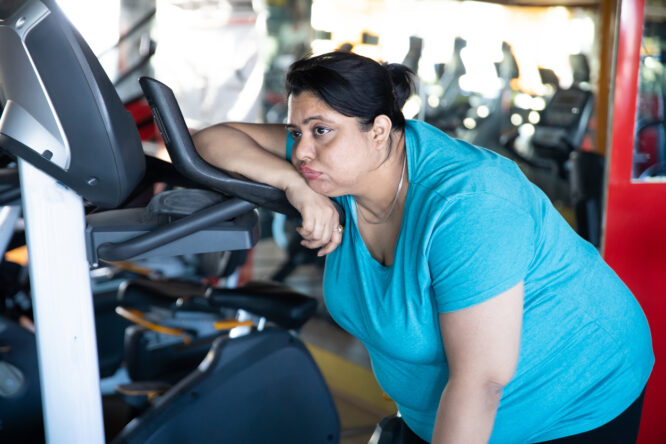
What makes this research particularly striking is that the same woman, with essentially identical education, experience and professional ability, can be treated noticeably differently by the world simply because her body size changed. Nothing about her actual competence changed in that time.
For employers and hiring managers, this points toward a useful next step, examining structured interview processes, setting clearly measurable hiring criteria, and questioning subjective terms like executive presence whenever they can’t be directly tied to actual job performance.
Many qualified women may have been overlooked all along.

Perhaps the most uncomfortable conclusion from this research isn’t that losing weight helped some women find work. It’s the possibility that many of these women were qualified for those roles well before any change in their body size took place.
The workplace simply may not have recognised that qualification at the time, based purely on how their bodies were perceived. That’s an important distinction, moving the conversation away from individual choices about weight loss and firmly toward how fairly, or unfairly, workplaces actually evaluate the people in front of them.