The pull of surfing is addictive once you catch your first real wave, and it doesn’t take long before a holiday starts getting planned entirely around where the swells are best.
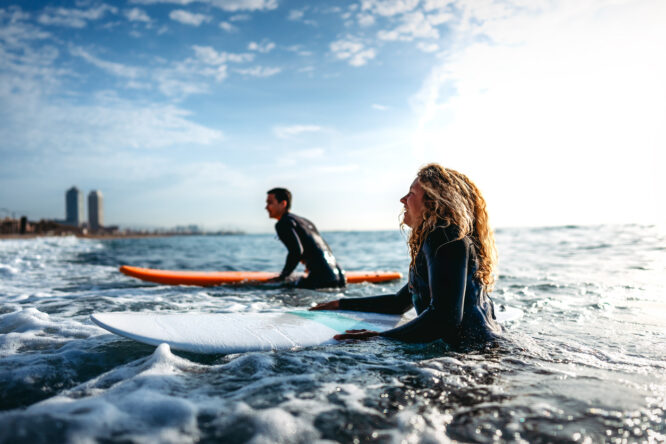
Whether you’re a seasoned surfer looking for heavy, hollow barrels or a beginner just looking to catch your very first clean green wave, the right destination makes all the difference. From world-famous point breaks in Australia and legendary reef breaks in the Pacific to rugged, wind-swept Atlantic bays closer to home, the global surf scene offers an incredible variety of waves for every skill level. These are some of the best places on earth to wax your board and catch the ride of a lifetime.
St Ives offers a different bay for every kind of day.
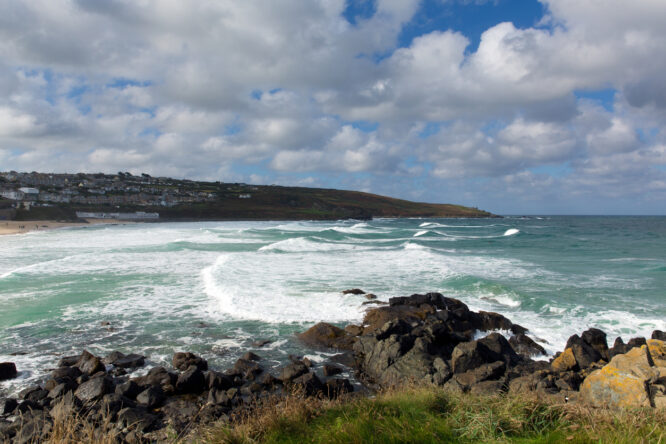
Cornwall’s rugged coastline means St Ives has surf spots facing multiple directions, making it easier to find good conditions regardless of the UK’s unpredictable weather. Porthmeor Beach works particularly well for beginners, sheltered from the fiercest southwesterly winds and sitting right next to the town centre.
A short drive away, the quieter Gwithian Beach offers longer rides back to shore for anyone wanting a bit more space. Local surf schools also offer coasteering and paddleboarding as backup options for days when the waves aren’t quite cooperating.
Tamarin Bay gives total beginners a gentle start.
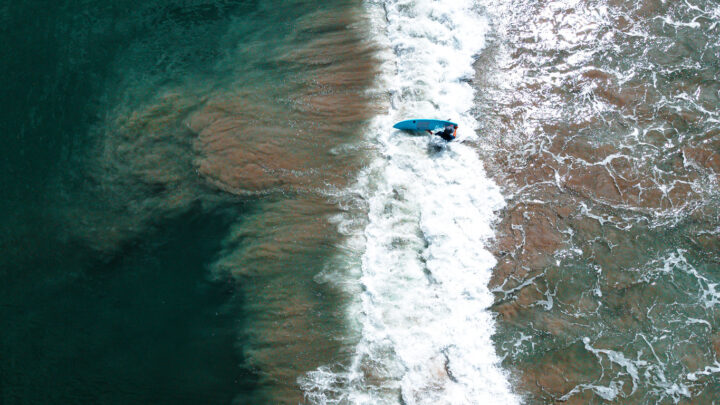
Mauritius isn’t the first place most people think of for surfing, largely thanks to a reef that breaks waves well offshore. Tamarin Bay is one of the few spots on the island where beginners can properly learn, helped by a soft, sandy sea bed that makes falling off far less painful. Southeasterly trade winds bring consistent swells throughout the winter season, and going with a local Mauritian surf school tends to give newcomers the best possible introduction to the sport.
Bristol’s Wave delivers reliable waves every single time.
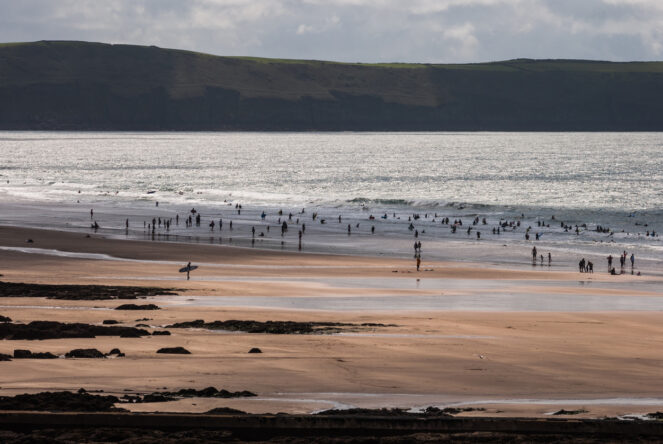
Unpredictable conditions can make or break a normal surf trip, which is exactly the problem Bristol’s inland surf centre solves. Powerful mechanical paddles generate smooth, consistent waves up to a thousand times an hour, meaning surfers never have to worry about flat or messy conditions ruining their session.
Beginners can practice closer to the shallow end, while more confident surfers can head deeper for faster, higher waves. Combined with Bristol’s lively music scene, it’s become an appealing city for surf enthusiasts to base themselves.
Bondi Beach delivers a bucket list surfing experience.
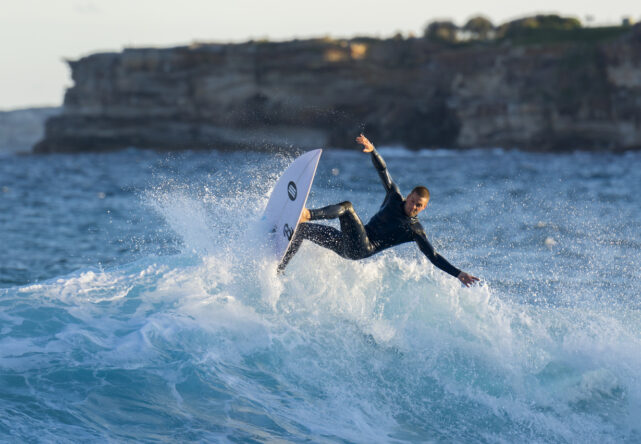
Sydney’s famous stretch of golden sand welcomes surfers of every level, not just those chasing a postcard photo. Beginners tend to head toward the northern end, where waves stay smaller and the water more sheltered, while the southern tip brings powerful swells right alongside the well known Bondi Icebergs saltwater pool. Beyond the water itself, Bondi’s relaxed beachside culture adds to the appeal, with plenty of casual pizza spots and quality coffee shops within easy walking distance of the sand.
Ericeira offers a welcoming surf community.
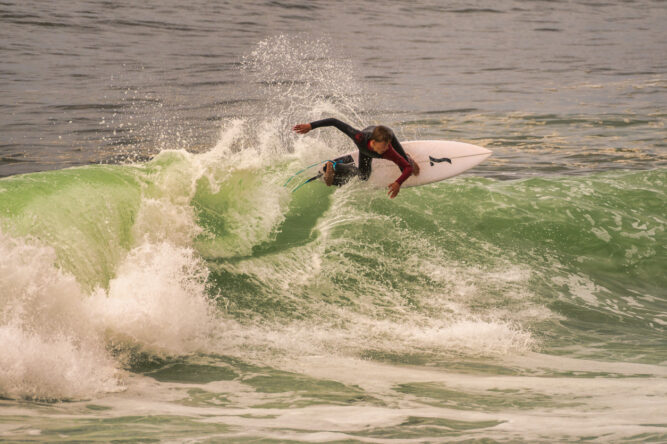
As Europe’s first officially recognised World Surfing Reserve, this Portuguese town combines consistently good waves with a friendly surf culture. Summer tends to suit beginners best, with calmer waves along its 5-mile coastline, while more experienced surfers should aim for autumn instead, when crowds thin out and swells pick up in power.
Ericeira also sits conveniently close to Nazaré, where the very best surfers tackle some of the largest waves in the world, reaching up to 15 metres high, alongside easy access to Lisbon for anyone wanting a city break alongside their surf trip.
Hikkaduwa pairs strong swells with really great food.
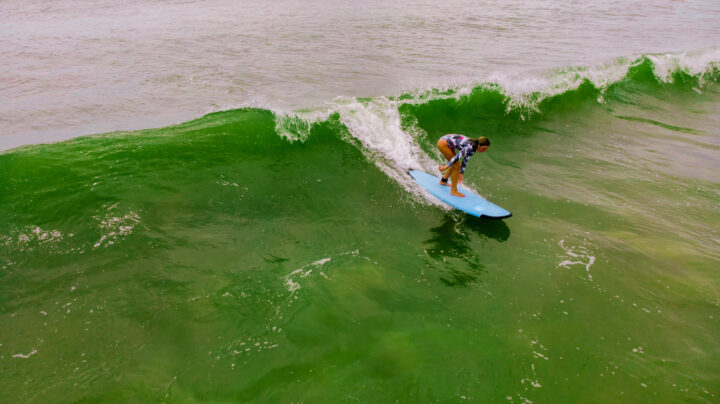
Winter is the ideal time to surf Sri Lanka’s southwest coastline, and the fishing village of Hikkaduwa offers breaks suited to every skill level. Beginners can practice near the golden sands of Narigama Beach, while more experienced surfers head toward the harbour walls for longer, more technical left-handed rides. Even on days when the waves stay flat, Hikkaduwa’s coral reef offers excellent snorkelling and diving, including opportunities to spot sea turtles up close.
Taghazout suits keen surfers chasing a proper Atlantic session.
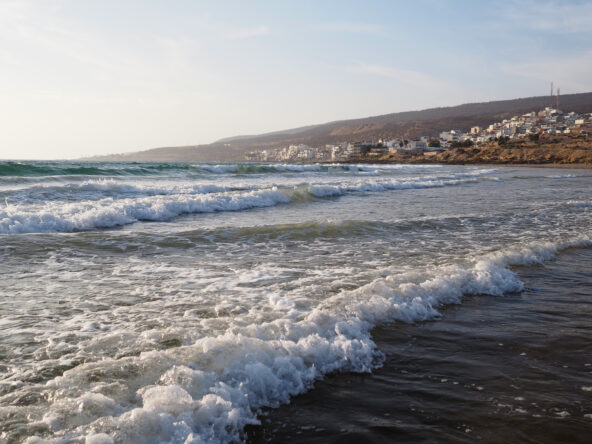
Morocco’s unofficial surf capital sits close to Anchor Point, one of the country’s most famous breaks, capable of producing rides up to five hundred metres long during winter. Summer brings gentler conditions instead, with plenty of beach and reef breaks suited to less experienced surfers. Accommodation ranges from lively surf camps to beautiful traditional riads, though a rooftop terrace is worth prioritising, ideal for morning yoga sessions and a glass of sweet Moroccan mint tea at sunset.
Nosara appeals to surfers who also want proper wellness time.
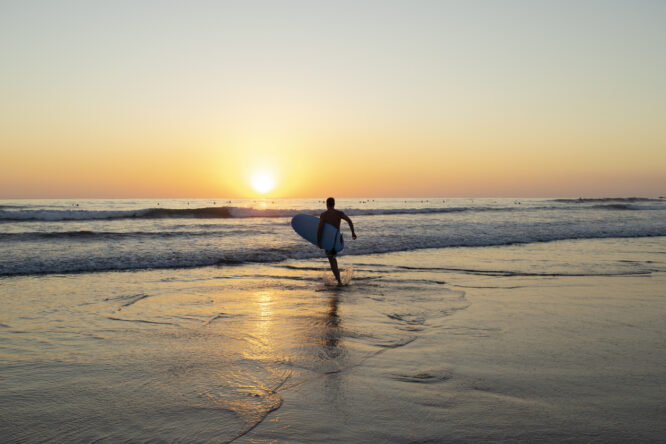
This spot on Costa Rica’s Pacific coast reportedly offers surfable waves on around three hundred and thirty days of the year, with average wave heights suited to surfers who already have some experience under their belt. Playa Guiones remains the most popular practice spot, though its 4-mile stretch of coastline offers plenty of room to spread out. Like much of Costa Rica, Nosara leans heavily into ecotourism, making it easy to combine a surf trip with a visit to a local wildlife sanctuary or a relaxing, naturally sourced spa treatment on a rest day.