Old, unwanted items sitting around the house don’t always need to head straight for the bin.

With a bit of creativity, plenty of everyday clutter can be turned into something practical and stylish, saving you money while keeping useful materials out of landfill. Whether you’re dealing with worn-out clothes, leftover building materials from a past project, or random bits gathering dust in the loft, almost anything can be given a second life if you look at it with fresh eyes. Here are 10 clever upcycling ideas worth trying, complete with simple ways to get stuck in.
Turn old jeans into a handy work apron.

Denim is one of the most durable fabrics you can buy, which is why throwing out an old pair of jeans just because they’ve got a tear in the knee or don’t fit right seems like a waste. By cutting away the legs and keeping the waist, back pockets, and sturdy seams intact, you can turn a forgotten pair of trousers into a heavy-duty apron. The existing pockets are already perfectly placed to hold secateurs, screwdrivers, or paintbrushes, giving you a tough apron that handles rough jobs far better than thin shop-bought alternatives.
Turn a stuffed toy into a doorstop.

If you have old soft toys tucked away in a cupboard, perhaps left over from when the kids grew up, they can easily be repurposed instead of sitting around gathering dust. By making a small cut along a back seam, you can pull out the lightweight stuffing and replace it with a heavy filler like dry rice, sand, or smooth pebbles wrapped in a sealed plastic bag. Sew the seam back up, and you’re left with a heavy, characterful doorstop that holds draughty doors open while keeping a bit of sentimental nostalgia around the house.
Turn an old cable reel into a coffee table.

Heavy wooden cable reels, often left behind on building sites or sold cheap at reclamation yards, make fantastic rustic coffee tables. The flat wooden top offers plenty of space for books, drinks, and plants, while the central column can be wrapped in thick rope for a textured finish. You can easily sand down the wood to keep it natural, or apply a dark stain for an industrial look. Adding a set of small castor wheels to the bottom makes it easy to move around the living room whenever you need extra floor space.
Turn an old duvet cover into a rug.

When bedsheets and duvet covers start to wear thin or fade in the wash, turning them into cleaning rags is usually the default option. However, if you cut the fabric into long, uniform strips, you can weave or knot them together to create a soft, machine-washable rag rug. This works well for utility rooms, kitchens, or doorways where you need something hard-wearing that catches dirt. It’s a satisfying project that turns bulky cotton into a thick, colourful rug without costing a penny.
Turn cake tins into a tiered organiser.

Old metal cake tins or muffin trays that have lost their non-stick coating don’t need to be scrapped. By stacking two or three different-sized tins on a wooden central rod or a candleholder, you can create a tiered worktop organiser. It’s ideal for catching kitchen odds and ends, keeping spice jars neatly arranged, or sorting makeup and hair ties on a bedroom dresser. A quick coat of spray paint ties the whole thing together, making it look like an intentional piece of homeware, rather than old baking equipment.
Give tired wooden furniture a fresh makeover.
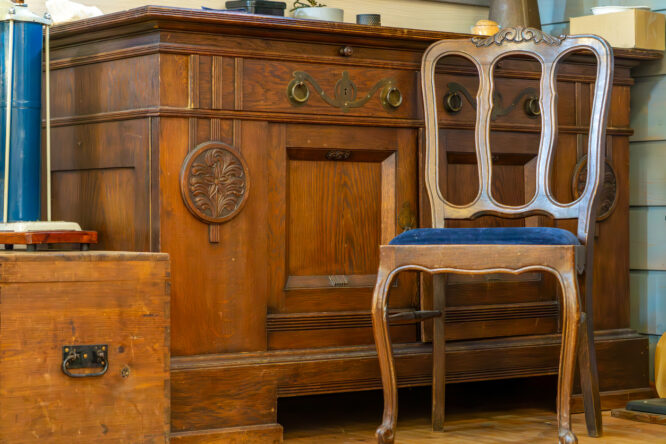
Solid wooden furniture from decades past is often made far better than cheap flat-pack alternatives, even if the dark varnish or scuffed finish looks dated. Instead of replacing an old chest of drawers, sideboard, or bedside table, you can completely transform it in a single weekend. Give the surfaces a light sand, apply a coat of chalk paint in a soft neutral tone, and swap out the old brass handles for modern ceramic or black metal pulls. It costs a fraction of the price of buying new furniture and lets you tailor the finish to match your room perfectly.
Turn tin cans into pretty plant pots.

Metal food tins from baked beans, soup, or chopped tomatoes are practically indestructible and the ideal shape for potted plants. Once you’ve washed them out and smoothed down any sharp inner edges, drill a couple of small drainage holes in the bottom. You can paint the outside with leftover masonry paint, wrap them in twine, or leave them plain for a clean, utilitarian look. They work well on sunny window sills for growing fresh herbs like basil and parsley, or for potting up small cacti and succulents.
Create your own blackboard for reminders.
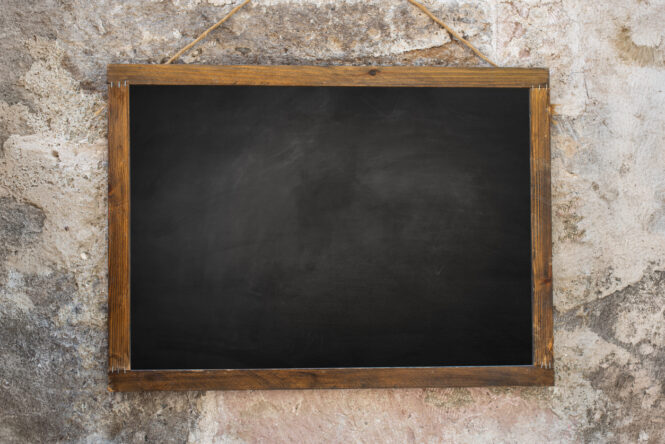
Instead of letting scrap plywood or an old wooden picture frame go to waste, you can convert it into a reusable message board for the home. Applying a couple of coats of black chalkboard paint turns almost any flat, smooth surface into an easy-to-clean slate. Hanging one in the kitchen or hallway gives the whole household a clear spot to jot down weekly meal plans, shopping lists, or daily reminders, keeping paper clutter off the kitchen counters for good.
Turn spare bricks into small planters.
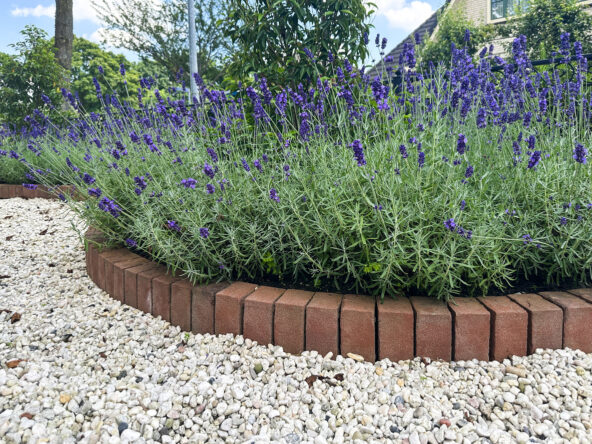
If you have leftover house bricks or paving blocks lying in a messy pile in the garden, you can put them to work as mini planters for small plants. Standard house bricks often have hollow core holes running through them, which happen to be the exact depth needed for slow-growing succulents and alpines. Fill the cavities with a gritty compost mix, pop in a few small plants, and line the bricks along a garden wall or patio edge to add interest to a plain corner of the yard.
Turn wine corks into decorative coasters.

Natural wine corks are designed to withstand moisture, which makes them ideal for absorbing heat and spills around the house. If you save up two or three dozen corks, you can slice them in half lengthwise and glue them down onto a piece of sturdy card or felt backing. Arranging them in a simple herringbone or grid pattern creates a thick, heat-resistant coaster or teapot stand for the dining table. It’s a quick, simple craft project that turns everyday rubbish into a useful household accessory.