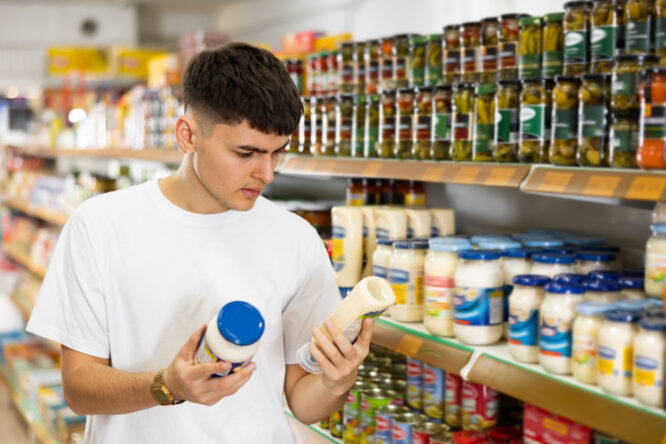
Ever popped into the supermarket for one thing and somehow left with a full trolley and a receipt three times longer than you expected?
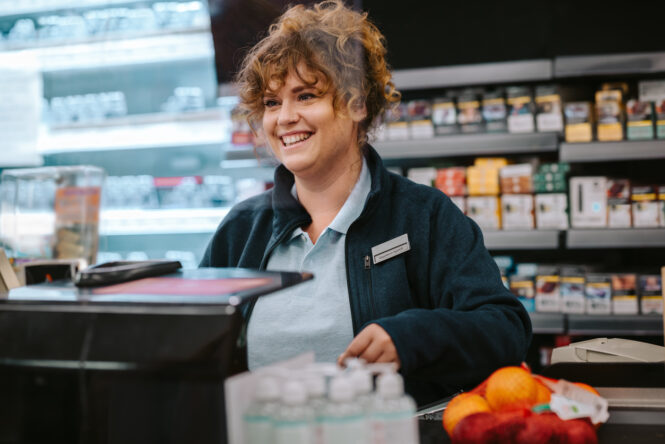
You’re not imagining it, and it’s not really your fault either. Supermarkets are cleverly designed using a handful of psychological tricks that subtly nudge you towards spending more than you planned. A psychologist has broken down exactly how these tactics work, and once you know what to look for, you’ll probably start spotting them everywhere.
The essentials get moved to the back of the shop.
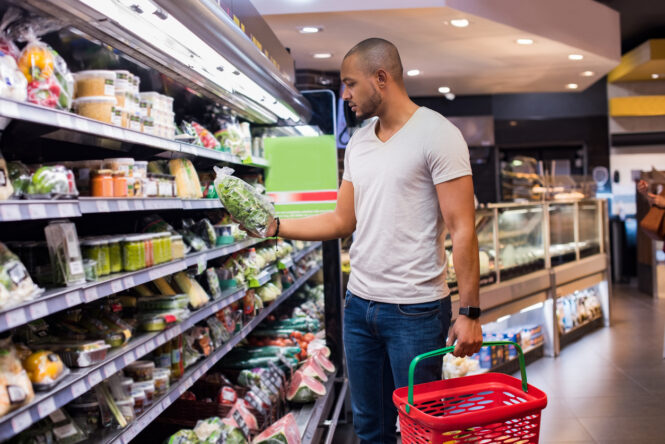
Ever notice how milk, bread, and eggs always seem to be tucked right at the back of the shop, no matter which branch you visit? That’s rarely an accident. Shoppers end up walking past almost everything else in the store before reaching the everyday items they actually came in for.
Along the way, offers and displays are deliberately placed to keep your attention high as you make your way through the shop. A retail expert explained that most shoppers actually believe they’re making independent choices, when in reality what’s visible along the route has a huge influence on what ends up in the trolley.
The layout changes more often than you’d think.

You know exactly where to find your usual items, until one day everything’s been moved, and you’re wandering the aisles trying to relocate the pasta. That confusion isn’t a coincidence, either. Moving the layout around increases uncertainty about where things are, which pushes shoppers to engage with new products or different sections they wouldn’t normally browse.
Supermarkets use this shuffling as a deliberate tool to keep people engaged and interested while they shop, and mixing things up regularly tends to mean people spend longer in store overall.
Big displays at the entrance are designed to overwhelm you.

Walking into a big supermarket can feel like sensory overload from the very first step, between bold red price labels, towering stacks of the same product, and signs urging you to buy now before it’s too late. That whole atmosphere is built to create a sense of urgency, and sometimes even mild chaos.
That mindset makes impulse purchases far more likely once you’re inside. Bright entrance displays focused on flowers, fresh fruit or big discounts are designed to put shoppers into a positive, open frame of mind right from the start, since retailers understand that shopping is often driven by emotion rather than pure logic.
The real reason behind those multi buy offers might come as a surprise.

Multi buy deals, limited time promotions, and clever product groupings aren’t just there to be helpful. They’re carefully designed to create a sense of value and convenience that nudges shoppers towards buying more than they originally intended.
Seeing a bold yellow offer sticker or a “buy two, save more” sign taps into a feeling that you’d be silly to walk away without taking advantage of it. Even if you never actually needed three of something, the sense of getting a good deal is often enough to tip the decision.
The music playing overhead isn’t random.
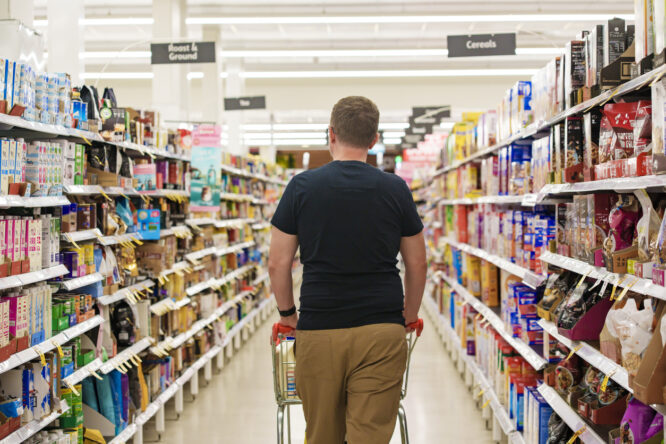
If you’ve ever caught yourself gently nodding along to whatever’s playing over the supermarket speakers, that’s not down to chance either. Supermarkets tend to choose ambient background music over recognisable songs on purpose.
Ambient music blends into the background rather than pulling your attention away from shopping, meaning you’re less likely to notice how much time has actually passed or feel any urge to rush and finish up quickly. Interestingly, research suggests music even has a more noticeably positive effect on shoppers during the week compared with weekends.
Trolley size affects how much you buy.
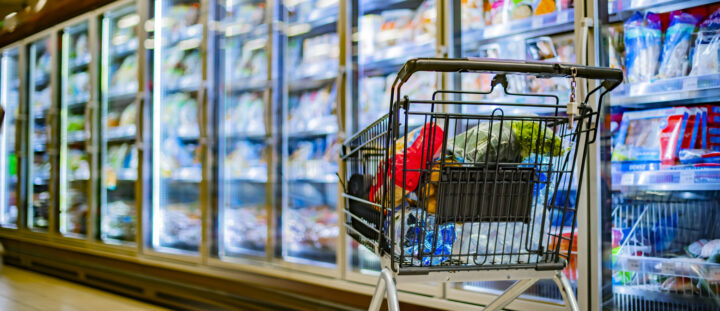
Most supermarkets offer two different sizes of trolley, but if you’ve ever struggled to find the smaller one on a particular day, there might be a reason behind that too. Larger trolleys tend to encourage people to fill them up more, often without even realising it.
There’s a subtle, subconscious feeling that a half empty trolley means you haven’t shopped properly, even when you’ve picked up everything you actually came in for. A bigger trolley quietly nudges shoppers to keep adding items just to make the trolley feel appropriately full.
Small tricks add up to a much bigger spend.

On their own, each of these tricks might seem fairly innocuous, a slightly different layout here, some background music there. But combined with other tactics like placing higher priced items at eye level and using price comparisons to make deals look more appealing, they add up to a shopping experience that’s quietly stacked against your wallet.
Obviously, that doesn’t mean you need to feel paranoid every time you walk through the doors of your local Asda, Waitrose, Tesco, etc. Simply knowing these tricks exist puts you in a much stronger position to shop with a clear head, stick closer to your list, and walk out with only what you actually came in for.