Ties used to belong firmly to the office, the school uniform, or a wedding you didn’t really want to attend.
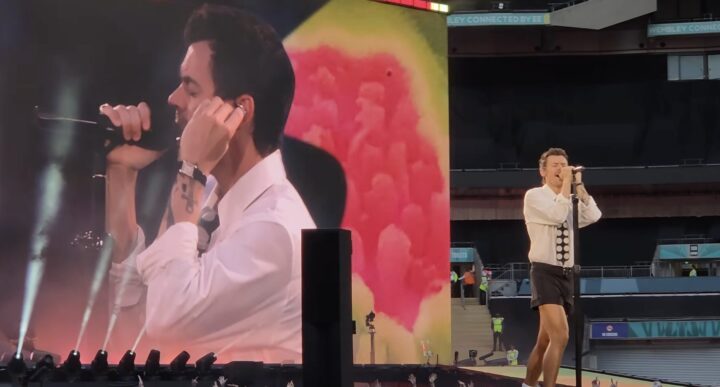
Lately, though, they’ve turned into something else entirely, popping up at pop concerts, wrapped around waists, twisted into ponytails, and even stitched together to make entire skirts. The trend has been fuelled largely by musician Harry Styles wearing them on stage night after night, and fans have run with the idea in ways nobody could have predicted. What started as a single fashion choice has turned into a whole language that fans use to spot each other in a crowd.
Harry Styles turned a wardrobe staple into a trend.
The tie trend really took off after a string of stage appearances where a colourful, floral printed tie became part of the “Watermelon Sugar” singer’s night after night. Fans in the crowd noticed, and within a few shows, ties had started appearing everywhere among the audience too. What might have looked like a one-off styling choice quickly turned into something fans were actively copying and building on.
By the time the tour reached a lengthy run of shows in London, ties were turning up in every possible form. There were ties worn properly knotted with shirts, ties slung loosely over sparkly tops, ties used as belts, ties tied around waists, and ties twisted into hair. It had become one of the most obvious ways to spot someone heading to the same show.
Ties have gone from office wear to concert fashion statement.
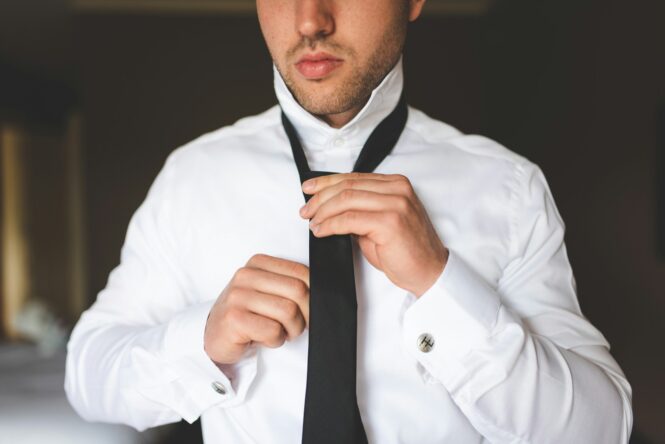
For a long time, ties were mostly associated with corporate offices, school uniforms and formal occasions, not exactly the height of exciting fashion. Being adopted by music fans has given the accessory a totally different identity, turning something fairly stiff and old-fashioned into a playful, creative accessory people actually want to wear.
Other artists have leaned into the same idea recently too, wearing ties as part of their own stage outfits, which has only added momentum to the trend. It shows how a single accessory can change meaning entirely depending on who’s wearing it and in what setting, moving from something forgettable into something fans actively seek out.
Fans are getting seriously creative with their own versions.

Rather than simply buying a tie and wearing it as is, many fans have taken things much further, turning old ties into entirely new garments. One fan built a full skirt out of 18 different ties sourced from secondhand shops and resale apps, each one decorated to reference a specific song or moment from the shows she’d attended. It took real time and effort, but that seemed to be part of the appeal rather than a downside.
Each tie in her skirt carried its own little detail, from glittery constellations referencing a song title to gems arranged to look like fireworks for another track. The final result wasn’t just a fashion piece, it was something closer to a wearable scrapbook of memories from the shows themselves, personal in a way that shop bought merchandise rarely manages to be.
Old ties are having a serious moment.

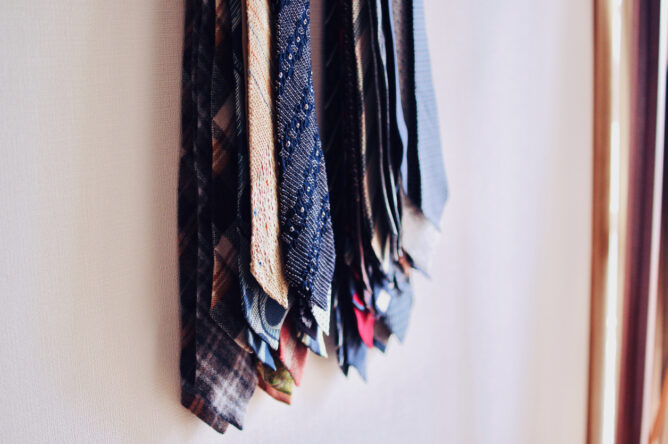
A lot of the ties showing up at these shows aren’t new at all. Fans have been raiding their dads’ old work wardrobes, digging out forgotten school ties from years ago, and hunting through secondhand shops and resale sites for options nobody else will have. Searches for retro ties on resale platforms have reportedly jumped hugely as a direct result of the trend.
There’s something quite charming about an accessory that once symbolised boredom and routine suddenly being treasured and searched for again. It’s given old, unwanted ties sitting in wardrobes and charity shops a new lease of life, turning something forgettable into something fans are actively hunting down.
A small side hustle has sprung up around it.

Where there’s a trend, there’s usually someone finding a way to sell into it, and this one is no exception. Several sellers have started customising ties specifically for fans, adding song titles, glued on letters and decorative touches, then selling them through platforms like Etsy and Instagram. One seller who spotted the opportunity early has already made and sold around two hundred customised ties, describing the work as enjoyable because every buyer wants something slightly different.
It’s a fairly low-cost way to turn creativity into a bit of extra income, especially compared to some of the more expensive merchandise options fans might otherwise buy. For sellers, it also means getting to be part of the fandom in their own way, even without attending every single show themselves.
Dressing up matters a lot to fans.

For a lot of Styles fans, the appeal isn’t really about the tie itself, it’s about what wearing one represents. Dressing up for a show has become a way of feeling like part of something bigger, a shared code between strangers who happen to be heading to the same place. Spotting someone else wearing a similar tie on a train platform or in a queue creates an instant, wordless connection before a single word is even exchanged.
It also taps into something a bit nostalgic, a sense of imaginative dressing up that a lot of people associate with being a kid rather than an adult heading to a gig. That combination of creativity, community, and a bit of playful escapism seems to be exactly what’s kept the trend going strong across an entire tour rather than fading after a single show.
It’s a subtler way of showing support than wearing merch.

Not every fan wants to walk around head to toe in official merchandise, and ties offer a quieter, more personal alternative. Wearing a tie tied to a specific song or moment lets fans show their support without spelling it out obviously to everyone around them, more of a knowing nod than a bold statement.
As one fan put it, it says you’re a fan without actually saying it outright, a subtle way of belonging to the fandom without needing branded merchandise to prove it. For anyone who prefers understated style over obvious logos, that quieter approach has clearly struck a chord.
What this says about fashion and fandom right now

This isn’t really the first time an ordinary item has been completely reinvented by fans following a particular artist, and it likely won’t be the last, either. What makes this one interesting is just how far fans have taken it, well beyond simply copying an outfit and into creative territory involving DIY skirts, customised details and secondhand hunting.
It’s a reminder that fashion trends don’t always start on a runway or in a boardroom somewhere. Sometimes they start with one small styling choice on a stage, and within a few weeks, an entire crowd has turned it into something with its own rules, its own creativity, and its own quiet way of recognising each other in public.