If you’re someone who makes smoothies regularly, you’ve probably thrown a banana in at some point.
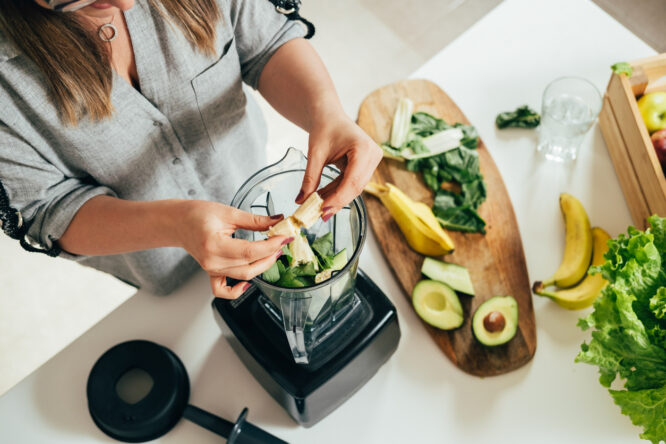
They’re cheap, they make everything thick and creamy, and they feel like a sensible addition. However, there’s some interesting research suggesting that the humble banana might actually be working against you when it’s blended with berries, and the reason is pretty surprising. While it’s not going to cause you any serious harm and bananas certainly have plenty to offer nutrition-wise, it’s the combination that’s not the best.
Bananas interfere with a specific antioxidant.
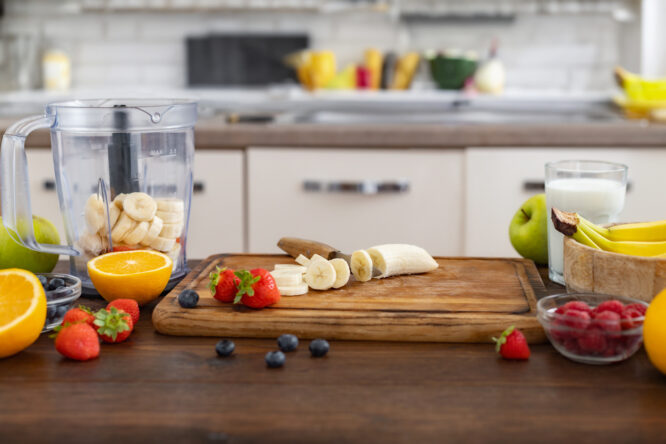
Berries are packed with compounds called flavonols, which are a type of antioxidant found in lots of plant-based foods including tea, apples, cocoa, and pears. Most of us don’t get nearly enough of them. When you eat something rich in flavonols, they get absorbed into the bloodstream fairly quickly and the body processes them into metabolites, which are the things that actually do the beneficial work, things like supporting heart health and cognitive function.
The issue is that when a banana gets involved, those metabolites seem to drop off significantly. Research from the University of California found that adding just one banana to a berry smoothie reduced the flavonol metabolites in participants’ blood by 84% compared to consuming a pure dose of flavonols. That’s not a small difference. It’s the kind of number that makes you put your banana down and ask some questions.
Why do bananas have this effect?
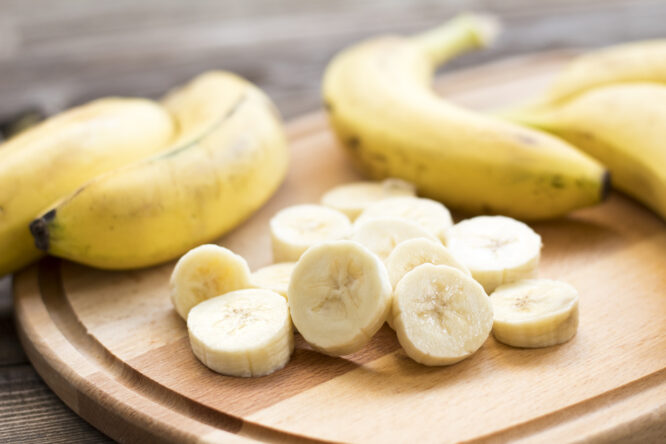
It comes down to an enzyme in bananas called polyphenol oxidase, or PPO. This is the same enzyme responsible for making a banana go brown once you’ve peeled it. It’s part of the oxidation process, and when it comes into contact with the antioxidants in berries, it essentially neutralises them before your body gets the chance to absorb them.
Think of it this way: the PPO in the banana is mopping up the good stuff in the berries before it can do anything useful inside you. Researchers found that a banana-berry smoothie left sitting at room temperature for an hour contained considerably fewer flavonols than a plain berry smoothie. When the PPO in the bananas was blocked in experiments, the flavonols stayed intact. That’s a pretty clear indication of what’s happening.
It’s not just about blending them together.
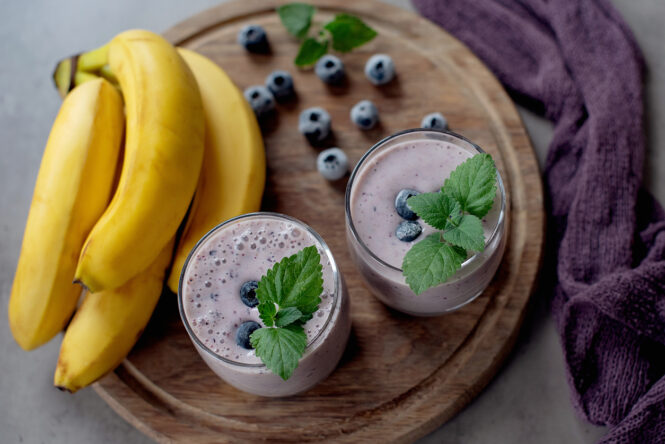
You might think the obvious solution is just to drink them separately, a banana drink in one hand and a berry drink in the other. Researchers actually tested this. Eleven participants drank the two separately at the same time, specifically so the PPO couldn’t interact with the flavonols before ingestion. Even then, the flavonol metabolites in their blood were still lower compared to having no banana at all.
That suggests the interference isn’t only happening in the blender. There’s something going on in the body too, though the research is still working out exactly what. Either way, the conclusion seems to be that banana and berry together isn’t the ideal combination if you’re specifically trying to get the most from those berry antioxidants.
How important is this really in everyday life?

It’s worth keeping some perspective here. This was a small study involving a handful of participants, all male, and it was measuring a specific type of antioxidant rather than overall nutritional value. A banana-berry smoothie is still a nutritious drink. Bananas have potassium, fibre, vitamin B6, and plenty of other things going for them. This isn’t about bananas being bad, it’s specifically about what happens to flavonols when bananas are in the mix.
The researchers themselves were clear that the findings warrant more investigation rather than being a definitive final word. But the 84% reduction figure is striking enough that it’s hard to dismiss entirely. If the main reason you’re having a berry smoothie is to load up on antioxidants, knowing this is useful information.
What you can do if you want to keep your banana

The simplest option is just to swap the banana for something else that adds creaminess without the PPO problem. Frozen mango works really well and doesn’t seem to have the same interference effect. Avocado is another option if you’re after that thick texture, though it does change the flavour profile considerably. Greek yogurt or oat milk can also add body to a smoothie without the enzyme issue.
If you really don’t want to give up the banana, eating it separately from your berry smoothie rather than blending it in is probably the better approach. You still get everything the banana offers nutritionally, and the berries get to do their thing without interference. It’s a small change to the routine that might make a meaningful difference to what you’re actually absorbing.
Food combinations work in some fascinating ways.
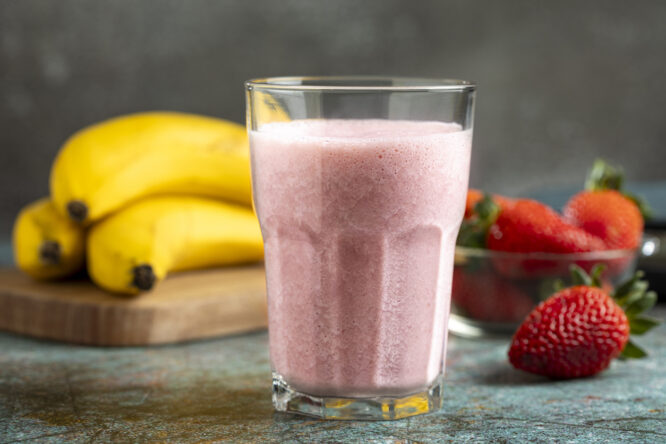
This research is a good reminder that how you prepare and combine foods matters more than most people realise. It’s not just about eating healthy ingredients, it’s about how those ingredients interact with each other. Some combinations enhance absorption, others reduce it. Eating vitamin C alongside iron-rich foods helps your body absorb the iron more effectively, for example. These kinds of interactions are happening all the time whether we’re aware of them or not.
The researchers made this point themselves. They noted that when thinking about how to get more plant-based foods into a diet, it’s not enough to just consider what to eat. The way things are prepared, stored, and combined can change how much nutritional benefit you actually get from them. That’s not a reason to overthink every meal, but it is a reason to pay a bit of attention to the combinations you’re defaulting to without questioning them.
Other fruits might cause similar issues.
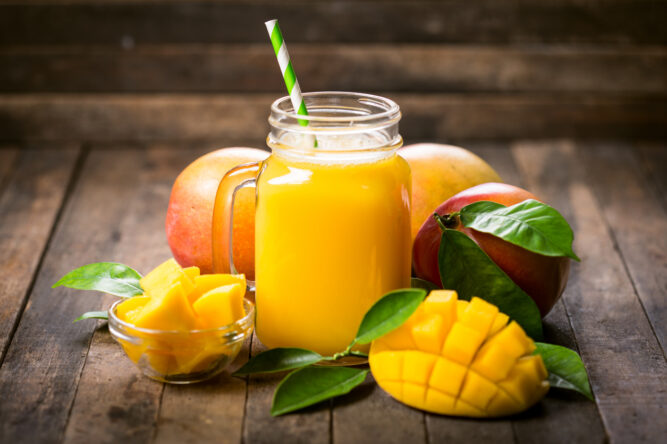
Bananas aren’t the only fruit containing polyphenol oxidase. Mangoes, apples, pears, and peaches all contain it too, though the levels vary. Interestingly, some of those same fruits are also sources of flavonols themselves, which makes the picture a bit more complicated. The research so far has focused specifically on bananas because the PPO content is particularly high and because banana-berry smoothies are so common.
It’s an area where more research would be helpful. For now, the practical takeaway is mainly about bananas rather than fruit combinations across the board. If you’re blending berries with other fruits that have lower PPO levels, you’re probably fine. But if you’re specifically reaching for blueberries, strawberries, or raspberries for their antioxidant content, pairing them with banana regularly might be working against what you’re trying to do.
Berry smoothies without banana can still taste great.
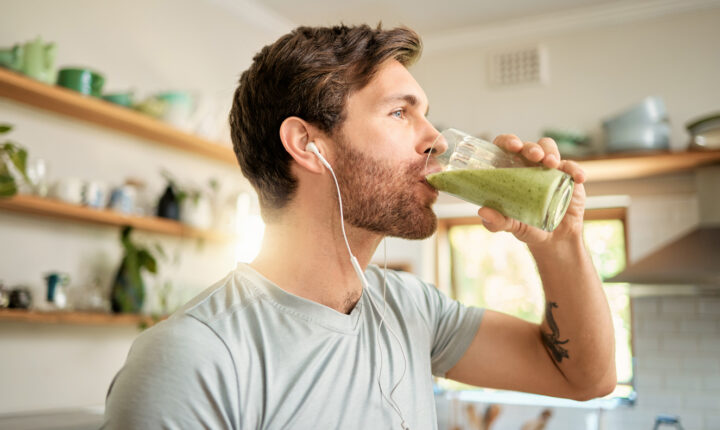
One of the reasons banana became such a smoothie staple is that it does such a good job of balancing out the tartness of berries and making the whole thing feel more substantial. Without it, a berry smoothie can feel a bit thin or sharp. But there are easy fixes that don’t involve any compromise on flavour. A tablespoon of nut butter adds richness and protein. A handful of oats blended in thickens things up nicely. A ripe pear or some frozen mango adds natural sweetness without the PPO concern.
Frozen berries rather than fresh ones tend to make smoothies thicker too because the ice crystals create a different texture when blended. If your smoothie has always felt like it needed a banana to be satisfying, try experimenting with a few of these alternatives before writing off the banana-free version altogether. Most people find something that works within a few tries, and the berry flavour often comes through more clearly once the banana isn’t competing with it.
If you’re happy with your current recipe, you don’t necessarily need to change it.
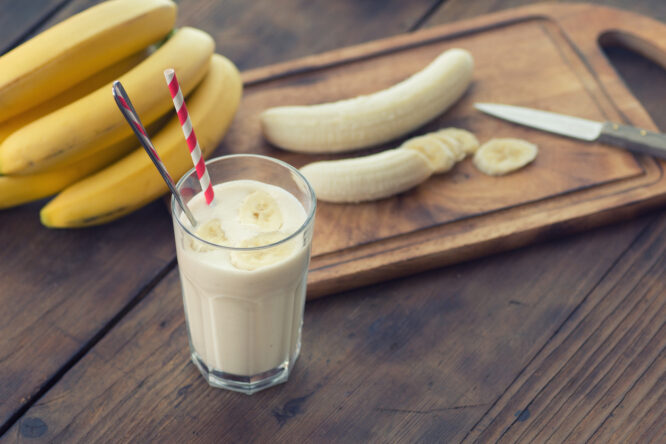
If the banana-berry smoothie has been your go-to for years and everything feels fine, you don’t need to stress about what you might have missed out on. The body is remarkably adaptable, and you’ll have been getting plenty of nutritional value from your smoothies regardless. This research is about optimising things, not about a catastrophic mistake you’ve been making.
But if you’re actively trying to increase your flavonol intake for heart health or cognitive reasons, and you’ve been relying on berry smoothies to do that heavy lifting, it’s a worthwhile adjustment to make. Swap the banana out, try a few alternatives, and you might find you barely notice the difference in taste while potentially getting considerably more benefit from the berries you’re blending.