Every time you open your mouth to utter a standard English sentence, you’re actually rattling off a massive mix of borrowed phrases and historical accidents.

The language is an absolute magpie, having spent centuries pinching bits and pieces from Viking invaders, French royalty, and ancient traders. It’s easy to assume the words used to describe simple household items or daily routines have always belonged to us, but their actual roots are often completely wild.
Whether we’re talking everyday terms born out of ancient battlefields to words that completely changed meaning on their journey across the globe, the true history of our vocabulary is packed with surprises. Testing yourself on where these common phrases originally came from shows just how weird and interconnected our language really is.
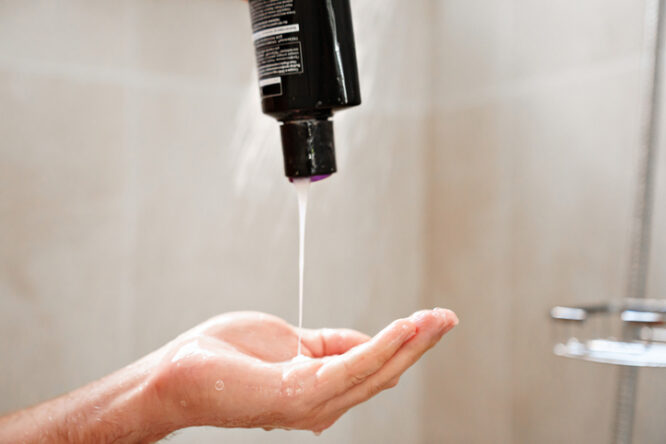
1. Where does the word “shampoo” come from?
a) Hindi
b) French
c) German
d) Thai
2. Where does “algebra” originate from?

a) Greek
b) Latin
c) Arabic
d) Persian
3. What is the origin of “tattoo”?

a) Maori
b) Tahitian
c) Japanese
d) Hawaiian
4. Where does the word “avatar” come from?

a) Hebrew
b) Japanese
c) Ancient Egyptian
d) Sanskrit
5. What language does “hurricane” come from?

a) Caribbean indigenous languages
b) Portuguese
c) Greek
d) Old Norse
6. Where does “yogurt” originate from?

a) Greek
b) Turkish
c) Persian
d) Armenian
7. What is the origin of “boondocks”?

a) Dutch
b) Irish Gaelic
c) Tagalog
d) Native American
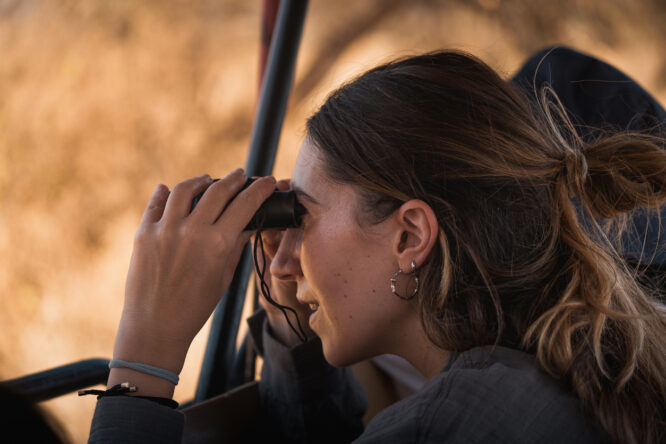
8. Where does “safari” originate from?
a) Arabic
b) Zulu
c) Portuguese
d) Dutch
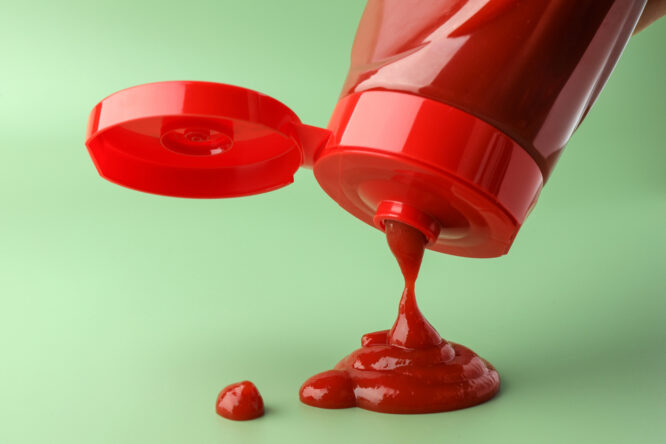
9. Where does the word “ketchup” originate from?
a) Italian
b) Spanish
c) French
d) Chinese
10. Where does the word “robot” come from?

a) German
b) Czech
c) Russian
d) Polish
11. Where does “jungle” originate from?

a) Hindi
b) Swahili
c) Tamil
d) Sanskrit
12. What language does “piano” come from?

a) French
b) Latin
c) Italian
d) Spanish
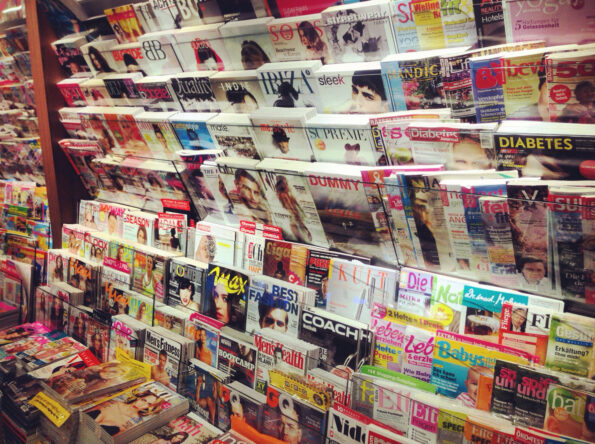
13. Where does “magazine” originate from?
a) Arabic
b) French
c) Italian
d) Persian
14. Where does the word “tycoon” come from?

a) Chinese
b) Japanese
c) Korean
d) Mongolian
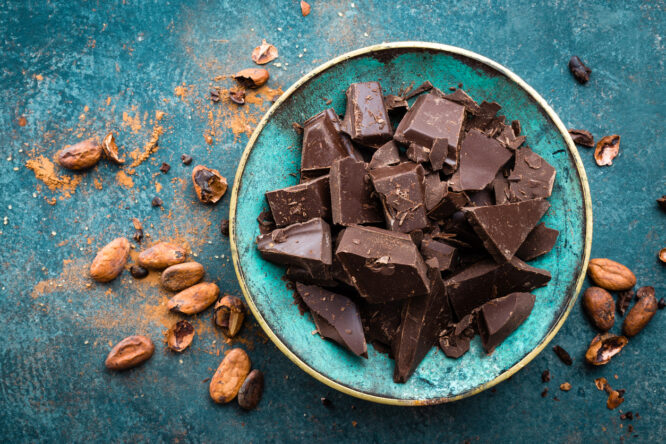
15. Where does the word “chocolate” come from?
a) Spanish
b) Portuguese
c) Mayan
d) Nahuatl
16. Where does “sofa” originate from?

a) Arabic
b) Turkish
c) Persian
d) Hindi
How did you do?

1. a) Hindi
2. c) Arabic
3. b) Tahitian
4. d) Sanskrit
5. a) Caribbean indigenous languages
6. b) Turkish
7. c) Tagalog
8. a) Arabic
9. d) Chinese
10. b) Czech
11. d) Sanskrit
12. c) Italian
13. a) Arabic
14. b) Japanese
15. d) Nahuatl
16. a) Arabic
What your score says about you

0-4: Your word origins knowledge needs some work. You probably thought ketchup was Italian and algebra was Greek, and honestly, you wouldn’t be alone. The English language has been keeping secrets from you.
5-8: Not bad, but not exactly a linguistics legend either. You got the easy ones, but the trickier words sent you down the wrong path. Time to start paying more attention to where things actually come from.
9-11: Pretty impressive. You clearly paid attention in school, or you’ve spent a suspicious amount of time reading dictionaries for fun. Either way, your vocabulary knowledge is well above average.
12-14: Genuinely excellent. You’re the kind of person who knows random facts that nobody asked for but everyone ends up impressed by. The pub quiz team needs you.
15-16: Full marks or close to it means you’re either a linguistics expert, a compulsive reader, or you somehow cheated at a word origins quiz, which would be an impressive level of dedication. Either way, consider yourself officially a word nerd of the highest order.