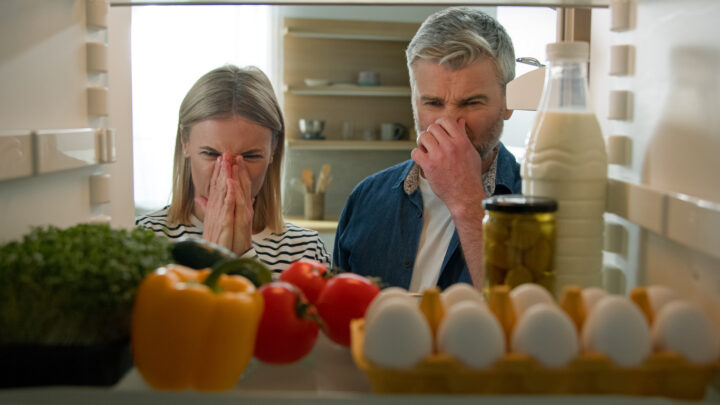
When a British summer heatwave hits, our houses instantly turn into absolute ovens because they’re built to trap heat, not let it escape.
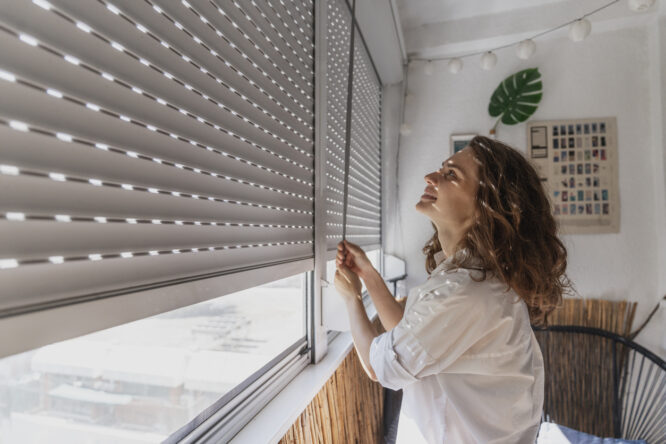
With the temperatures hitting up to 40C in some parts of the country this week, the temptation to run out and buy a noisy, expensive air conditioning unit is massive (that’s if you can find one in stock). However, you can actually make a huge difference to the temperature indoors just by changing how you manage your windows, curtains, and airflow throughout the day.
You don’t need to spend a load of cash on fancy gadgets to make your living space bearable again. By understanding how hot air moves through a building and deploying a few completely free, practical tricks around the house, you can keep your home comfortably cool and get a decent night’s sleep without adding a single penny to your energy bill.
Be clever with your cooking.

Ovens pump a large amount of heat into the kitchen and beyond, so switching to a microwave, air fryer, or pressure cooker during a heatwave makes a real difference to the temperature in your home. These appliances do the job while releasing far less excess heat into the surrounding space.
If you can manage a cold meal entirely, that’s even better, but for anyone who needs to cook, making this simple swap is one of the easiest ways to stop the kitchen becoming unbearable during the hottest parts of the day.
Switch off devices you’re not using.
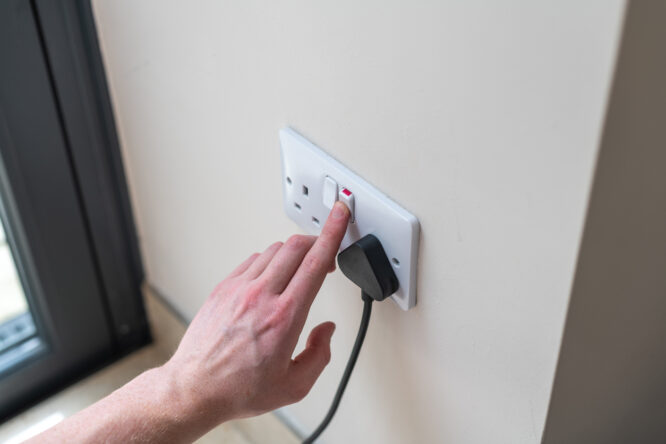
Electronics generate more heat than most people realise, including chargers left plugged in, TVs on standby, laptops, and even lightbulbs. Turning off anything you’re not actively using reduces the amount of heat being added to your home throughout the day. It’s a small change, but a cumulative one, since multiple devices running across several rooms add up to a meaningful increase in the overall temperature of the house.
Keep windows closed during the hottest hours.
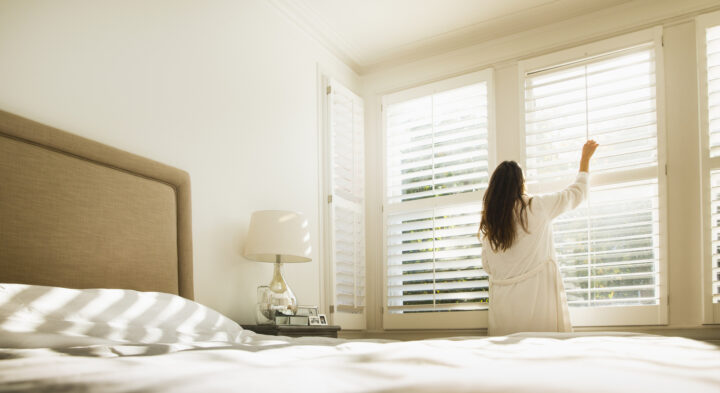
Opening windows on a hot day feels instinctive, but it actually lets warm air in rather than keeping it out during the hottest part of the day. Experts advise keeping windows shut and curtains closed throughout the afternoon, particularly on whichever side of the house the sun is hitting directly.
Curtains and blinds act as a barrier against solar heat, and keeping them closed can make a noticeable difference to how hot a room gets even without any other cooling measures in place.
Create a flow of air in the early morning and evening.
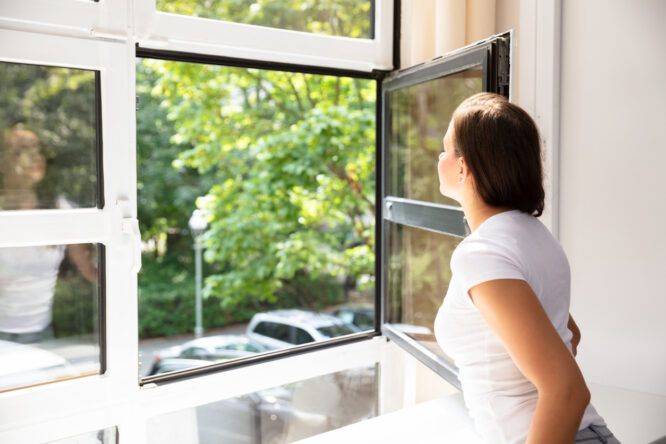
The right time to open windows is when the outside air is actually cooler than the air inside, which typically means early morning and late evening rather than the middle of the day. Opening windows on opposite sides of the house at these times encourages air to move through rather than simply sitting still. A bit of cross-ventilation approach pulls warm air out and draws cooler air in, making it far more effective than opening a single window and hoping for the best.
Move downstairs if you can.

Heat rises, which means the upper floors of a house are almost always warmer than the ground floor during a heatwave. If you have the option to work, relax, or sleep downstairs, it’s worth doing during the hottest days. Even moving to a lower floor for sleeping can make a significant difference to how comfortable the night feels, particularly in older homes that don’t retain cool air as well as newer builds.
Freeze your bedsheets.

Sleeping in the heat is often the hardest part of a heatwave, and one of the most effective free solutions is to pop your bedsheets in a plastic bag and put them in the freezer for a short period before bed. They won’t stay cold all night, but the initial relief can be enough to help you drop off. It sounds unusual, but it works, and costs nothing beyond the minor addition to the freezer’s workload for an hour or so before bedtime.
Take a tepid shower rather than a cold one.
An ice-cold shower might feel tempting when you’re overheating, but a lukewarm one is actually more effective at bringing your body temperature down. The reason is that very cold water causes the body to restrict blood flow to the skin in order to conserve heat, which can actually trap warmth inside rather than releasing it.
A tepid shower keeps blood flowing close to the skin’s surface, allowing heat to escape more efficiently. The goal is to cool the skin as much as possible while keeping blood circulation close to the surface, which a moderate temperature achieves far better than going straight for cold.