Britain’s high street is set for another wave of bank closures, with Lloyds Banking Group announcing that 79 more branches will shut over the next year.
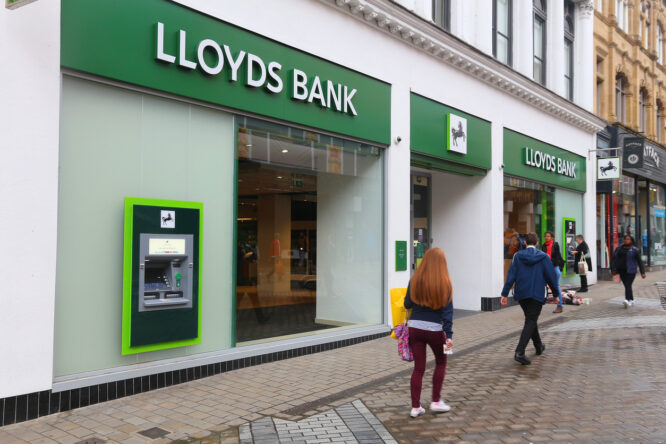
The closures will hit communities across the country, with the North West, South East and London bearing the brunt of the changes. For anyone who still relies on walking into a branch to bank, this is big news, and it could have a negative effect on many customers Here’s what’s actually happening, which branches are impacted, and what your options are once your local closes its doors.
What’s actually been announced?
Lloyds Banking Group has confirmed plans to close 31 Lloyds Bank branches and 48 Halifax sites across Britain over the next year. The cuts are part of a steady stream of branch closures from the group, which has been gradually shrinking its high street footprint for years now. Once these closures go through, Lloyds Banking Group will be left with just 531 branches across the whole country.
The latest announcement follows a separate decision back in February to close another 95 branches across the group. Put together, that’s more than 170 branches gone in just a few months from a single banking group. The pace of closures has accelerated, and there’s no sign it’s slowing down any time soon.
Why are the banks closing physical branches?
The reason given by Lloyds Banking Group, and pretty much every other UK bank closing branches, is that fewer customers are walking through the doors. Online banking and mobile banking apps have become the default way most people manage their money, with millions of customers checking balances, paying bills, transferring money and even applying for loans entirely through their phones.
From the bank’s point of view, this makes physical branches expensive to run when fewer people are using them. Rent on prime high street locations, staff costs, security, and maintenance all add up. So the banks argue they’re following customer behaviour rather than driving it. The trouble is that for the people who still rely on branches, the closures can feel devastating.
Certain areas of the UK are feeling the impact more than others.

The North West and the South East will each lose 12 branches under the new round of closures, making them the worst-affected regions. London will lose another 10 branches, with closures hitting areas like Bethnal Green, Camden Town, Dalston, Ealing Broadway, Ilford, North Finchley, Tottenham, Whitechapel, and Wimbledon.
Other affected towns and cities span the entire country, from Accrington and Blackpool in the North to Truro and Weymouth in the South. Smaller towns like Devizes, Ilkeston, Lichfield, Llanelli, and Wallsend will all lose branches too. For many of these places, the closure means residents will need to travel significantly further to reach the nearest branch.
The wider picture across UK banking isn’t a good one.
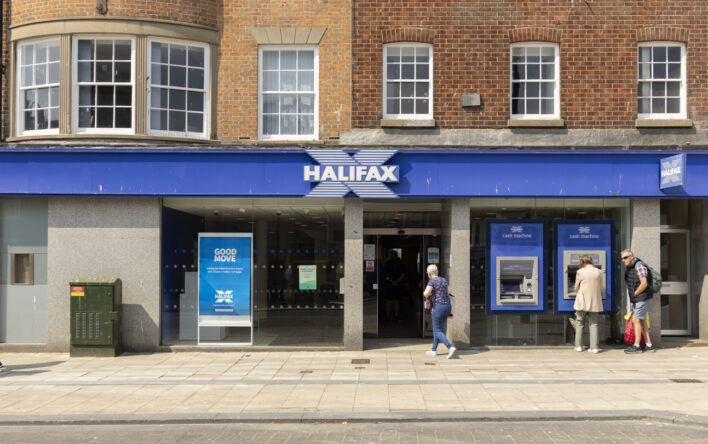
This isn’t a problem unique to Lloyds and Halifax. Almost every major UK bank is closing branches at pace. Before this latest announcement, around 250 banks were already due to close in 2026 across various brands. Santander is closing 54 branches this year, while NatWest is shutting another 35 of its own.
Over the past decade, the UK has lost roughly half of all its bank branches. What used to be a high street fixture in every market town is becoming rare, with some entire towns now left with no physical bank at all. Cash machines have also been disappearing across the country, which compounds the issue for people who still rely on cash for day-to-day spending.
This hits older customers hardest.

The impact of branch closures falls heaviest on older customers, many of whom didn’t grow up with online banking and aren’t comfortable doing all their banking through a phone. Plenty of older people still want to deposit cheques, pay bills in person, or simply chat to a real person about a problem with their account. For these customers, losing a local branch means losing a service they’ve depended on for decades.
It also affects people without confident digital skills, those without reliable internet at home, and anyone who finds dealing with money easier face-to-face. Disabled customers, people with sight or hearing impairments, and those with memory difficulties often find branches far easier to navigate than apps and phone lines. The Civil Service Pensioners’ Alliance and other consumer groups have repeatedly warned that the speed of closures risks leaving vulnerable customers stranded.
The full list of Lloyds branches closing
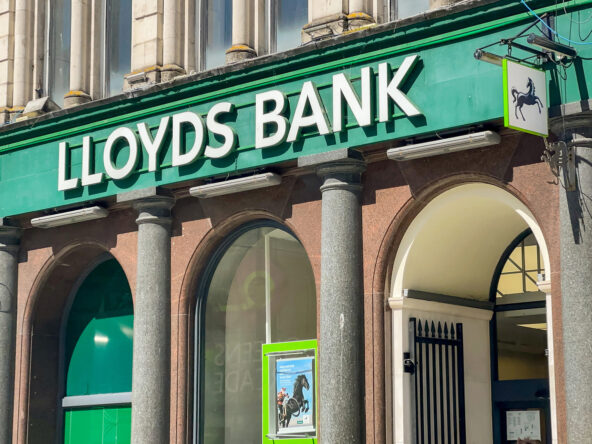
The 31 Lloyds Bank branches set to close are:
Accrington
Barnsley
Birmingham (Handsworth)
Blackpool
Braintree
Bristol (Knowle)
Carlisle
Chatham
Chelmsford
Chesterfield
City of London (Whitechapel Road)
Devizes
Harrogate
Harrow
Ilkeston
Kirkby
Leicester (Melton Road)
Leicester (Wigston)
Liverpool (Huyton)
Llandudno
Nottingham (Arnold)
Rochdale
Rotherham
Sheffield
South Shields
St Helens
Wakefield
Wallsend
Widnes
Willenhall
Worksop
The full list of Halifax branches closing
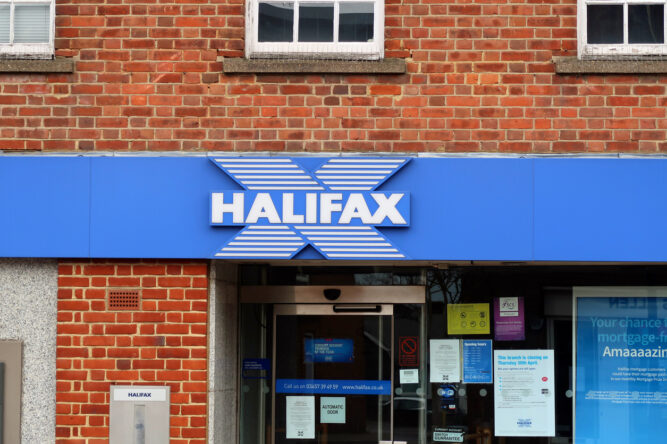
The 48 Halifax branches set to close are:
Ashford (Kent)
Basingstoke
Birmingham (Kings Heath)
Boston
Bury St Edmunds
Cannock
Canterbury
Clacton-on-Sea
Cleveleys
Corby
Durham
Ealing Broadway
Gateshead
Gravesend
Guildford
Hemel Hempstead
Hereford
High Wycombe
Ilford
King’s Lynn
Leamington Spa
Leigh
Lichfield
Liverpool (Huyton)
Llanelli
London (Bethnal Green)
London (Camden Town)
London (Dalston)
London (Tottenham)
Lowestoft
Manchester (Cheetham Hill)
Milton Keynes
Newark-on-Trent
Newcastle-under-Lyme
North Finchley
Ramsgate
Redcar
Salisbury
Sheffield (Hillsborough)
Southend-on-Sea
Taunton
Truro
Waterlooville
Wellingborough
Weston-super-Mare
Weymouth
Wimbledon
Woking
What to do if your branch is closing

If your local Lloyds or Halifax is on the list, the first step is to check exactly when it’s due to shut. The bank should write to you in advance with the closure date, but you can also find out by calling them or checking their website. Once you know the date, you’ve got time to make a plan for how you’ll manage your money afterwards.
If you’re comfortable with online banking, the closure may barely affect you. Both Lloyds and Halifax have well-rated apps that let you do nearly everything you’d previously do in a branch. If you’re not used to banking apps, asking a younger family member to walk you through the basics, or popping into a remaining branch for help setting it up, can make a huge difference. There’s no shame in needing a bit of guidance, and bank staff are usually patient about helping new app users.
The Post Office is always an option, even though many don’t realise it.
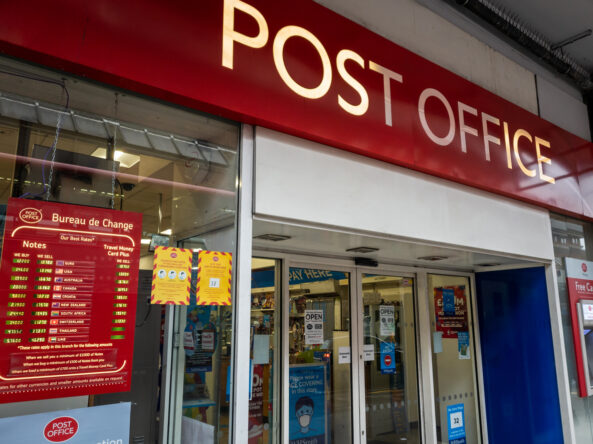
One of the best-kept secrets of modern UK banking is that most banks let you do everyday banking at any Post Office branch. You can deposit and withdraw cash, check your balance, pay in cheques and even pay bills, all at your local Post Office counter using your normal bank card.
With more than 11,500 Post Offices across the country, this often gives you a banking option much closer to home than your nearest remaining branch. For older customers and anyone who prefers face-to-face service, this can be a useful alternative. Both Lloyds and Halifax customers can use Post Office services this way, as can most other major UK bank customers.
The Community Banker scheme is worth knowing about.

Lloyds Banking Group has been rolling out something called Community Bankers in areas where branches have closed. These are trained bank staff who travel between local libraries, community centres and other venues on set days each week, offering face-to-face banking help in places where the branch has gone.
It’s not a replacement for a full branch, but it’s a useful option for people who really need that human contact. You can usually book an appointment in advance or just turn up during the scheduled hours. If your local branch is closing, ask whether a Community Banker will be visiting your area, since it’s not always made obvious to customers.
Cash access alternatives like PayPoint also exist.
For people who mainly need cash, there are growing networks of cash access points across the country. PayPoint operates in thousands of corner shops and convenience stores, where you can usually withdraw cash, pay bills and check your balance using your bank card. Many shops also offer cashback when you do your shopping, which can be an easy way to get small amounts of cash without finding a cash machine.
The government has also been pushing for banking hubs in towns that have lost all their high street banks. These are shared facilities where you can do basic banking from any major UK bank, regardless of which one you’re with. They’re slowly being rolled out across the country, so it’s worth checking whether one is coming to your area.
The honest reality of the new banking landscape isn’t pretty.
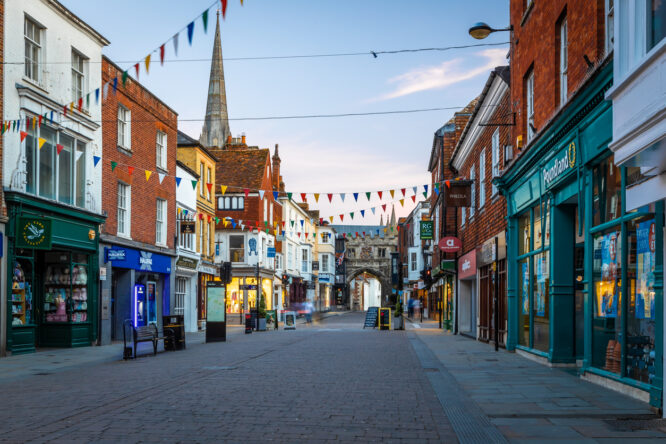
The high street as we knew it is genuinely changing, and the speed of bank closures over the past few years has been dramatic. For people comfortable with online banking, the changes are mostly invisible. For everyone else, they can feel like a quiet erosion of services that used to be taken for granted.
If you’re worried about how the closures will affect you or someone you care about, take action early rather than waiting until the branch shuts. Get help setting up an app if you want one, learn how to use Post Office banking, find your nearest cash access point, and ask your bank what other options are available locally. A bit of preparation now means you won’t be caught out when the doors finally close.