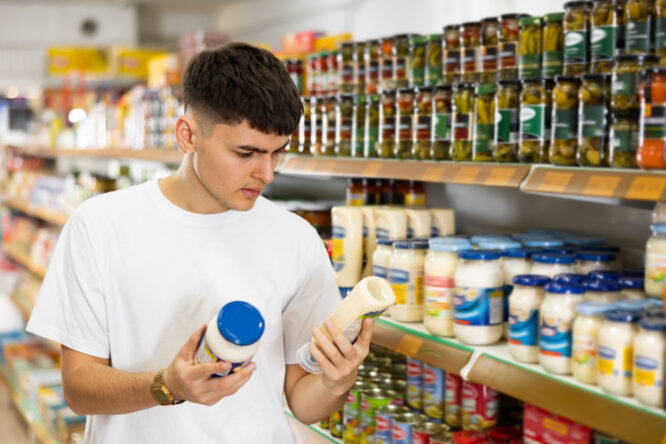
For anyone keeping an eye on their blood sugar levels, choosing the right bread can feel like an impossible choice.

The carbs hit your bloodstream fast, the labels are confusing, and the supermarket aisle is stacked with loaves making all sorts of healthy-sounding claims. The good news is that bread doesn’t have to be off the menu, even if you’re managing type 2 diabetes or trying to avoid blood sugar spikes. The trick is knowing which loaves to reach for, and which ones to leave well alone. Here’s a ranking of eight popular supermarket loaves, from the worst offenders to the absolute best.
Why bread affects blood sugar in the first place

Bread is made up mostly of carbohydrates, which the body breaks down into glucose during digestion. That glucose then enters your bloodstream and triggers a release of insulin, the hormone responsible for moving sugar out of the blood and into your cells. For people with type 2 diabetes, or anyone at risk of it, this process doesn’t work as smoothly as it should, and sharp spikes in blood sugar can become a daily issue.
What’s interesting is that not all carbs behave the same way. Recent research has confirmed that how a loaf is made, including its fermentation process and the density of its grain structure, has just as much influence on your blood sugar as the carb content itself. Long-fermented sourdoughs, particularly rye-based loaves rich in seeds and healthy fats, produce a far steadier glucose release than standard, mass-produced supermarket bread.
8. Warburtons Gluten Free White (worst)
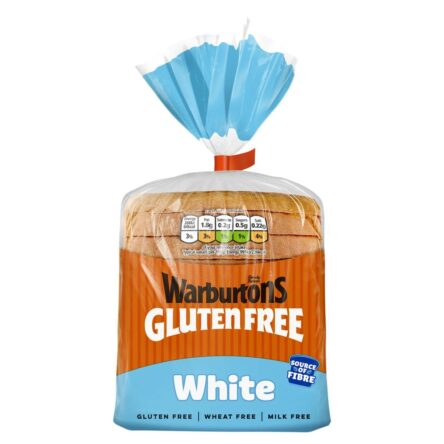
Top of the avoid list is Warburtons Gluten Free White. Despite the healthy-sounding label, this loaf is heavily processed and made with refined starches that send your blood sugar shooting up just as much as standard white bread, if not more. Unless you’ve got coeliac disease and genuinely need to avoid gluten for medical reasons, gluten-free bread is the worst possible choice for blood sugar control.
The texture is also disappointing, with a strange spongy feel and almost no real flavour to speak of. It’s a classic example of the “free-from” trap, where the missing ingredient is replaced with something just as problematic for blood sugar. If you’re worried about gluten without a medical reason, you’re far better off choosing a wholegrain or seeded option instead.
7. Kingsmill Soft White
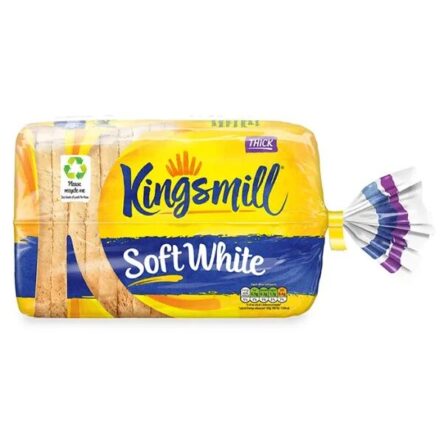
A close second on the avoid list is the classic Kingsmill Soft White. Standard sliced white bread is exactly what it sounds like, made from refined white flour that’s been stripped of its fibre and packed with industrial additives to achieve that fluffy, uniform texture. It causes rapid rises in blood glucose and offers very little in the way of nutrition. With just 2.7g of fibre per 100g, it’s not doing your gut any favours either.
If white sliced bread is your nostalgic favourite, you don’t have to give it up entirely. Pair it with healthy fats and protein, like avocado and eggs or peanut butter, to help blunt the inevitable glucose spike. Just keep it as a treat rather than a daily staple, and look for better options for your everyday bread.
6. Hovis Wholemeal
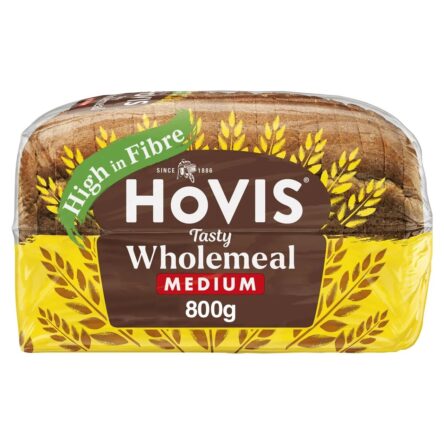
Hovis Wholemeal is a meaningful step up from white sliced, since the wholegrain flour keeps in the bran and germ, boosting fibre to 6.8g per 100g. The problem is that it’s still an ultra-processed loaf, with industrial emulsifiers, preservatives and a surprisingly high sugar content of 4.1g per 100g, which is the highest of any loaf on this list.
It also lacks the slow-fermentation process that gives sourdough and rye breads their blood sugar advantage. So while it’s better than the white options, it isn’t the gold standard plenty of people assume. If your supermarket wholemeal is fluffy, soft, and uniform like this one, the chances are it’s been through the same rushed industrial process as everything else on the shelf, just with the wholegrain element added back in.
5. Waitrose No.1 Seeded Sourdough
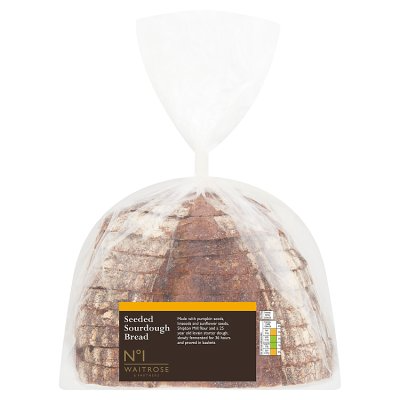
Things start looking up with Waitrose No.1 Seeded Sourdough. Made with a 36-hour-fermented sourdough starter, the long production time helps mitigate the impact of the wheat on your blood sugar. The added pumpkin, linseed, and sunflower seeds also bring in healthy fats and protein, which further slow down digestion. Fibre comes in at a respectable 6.9g per 100g.
The texture is a touch dry and chewy compared with softer loaves, which makes it better suited to toast than to floppy sandwiches. The generous seed mix adds a satisfying crunch and real flavour. If you’re a Waitrose regular, this is the everyday loaf to reach for.
4. Jason’s Sprouted Grains
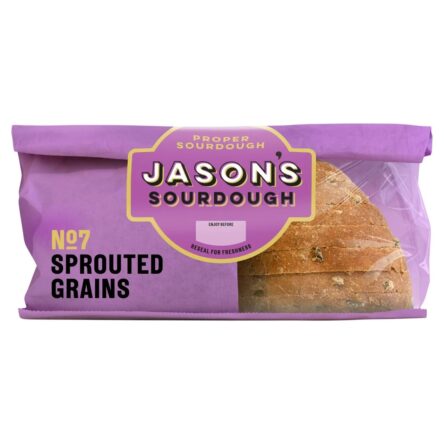
Jason’s Sprouted Grains is a brilliant example of how sprouting the grains before baking changes the game. Letting them germinate reduces total carbohydrates and boosts both resistant starch and protein, both of which slow digestion and help prevent sudden blood sugar spikes. Fibre is a touch lower than the top picks at 3.6g per 100g, but the sprouting process makes up for it in other ways.
The taste is light, soft and not overly seedy, which makes this one an incredibly versatile family loaf. It works just as well for toast as it does for sandwiches, so it’s an easy upgrade for the whole household. If you want a single loaf that suits everyone, including kids, while still keeping blood sugar relatively stable, this is one of the best choices on the supermarket shelf.
3. Bertinet Seven Seeds & Grains
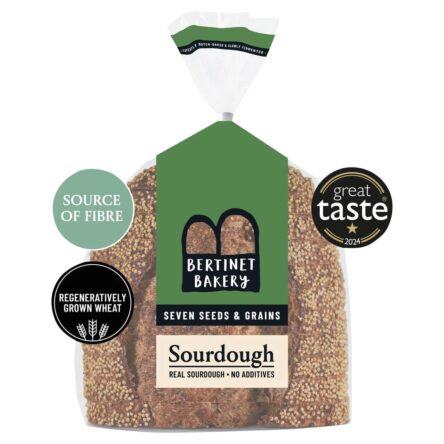
Bertinet Seven Seeds & Grains proves that healthy bread doesn’t have to be dense or unappetising. The loaf uses a blend of heritage grains like emmer, rye, spelt and barley, and skips commercial yeast in favour of long, slow fermentation. The result is a nutty, flavourful bread with 4.6g of fibre per 100g and very low sugar at just 1.2g per 100g.
The texture is on the drier side, which makes this loaf better suited to toasting than to sandwiches. The pronounced nutty flavour is fantastic with savoury toppings, particularly cheese, smoked salmon, eggs or avocado. It’s a beautifully made loaf that brings artisan quality to the supermarket aisle.
2. Biona Organic Rye Bread with Chia and Flax
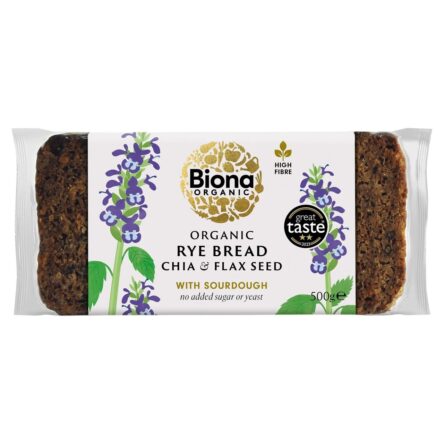
Biona Organic Rye Bread comes in at a strong second place thanks to its high fibre content of 11g per 100g and its minimal processing. The traditional long-fermentation process gives it the steady energy release we’re looking for, and the addition of chia and flax seeds further helps temper its glycaemic impact. The sugar content of 2.9g per 100g comes naturally from the grain rather than from anything added.
The flavour is wonderfully tangy and rye-forward, which makes it ideal for open sandwiches with toppings like cheese, smoked fish or hummus. It’s dense and filling, too, so a couple of slices easily makes a satisfying lunch. For anyone looking to build a blood sugar-friendly daily routine, this one is hard to beat.
1. M&S Super Seeded Oaty (best)
The top spot goes to the M&S Super Seeded Oaty. Made up of 30 per cent oats and 28 per cent seeds, it delivers an incredible 11g of fibre per 100g and a massive 11.2g of protein per 100g. The sugar content is just 0.8g per 100g, which is the lowest of any loaf on this list. The dense, grain-packed structure slows glucose absorption more effectively than almost anything else on the supermarket shelf.
The trade-off is versatility, since this is a German-style loaf and isn’t quite as forgiving as a lighter-crumbed bread. It’s moist, nutty, and rich, and pairs beautifully with cream cheese and smoked salmon, eggs, avocado, or hummus. As a regular feature in your bread routine, it’s a great choice for blood sugar control.
What to look for on the label

When you’re standing in the bread aisle trying to make sense of it all, a few quick checks help. The first ingredient should be “wholewheat flour” or “wholegrain flour” rather than just “wheat flour”, which usually means refined white. Aim for at least 3g of fibre per slice, and look for loaves with simple, recognisable ingredients rather than long lists of additives and preservatives.
Watch out for added sugar in surprising places. Some loaves use honey, molasses, or sugar for colour and flavour, which sneaks more sweetness into something you might assume was savoury. Salt levels also vary significantly, and the saltiest loaves can quietly push your daily intake up without you realising. A quick squint at the label saves you a lot of guesswork.
What to eat with your bread to flatten the curve

Pairing your bread with the right things makes a huge difference to how it affects your blood sugar. Healthy fats are brilliant for this, including avocado, olive oil, nut butter and full-fat yoghurt. They slow down digestion and stop glucose flooding into your bloodstream all at once. Lean protein has a similar effect, so eggs, tuna, chicken, hummus, beans, or cheese on top of your bread all help keep things steady.
Adding extra fibre to the meal helps even more. Pile on some spinach, mushrooms, tomatoes, peppers, or sauerkraut to lift the fibre and nutrient content of the whole plate. The general rule is simple, the more you can balance your bread with protein, fat and fibre, the less of a spike it will cause. A slice of toast with butter and jam on its own is a fast track to a blood sugar rollercoaster, but the same slice with eggs and avocado is a different story entirely.
How much bread is actually fine

For most people with type 2 diabetes, bread is absolutely fine in moderate amounts as part of a balanced diet. A typical guideline is to stick to no more than two slices per meal, ideally of a wholegrain, seeded or sourdough variety, and to pair it with protein every time. Spreading your bread intake across the day, rather than loading it all into breakfast or a single sandwich, also helps avoid bigger blood sugar swings.
Home-baked bread is often a brilliant option too, since you’ve got total control over the ingredients, including the type of flour, the amount of sugar, the salt, and the proportion of seeds. Even using a basic bread maker with wholegrain flour and a handful of seeds beats most supermarket bread for blood sugar control. If you fancy giving it a go, the difference in taste alone is worth the small effort it takes.
How to make bread a friend, not an enemy

The honest takeaway is that bread isn’t the villain it sometimes gets made out to be, particularly for people with type 2 diabetes. Choosing wisely, eating it in sensible portions and pairing it with protein, fat, and fibre means you can enjoy it almost every day without sending your blood sugar on a wild ride. The right loaf is genuinely good for you, with fibre, energy, and the kind of slow-release goodness that supports steady energy through the day.
Cutting out bread completely is rarely necessary unless your doctor has specifically advised it. The smarter move is upgrading what’s in your bread bin. Swap the Warburtons gluten-free or Kingsmill white for an M&S Super Seeded Oaty or a Biona rye, and you’ll have given yourself a meaningful upgrade. Make those swaps once, and you’ll have a fridge full of options that taste great and look after you at the same time.