The average UK wedding now costs an eye-watering £20,604, not even counting the honeymoon or the engagement ring.
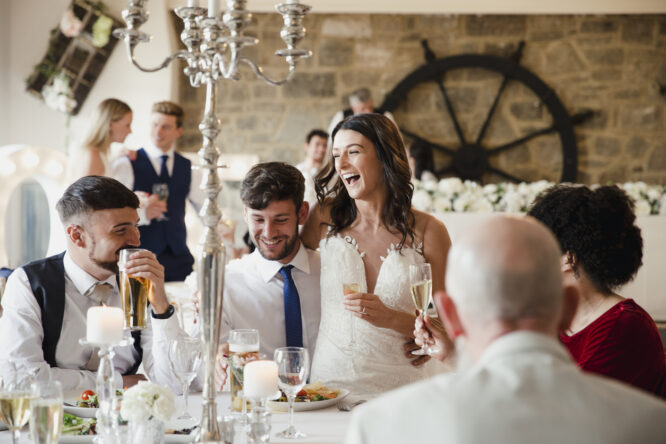
With prices for venues, food, drink, dresses, and photographers all climbing in recent years, plenty of couples are starting to wonder whether the big day really has to come with such a big bill. The good news is that with a bit of clever planning, it’s genuinely possible to throw a brilliant wedding for a fraction of the typical cost. These are some tried-and-tested ways to slash your wedding spend without losing any of the magic.
Pick a less obvious date.
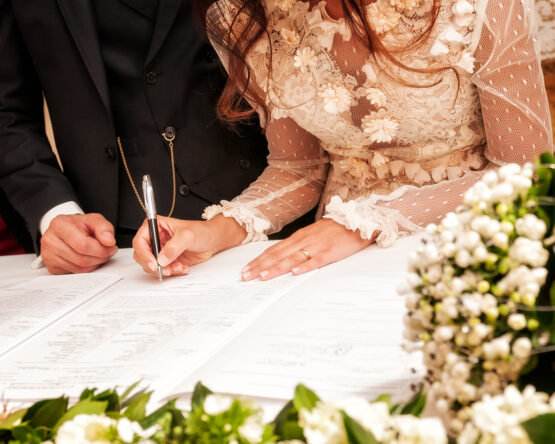
The date you choose has a huge impact on the cost of almost everything else. Weddings held on a Saturday in summer are the most expensive option, with venues, photographers, florists, and caterers all charging top prices for peak demand. Move your wedding to a Friday, Sunday or weekday, and you’ll often find venues offering serious discounts, sometimes 30 to 40 per cent off the weekend rate.
Winter weddings can be even cheaper, with November to March offering some of the lowest prices of the year. A November or January wedding can save you thousands compared with the same venue in June. As a bonus, off-peak dates also mean less competition for the suppliers you want, so you’re more likely to actually book your dream photographer or band without having to wait two years.
Slim down the guest list.

The single biggest factor in any wedding budget is the number of people you invite. Every guest comes with a cost attached, from food and drink to favours, stationery, and chair covers. The wedding industry quietly relies on people inviting everyone they’ve ever met, but the truth is that smaller weddings are really lovely, and your closest friends and family will hardly miss the colleagues you barely speak to.
Halving your guest list can roughly halve your overall wedding spend. Be honest about who actually needs to be there. The cousin you haven’t seen in ten years, the plus-ones for single friends, and that mate from school who lives abroad now are all easy candidates to drop. Smaller weddings also tend to feel more intimate and memorable for the people who do come, which is genuinely worth more than a packed room of acquaintances.
Skip the traditional wedding venue.
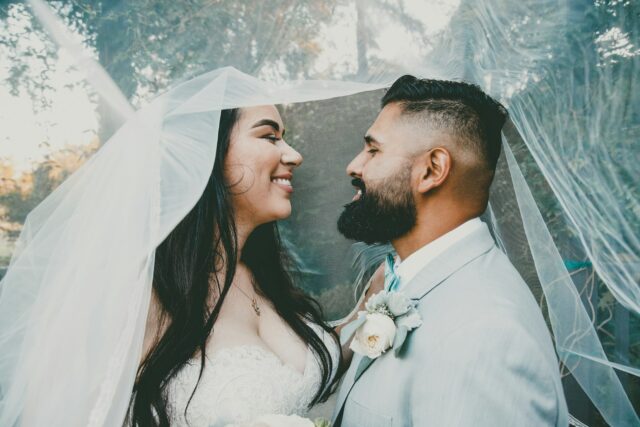
Dedicated wedding venues charge enormous fees because they know they can. The same space costs five times more for a wedding than for any other kind of party, with most of the difference going on the name “wedding” attached to your booking. Look at village halls, pub gardens, sports clubs, museums, art galleries, woodland clearings, gardens of country houses and even your own back garden for far cheaper alternatives.
Hiring a marquee for your garden or a local field can cost a fraction of a traditional venue, while giving you total control over the look, feel and timing of the day. National Trust properties, registry offices with characterful function rooms, and historic libraries are all great options too. The unusual venue often becomes the most talked-about part of the day, which is a nice side effect.
Embrace the buffet, not the sit-down meal.
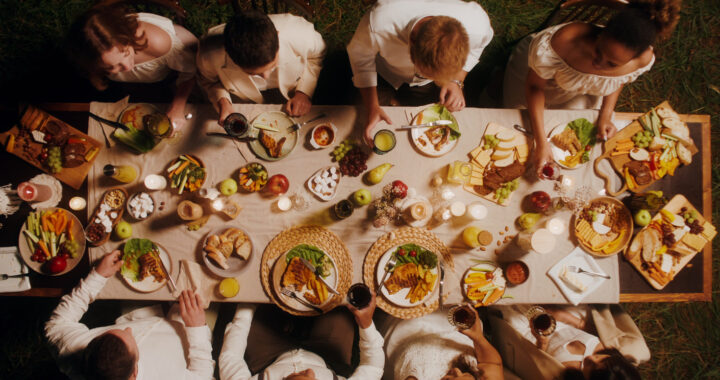
Sit-down three-course wedding meals are one of the biggest costs of any reception, often running to £80 or even £150 a head once service and drinks are factored in. A buffet, hog roast, food truck or sharing-style feast can deliver the same level of enjoyment for half the price, sometimes less.
Food trucks have become popular at UK weddings in recent years, with everything from wood-fired pizza to gourmet burgers to fish and chip vans available. Sharing-style meals where big platters get passed around the table also feel relaxed and sociable, which actually suits most weddings better than a formal sit-down. Picnic-style spreads with cold platters, salads, breads, and cheeses are another beautiful and inexpensive option, especially for summer weddings.
Go BYOB or ditch the open bar.

Alcohol is one of the easiest places to overspend at a wedding. Most venues charge huge mark-ups on wine, beer and spirits, often three or four times what you’d pay in a shop. If your venue allows it, supplying your own alcohol can save you thousands, with most supermarkets offering “sale or return” deals on bulk wine and beer, so you only pay for what you actually drink.
If the venue charges a corkage fee, do the maths carefully before committing. Sometimes the corkage works out almost as expensive as buying their wine. Another popular option is offering one or two free drinks per guest, like a glass of prosecco on arrival and wine with dinner, then switching to a cash bar afterwards. Most guests genuinely don’t mind buying their own drinks once the main toasts are done, and it can save you a couple of grand without anyone noticing.
DIY your invitations and stationery.

Wedding stationery costs add up far quicker than people expect. Save the dates, formal invitations, RSVP cards, menu cards, order of service, table plans and place cards can easily run to £600 or more for a moderately sized wedding. Switching to digital invitations through free or low-cost sites can save you almost the entire amount in one move.
If you’d prefer something more traditional, designing your own invitations in Canva and printing them at home or through a budget online printer is pretty affordable. Beautiful textured cards, simple fonts and a bit of dried flower decoration can look just as elegant as anything from a posh stationery brand. Free wedding website builders also let you handle RSVPs, menus, and travel information online, cutting your paper costs even further.
Hire your dress or shop second-hand.
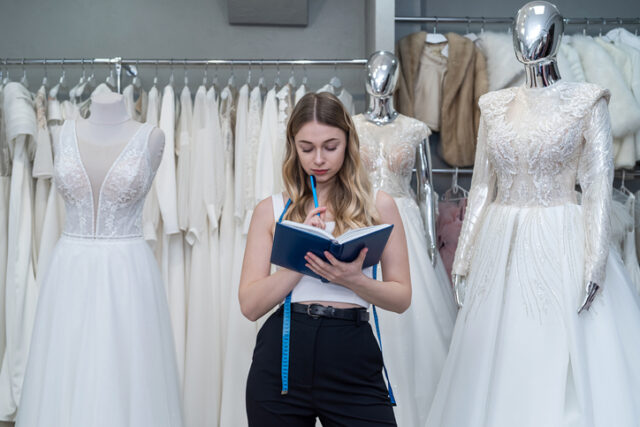
Wedding dresses are one of the biggest single splurges in any wedding budget, often costing £1,500 to £3,000 or more for something the bride will wear for around eight hours of her life. The second-hand wedding dress market has exploded in recent years, with sites like Stillwhite, Sell My Wedding Dress, and Vinted full of beautiful gowns at a fraction of their original price.
Hiring a wedding dress is another excellent option, with rental companies offering designer dresses for £200 to £600 for the day. Some high-street brands like Coast and Phase Eight also do gorgeous bridal collections at much lower prices than traditional bridal boutiques. The same applies to suits, with hire shops still offering brilliant deals for grooms and groomsmen across the country.
Get creative with flowers.

Florists charge a lot of money for wedding bouquets and arrangements, often £500 to £2,000 or more depending on the size of the wedding. The trick is to use what’s in season and skip the expensive imported flowers. British flowers in spring and summer, like tulips, peonies, sweet peas, dahlias and roses, are often half the price of imported equivalents.
Dried and silk flowers are also having a serious moment in weddings right now and look beautiful in photos. You can even rent dried flower arrangements for the day. For low-cost centrepieces, candles in glass jars, bowls of fresh fruit, potted herbs, or simple greenery from a local florist can look stunning without breaking the bank. If you’re feeling crafty, supermarkets like Lidl, Aldi, and Costco all sell cheap bunches of flowers that can be arranged at home the day before.
Skip the favours and other little extras.

Wedding favours, those little gifts left at each place setting, are one of the easiest extras to drop entirely. Most guests don’t even take them home, and the £2 to £5 per favour adds up to hundreds across the whole guest list. If you really want to give something, a single shared gift like a personalised photo for each table works far better than tiny individual trinkets.
The same applies to plenty of other extras the wedding industry tries to convince you that you need. Chair covers, fancy sashes, monogrammed napkins, light-up dance floors and elaborate signage all cost a small fortune and rarely get noticed by guests. Focus your budget on the things people actually remember, which usually come down to the food, drink, music, and atmosphere.
Choose live music wisely.

A live band can transform a wedding reception, but professional wedding bands often charge £1,500 to £3,000 or more for the evening. There are clever ways to get the same atmosphere for a lot less. Local jazz quartets, acoustic duos and student musicians from nearby music colleges often charge significantly less and can sound brilliant.
A great Spotify playlist or DJ for the evening is another solid option, with most DJs charging £400 to £800 for the night. If you’re musically inclined, building your own playlist with a curated mix of crowd-pleasers, slow songs and party tunes is genuinely free, and modern Bluetooth speakers can fill a room with brilliant sound. Many couples now mix and match, with a string quartet for the ceremony and a playlist or DJ for the evening party.
Find an enthusiastic newer photographer.

Wedding photography is one of the few things genuinely worth spending money on, since the photos are the lasting record of the day. That said, you don’t need to pay top prices to get beautiful shots. Newer photographers building up their portfolios often offer brilliant rates, sometimes as little as £400 to £700 for a full day’s coverage, compared with £1,500 or more for established names.
Look on Instagram for local talent, check student portfolios from university photography courses, and don’t be afraid to ask new photographers if they’d offer a discount in exchange for using your photos in their portfolio. You can also do a friend swap, where someone in your circle does the photography in exchange for help with their own wedding or another favour. Just make sure they have decent kit and have shot a wedding before. A couple of test shots together beforehand will give you peace of mind.
How to keep your spending under control
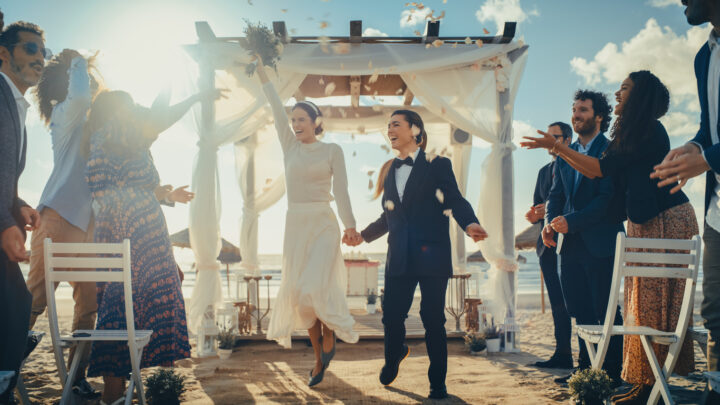
Beyond the specific tips, the single biggest thing you can do is set a clear total budget at the start and stick to it. Decide what your absolute maximum spend is, then break it down into rough chunks for venue, food, drink, photography, attire, flowers, music and miscellaneous extras. Track every payment in a simple spreadsheet so you can see your spend climbing in real time.
The wedding industry is genuinely good at making couples feel that anything less than perfect is somehow a failure. The truth is that no one remembers the chair covers, the colour of the napkins or the brand of your shoes. What people remember is the food, the speeches, the music, the dancing, and the love in the room. Spending less doesn’t mean settling for less, it just means being deliberate about what actually matters to you. Done well, a wedding under £10,000 can feel just as magical as one twice the price, and you’ll start married life without a mountain of debt to pay off.