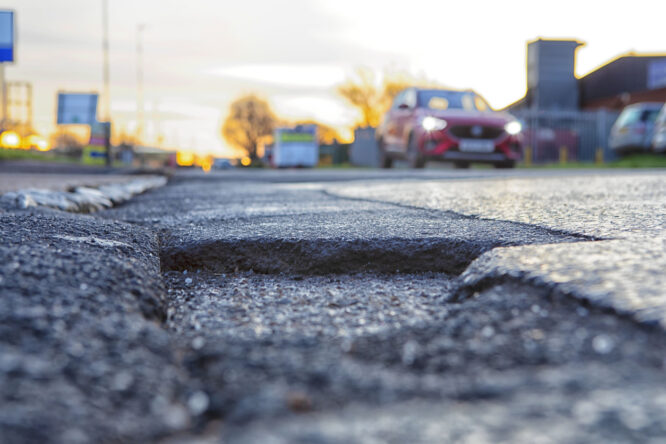
The UK government is considering tougher penalties for several motoring offences, including failing to hold a valid MOT, as part of a wider road safety crackdown.

The proposals are currently being examined through the Department for Transport’s Road Safety Strategy consultation, which recently closed for responses. If introduced, the changes could give police stronger powers against drivers who break key vehicle and insurance rules, while also increasing penalties for offences ministers believe are becoming more common.
Tougher penalties could be introduced for drivers without a valid MOT.

One of the biggest proposals under discussion involves stronger punishments for drivers who fail to keep their vehicle properly roadworthy. At the moment, driving without a valid MOT can already lead to fines, but the government is now considering adding penalty points and even vehicle seizure in some cases.
Road safety groups and police forces have reportedly raised concerns that some existing punishments do not go far enough. Officials believe certain offences currently lack the extra sanctions needed to properly deter repeat offenders or people deliberately avoiding the rules, particularly where vehicles may be unsafe to drive.
The government says road deaths have remained too high for too long.

The consultation forms part of a wider push to reduce deaths and serious injuries on UK roads. According to government figures, 1,602 people died on Britain’s roads during 2024, while more than 27,000 suffered serious injuries.
Transport minister Lilian Greenwood said the UK still has some of the safest roads in the world, but argued progress has stalled in recent years. Officials say road deaths have largely plateaued since 2010, which is one reason the government believes stronger enforcement and updated penalties may now be necessary.
Drivers without insurance are also being targeted.

The consultation looks at tougher action against uninsured drivers and people who use false information to obtain cheaper insurance policies. Ministers say there are concerns that some motorists deliberately exploit weaknesses in the current system.
At present, uninsured driving can lead to a £300 fine and six penalty points, while more serious cases can result in court action, unlimited fines, or a driving ban. The government is now examining whether additional penalties or stronger enforcement powers should be introduced.
False and cloned number plates are becoming a bigger concern.

Another major issue highlighted in the consultation involves incorrect, altered, or cloned registration plates that make it harder for police to identify vehicles involved in offences. According to officials, some offenders go to great lengths to disguise vehicle ownership or avoid being traced.
The government says this can affect everything from unpaid road charges and vehicle tax to criminal investigations and dangerous driving cases. Police and road safety groups have reportedly warned that loopholes surrounding vehicle identification are making enforcement more difficult.
Officials say some drivers deliberately hide vehicle ownership.

The consultation also raises concerns about situations where no current keeper can be identified for a vehicle. According to the government, this can create major difficulties when police or authorities try to trace offenders linked to road traffic incidents or unpaid penalties.
Officials say some drivers intentionally exploit gaps in ownership records to avoid responsibility. The government argues this creates unfair costs for law-abiding motorists, especially when lost revenue linked to fraud eventually has to be recovered elsewhere.
Vehicle seizure powers could become more common.
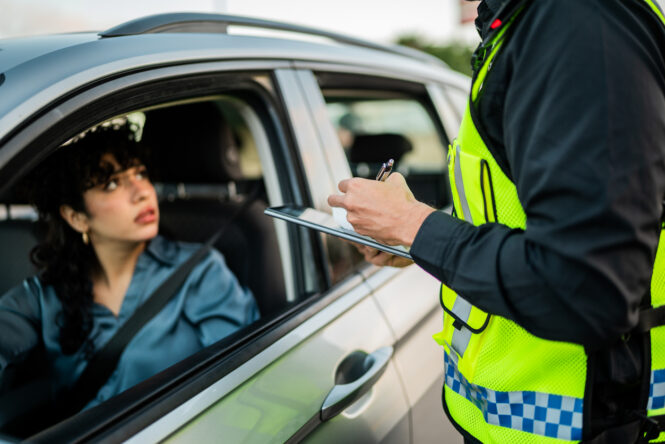
Police already have the authority to seize vehicles being driven without insurance or outside the conditions of a driving licence. Under the new proposals, similar powers could potentially be expanded to cover additional offences linked to MOT failures or vehicle ownership concerns.
The government says officers would still be expected to use discretion and act proportionately depending on the circumstances. Even so, the proposals suggest ministers are considering giving police a wider range of enforcement tools than they currently have.
The review also looks at other road safety measures.

Alongside MOT and insurance offences, the consultation covers several wider road safety issues including drink and drug driving, seatbelt offences, and medical fitness to drive. One proposal reportedly under consideration involves mandatory eyesight testing for drivers aged over 70.
Officials say there is no single measure that will suddenly reduce road deaths overnight. Instead, the government believes combining stronger penalties with broader safety reforms could gradually improve road safety standards across the UK.
A decision on the proposals could arrive later this year.
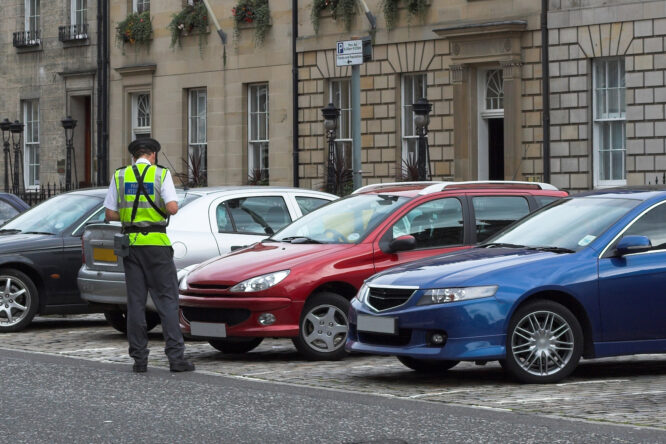
The Department for Transport is expected to publish a summary of consultation responses within the next few months. Following that, ministers could move towards changing legislation later in 2026 if they decide to proceed with the proposals.
For drivers, it means offences that currently result in smaller fines or limited penalties could eventually carry much more serious consequences, particularly in cases involving uninsured driving, missing MOTs, or attempts to avoid identification.