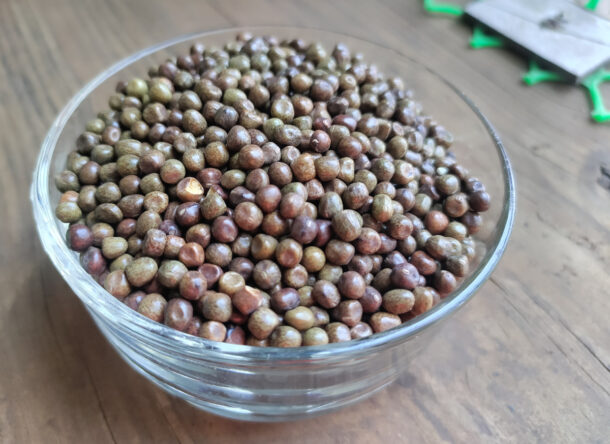
Beans are suddenly everywhere again. Social media is full of people “fibremaxxing”, nutrition experts keep talking about gut health, and even celebrity chefs are urging people to add more pulses into their diets. But while chickpeas, lentils, and butter beans get most of the attention, there’s one old British pulse quietly making a comeback that many people have never even heard of: the carlin pea.
Carlin peas have been eaten in Britain for centuries.
Long before trendy wellness recipes and protein-packed grain bowls arrived, carlin peas were already a regular part of British cooking. Historians believe monks were growing and eating them during the Middle Ages, especially during Lent when meat was avoided.
Over time, the peas became closely linked with northern England, particularly areas like Lancashire and the northeast. They were traditionally eaten during Carlin Sunday and Bonfire Night, usually boiled and served with vinegar and salt.
Most people know them by completely different names.
Part of the reason carlin peas stayed under the radar is that they’ve never had one single famous name across the UK. Depending on where somebody grew up, they might know them as black peas, badger peas, brown badgers, maple peas, or grey peas.
That local identity kept them alive regionally for generations, but it also meant they never became nationally recognised in the same way baked beans or lentils did.
They’re packed with fibre and protein.
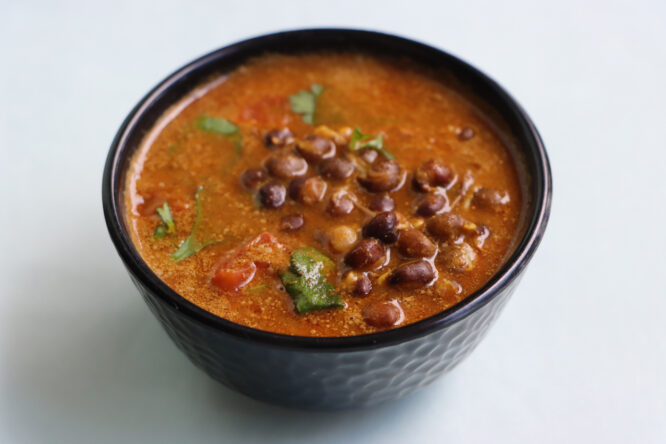
One big reason nutrition experts are suddenly paying more attention to carlin peas is because they’re incredibly nutritious for such an unassuming little food. They’re high in both fibre and plant protein while also staying relatively low in calories.
Fibre has become a huge talking point lately because most people in the UK still don’t get nearly enough of it. Experts say diets rich in fibre help support digestion, gut bacteria, blood sugar control, and long-term heart health.
They may also support gut health.
Like many pulses and legumes, carlin peas contain the kind of fibre that feeds beneficial bacteria in the gut. Nutrition researchers increasingly believe gut health affects far more than digestion alone. Everything from immune health to energy levels and even mood is now being linked to the gut microbiome. That’s partly why foods like beans, lentils, and peas are suddenly having such a big moment again.
The dark colour actually means something.
Carlin peas have a distinctive dark brown and purple marbled appearance that makes them look quite different from most supermarket beans. That colouring comes from compounds called anthocyanins. These are the same antioxidant pigments found in foods like blueberries, red cabbage, and blackberries. Researchers have linked anthocyanins to possible benefits for heart health, inflammation, and brain function.
They taste much nuttier than most beans.
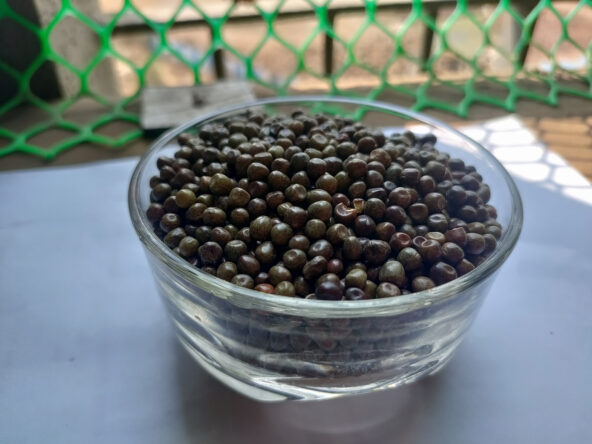
One reason people who try carlin peas often become slightly obsessed with them is because they don’t taste bland in the way some beans can. They have a firmer texture and a rich, nutty flavour that many people compare to chestnuts. That stronger flavour means they hold up particularly well in stews, curries, soups, and hearty pasta dishes without disappearing into the background.
They work surprisingly well as a meat substitute.
Because carlin peas are high in protein and have a firmer bite, they’ve become increasingly popular in vegetarian cooking. Some recipes now use them instead of minced meat in ragus, casseroles, and slow-cooked sauces. That’s one reason companies like Bold Bean Co and Riverford have started promoting them more heavily as people look for affordable plant-based foods that still feel filling and satisfying.
They’re much more versatile than people expect.
Traditional boiled carlin peas with vinegar still have plenty of fans in northern England, but modern recipes have started taking them in very different directions. People now use them in curries, salads, soups, pasta dishes, and even blended dips. Their firmer texture means they don’t turn mushy as quickly as some other beans when cooked.
British-grown pulses are getting more attention generally.
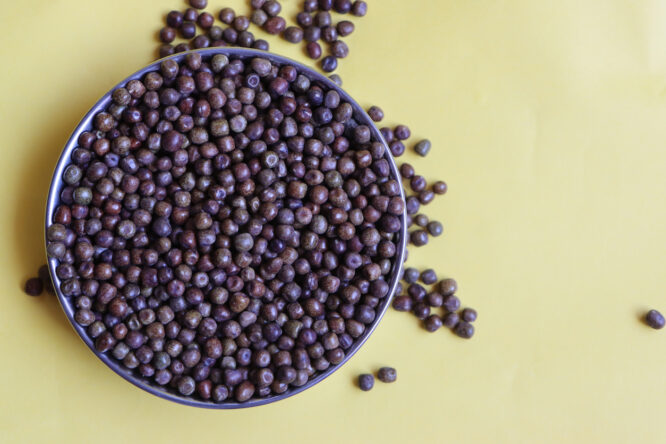
Part of the renewed interest in carlin peas also comes from growing conversations around British farming and food sustainability. Many commonly eaten beans are imported from abroad, while carlin peas can be grown much closer to home. As more shoppers look for local ingredients and less heavily processed foods, older British crops are starting to get a second life after years of being overlooked.
The bean obsession probably isn’t going anywhere.
Nutrition experts have spent years trying to convince people to eat more pulses because they’re affordable, filling, high in fibre, and linked to better long-term health outcomes. Social media may have helped make beans trendy again, but the science behind them has existed for a long time.
Carlin peas are probably still far less famous than chickpeas or lentils for now, but they fit perfectly into the growing appetite for simple, high-fibre foods that are cheap, versatile, and genuinely good for you. For a bean that’s been around in Britain for centuries, they suddenly feel oddly modern again.