For a long time, if you wanted to go for a swim in England without worrying about what was in the water, you basically had to head for the coast.
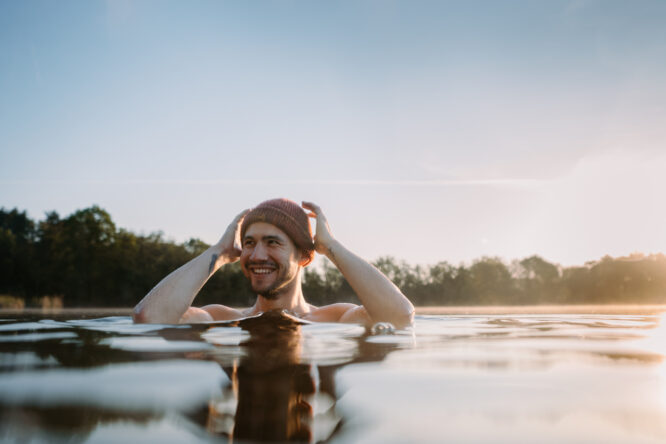
However, as of 15 May, the options for a safe inland dip have grown. Thirteen new locations across the country have officially been granted bathing water status, including a landmark stretch of the Thames in London and the iconic Broadchurch filming spot in Dorset.
That means the Environment Agency is now legally required to test these waters every single week throughout the summer. Whether you’re a seasoned wild swimmer or just fancy a paddle without the trek to the seaside, these newly protected spots are a massive win for local communities.
What being a designated bathing site actually means
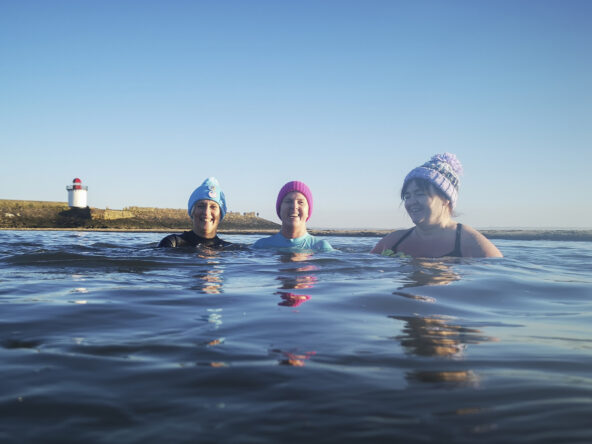
A designated bathing site is essentially an official stamp of approval that brings with it weekly water quality testing throughout the summer. Environment Agency officers visit each site from 15 May to 30 September, taking regular samples to check for bacteria and other indicators that affect swimmer safety. Results then get published online, so people can make informed choices about where and when to take a dip.
The designation also puts pressure on water companies and local authorities to keep the water clean. If pollution issues come up, they have to be investigated and addressed rather than ignored. For the swimmers, paddlers, kayakers and wild bathers who use these spots regularly, it’s a proper safety net that didn’t exist before. The new sites bring England’s total to 464 designated bathing waters, and the consultation that led to these designations saw 90% of respondents in favour.
Why the Thames at Ham is the headline news
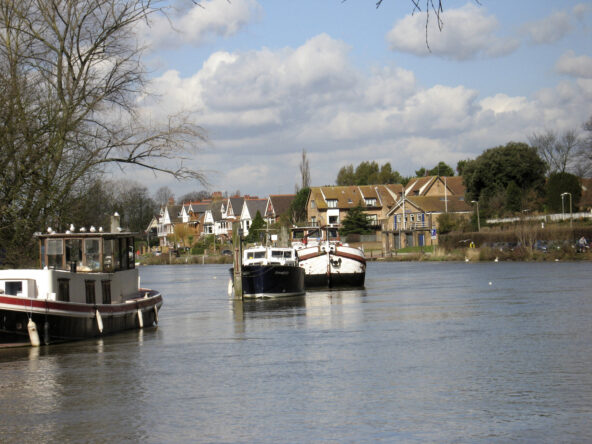
The headline grabber here is undoubtedly the Thames at Ham and Kingston in southwest London. It’s the very first stretch of the River Thames ever to receive bathing water status, which is a big deal when you consider the Thames was declared biologically dead in the 1950s because of pollution. The fact that swimmers can now officially use a section of it speaks volumes about how much the river has recovered.
The site is already popular with the Teddington Bluetits, a local cold water swimming group, and the wider community of rowers, paddlers and casual swimmers who use this stretch year-round. The proposal for Ham and Kingston received a record number of public endorsements during the consultation, which gives some sense of just how much demand there was for it. Designation means weekly water quality data, properly published, so people swimming there know exactly what they’re getting into.
From Broadchurch beaches to Wind in the Willows meadows
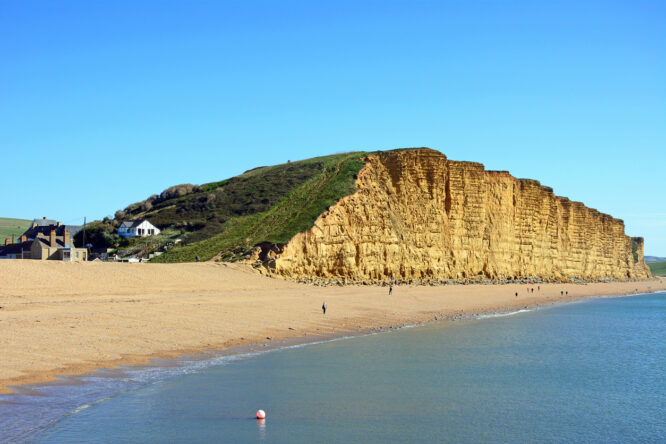
Beyond London, the new sites include some genuinely lovely spots scattered across the country. East Beach at West Bay in Bridport will be familiar to anyone who watched ITV’s Broadchurch, since it was the filming location for the iconic cliffs that featured throughout the series. There’s also Pangbourne Meadow in Berkshire, which sits in the area that inspired Kenneth Grahame to write The Wind In The Willows, so there’s a bit of literary history attached to that one.
Other highlights include the River Swale in Richmond, North Yorkshire, known for its dramatic waterfalls over limestone steps, and the River Fowey in Lostwithiel, Cornwall, a tidal river that flows through the heart of the town. Little Shore in Amble, Northumberland is a beautiful crescent of sand sitting between the River Coquet and the North Sea, while Canvey Island Foreshore in Essex offers a family-friendly sandy beach with traditional seaside appeal.
The bigger reforms behind the announcement
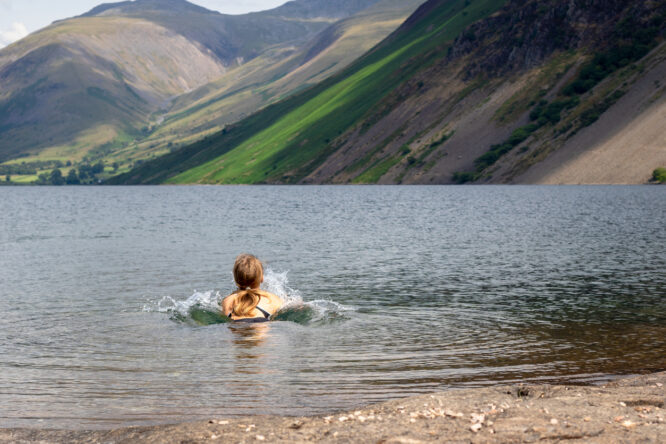
These new sites land at a moment when bathing water regulations are going through a wider overhaul. The rules were updated in November 2025, scrapping the previous system that automatically de-designated sites classed as ‘Poor’ for five years running. Now, waters that show potential to recover won’t be written off too soon, which gives campaigners and councils more time to push for improvements.
The reforms also introduce flexible, site-specific bathing seasons. Up to now, every designated site ran on the same May to September timeframe, regardless of when people actually swam there. Some sites are used year-round by cold water swimmers, and the new rules let monitoring align with real usage rather than a one-size-fits-all calendar. The legal definition of ‘bather’ has also been expanded to include paddle boarders, surfers and other water sports enthusiasts, which makes a lot of sense given how people actually use these spaces.
Where the wider water quality picture sits
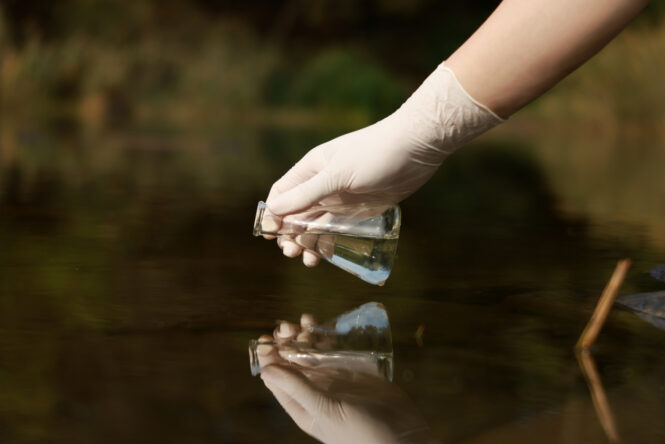
Bathing water quality across England has been steadily improving, with 87% of designated sites rated as ‘Excellent’ or ‘Good’ in 2025 and 93% meeting at least the minimum grade. That still leaves 7%, or 32 sites, failing to meet minimum water quality standards, so there’s clearly more work to be done. The Clean Water Bill announced in the King’s Speech this week is set to bring tougher oversight of water companies and end what’s been described as a culture of marking their own homework.
For now, the practical advice for anyone planning to swim is to check water quality and conditions before heading out. The Environment Agency publishes test results online throughout the season, which means there’s no real excuse for going in blind. Extra government funding is also being put towards better signage at the new sites, so people can find them easily and know what they’re swimming in.
The full list of new designated bathing sites
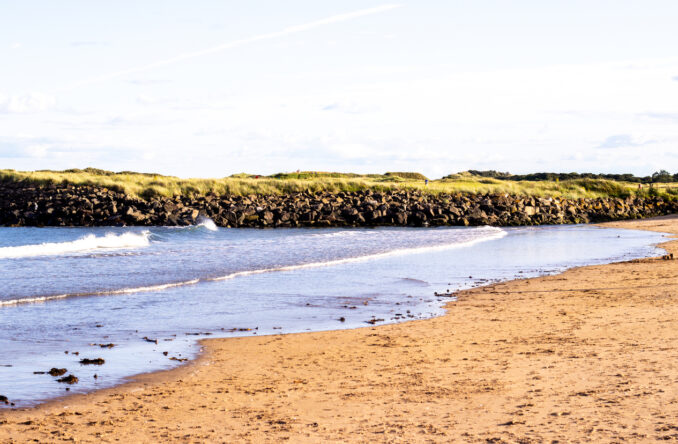
Here are all 13 sites that officially opened on Friday 15 May 2026:
1. Little Shore, Amble, Northumberland
2. Newton and Noss Creeks, Devon
3. Canvey Island Foreshore, Essex
4. Sandgate Granville Parade Beach, Kent
5. Queen Elizabeth Gardens, Salisbury, Wiltshire
6. East Beach at West Bay, Bridport, Dorset
7. Pangbourne Meadow, Berkshire
8. River Fowey, Lostwithiel, Cornwall
9. River Swale, Richmond, North Yorkshire
10. Falcon Meadow, Bungay, Suffolk
11. River Thames at Ham and Kingston, Greater London
12. New Brighton Beach (East), Merseyside
13. River Dee at Sandy Lane, Chester, Cheshire