Most people grab garlic without thinking too much about it—if it’s garlic, it’s garlic.
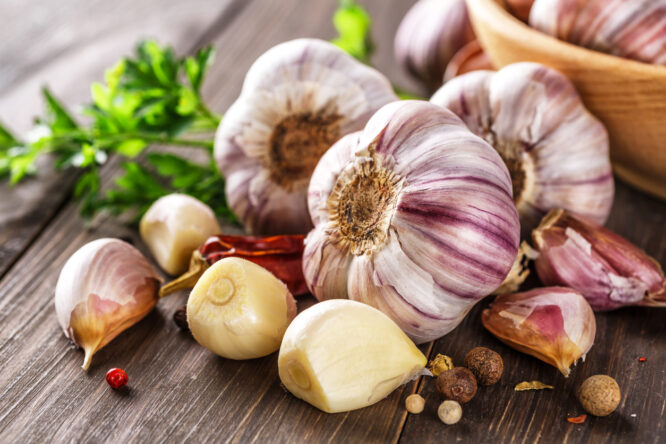
However, according to chefs and food experts, the colour of the bulb can actually make a noticeable difference to the flavour, texture, and the way it works in different meals. Purple garlic and white garlic might look fairly similar once peeled, but they come from different garlic varieties entirely. White garlic is usually softneck garlic, while purple garlic is generally part of the hardneck family. That difference changes everything from shelf life to taste intensity.
Purple garlic is usually milder and sweeter.
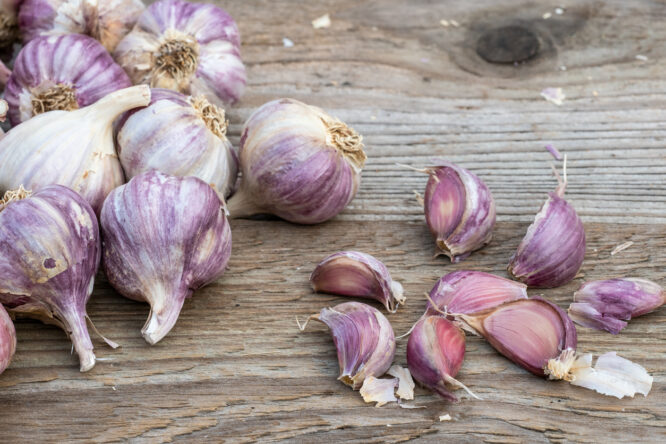
Food experts say purple garlic tends to have a gentler flavour compared to standard white garlic. While white garlic often has the sharp, punchy taste most people associate with garlic bread or pasta sauces, purple garlic is usually described as sweeter, smoother, and slightly more aromatic.
That milder flavour means purple garlic is often used in dishes where people want garlic to add depth without overpowering everything else. Chefs frequently use it in salad dressings, roasted vegetables, lighter sauces, and recipes where the garlic is eaten raw or only lightly cooked.
White garlic tends to deliver the stronger garlic hit people expect.

White garlic is still the version most people buy in supermarkets. It has a more intense flavour that stands out immediately in cooked food, especially in heavier dishes like curries, stews, stir-fries, and garlic-heavy sauces. Because the flavour is stronger, many cooks still prefer white garlic for everyday cooking where they want that classic bold garlic taste to come through clearly. It also tends to cope better with longer cooking times without disappearing into the background.
The structure of the garlic bulbs is different too.
Purple garlic usually has fewer cloves inside each bulb, but the cloves are often larger and easier to peel. The bulbs also tend to look more uniform in size because of the hard central stalk that runs through hardneck garlic varieties. White garlic bulbs normally contain more cloves overall, but they vary more in size. The outer cloves are often much larger, while the centre ones can be smaller and fiddlier to peel.
Purple garlic is often preferred for roasting.
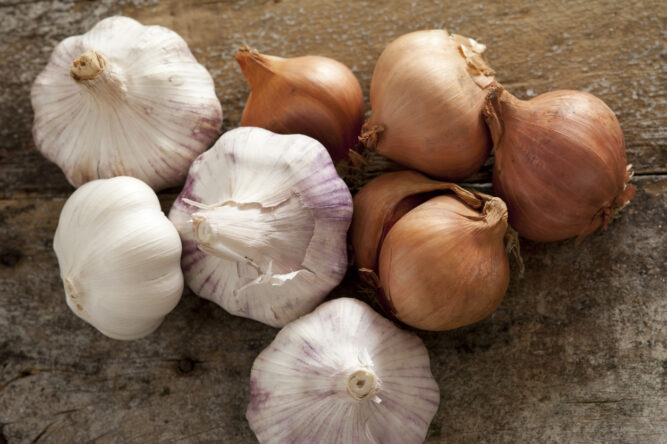
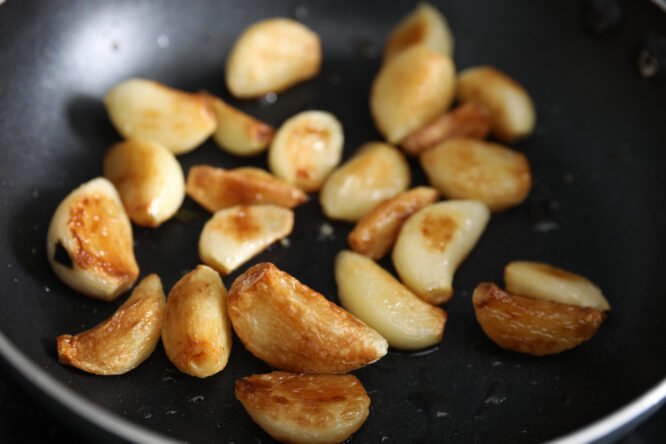
One reason many chefs like purple garlic is because the flavour changes differently during cooking. Roasting tends to bring out sweeter and richer flavours in purple garlic, creating a softer and less aggressive taste. That makes it especially popular for roasted garlic dishes, garlic spreads, compound butters, and recipes where garlic is meant to taste mellow rather than sharp. Some varieties are also described as slightly nutty once cooked.
White garlic usually lasts much longer in storage.
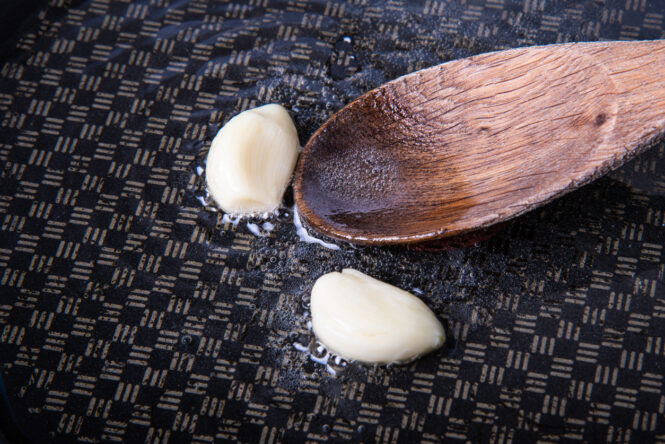
One of the biggest practical differences between the two is shelf life. White garlic is generally considered much hardier and can last significantly longer when stored properly. Purple garlic contains more moisture and has thinner outer skin, which means it can dry out faster and lose flavour more quickly over time. That’s one reason white garlic became the dominant supermarket option in many countries.
Some people also prefer purple garlic because of the texture.
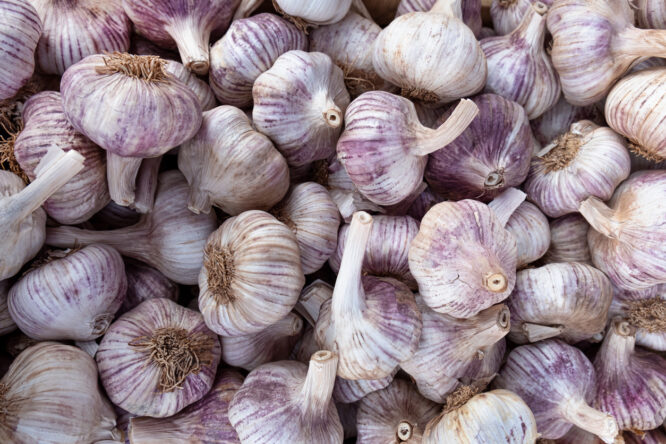
Food experts say purple garlic is often slightly juicier than white garlic, which changes how it behaves when chopped, crushed, or blended into sauces. Because the flavour is less harsh when raw, some cooks also use purple garlic in dips, salad dressings, and fresh recipes where raw white garlic might taste overpowering.
Neither type is necessarily better overall.
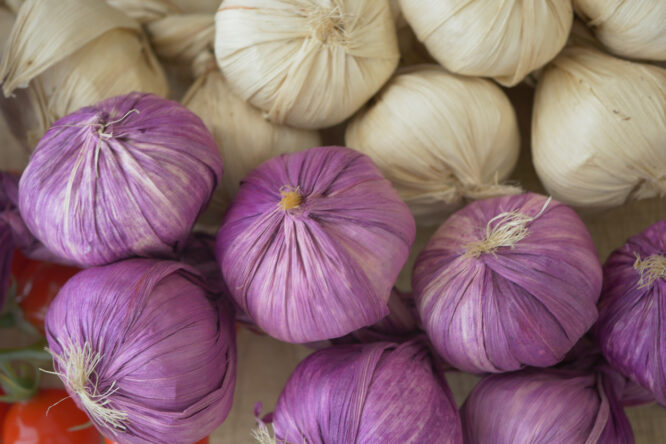
Food experts say the best choice mostly depends on what you are cooking and how strong you want the garlic flavour to be. White garlic remains the better option for bold, punchy cooking, while purple garlic is often chosen for sweeter and more delicate flavours. So, while most people treat all garlic the same, chefs say the colour of the bulb can genuinely change the final taste of a dish more than many home cooks realise.