Switching your fizzy drinks to the diet version or stirring a spoonful of sweetener into your morning cuppa has long been seen as the ultimate guilt-free hack for cutting down on sugar.

However, while these substitutes have helped millions dodge calories, a major new piece of research is forcing a serious rethink about what they’re actually doing to our bodies. Scientists are digging deeper into how these artificial ingredients interact with everything from our gut health to our metabolic systems, and the latest findings are anything but straightforward.
If you’ve been relying on low-calorie alternatives to keep your health goals on track, these fresh insights might make you want to take a much closer look at what’s really hiding in your favourite sugar-free treats.
What are sweeteners, anyway?
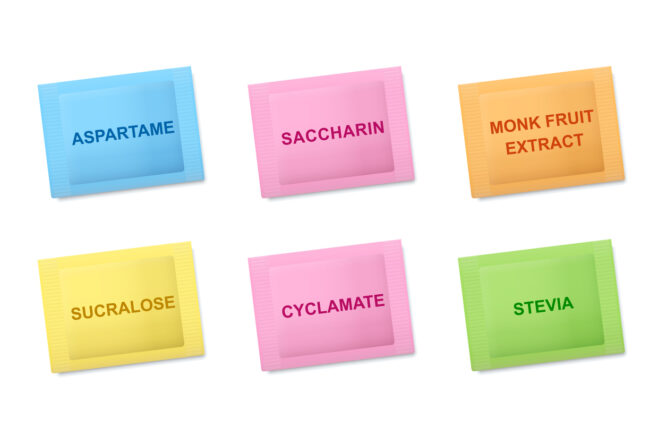
Sweeteners are things added to food and drinks to make them taste sweet without using actual sugar. They’re brilliant in theory because they have very few or no calories, which is why they’re added to so many products that say “low calorie,” “sugar free” or “diet” on the front. The most common ones are sucralose, aspartame, acesulfame K, saccharin and stevia. You’ll find them in fizzy drinks, chewing gum, sugar-free squashes, yoghurts, protein shakes, sweets, and loads of other everyday products.
The big selling point has always been that you get the sweet taste without the extra calories that come from sugar. For people trying to lose weight, manage diabetes or just cut back on sugar, sweeteners have felt like an easy win. The problem is that scientists are now finding out they might not be doing what we thought they were doing, and in some cases they could even be causing problems of their own.
The new study that’s getting people talking

A new study published in a journal called Frontiers in Nutrition looked at two of the most popular sweeteners around: sucralose, which you might know as Splenda, and stevia, which lots of people see as the natural option because it comes from a plant. The researchers wanted to see what these sweeteners actually do inside the body.
What they found was a bit alarming. Both sweeteners seemed to affect the tiny bacteria living in the gut, change the way certain genes worked, and possibly even pass these effects on to the next generation. The research was done on mice rather than people, so the findings can’t be applied directly to humans yet. However, it’s the kind of result that makes scientists sit up and start asking bigger questions.
Why your gut is more affected by these sweeteners than you’d think

Your gut is home to trillions of tiny bacteria that help with all sorts of things, from breaking down your food and supporting your immune system to keeping your mood and energy levels steady. Scientists now know that the balance of these bacteria has a huge impact on your overall health, including your weight, your risk of diabetes and even how clearly you can think.
The new research suggests that sweeteners might be quietly upsetting this balance. By changing which bacteria thrive and which ones struggle, sweeteners could end up making your gut less effective at doing its job. Over time, that could lead to inflammation, weaker gut walls and metabolic problems. It’s a slow, silent process, which is part of why it’s taken so long for scientists to spot what’s going on.
The weight loss surprise

Here’s one of the most surprising findings from recent research. Artificial sweeteners might not actually help with weight loss at all. Lots of studies have shown that people who use lots of sweeteners often end up with a higher BMI than those who don’t, and the more they use, the bigger the gap tends to be.
The theory is that sweeteners might actually make us hungrier. When your brain tastes something sweet, it expects calories to follow. When the calories don’t arrive, your body might keep sending hunger signals and craving more food to make up for what’s missing. The result is that people who switch to diet drinks and sugar-free snacks often end up eating more overall, which is exactly the opposite of what they were hoping for.
The brain health concern

A big study from Brazil followed nearly 13,000 adults for eight years and found that people who used the most sweeteners had faster declines in memory and thinking skills compared to those who used the least. That’s a worrying finding, particularly because lots of people switch to sweeteners thinking they’re making a healthy choice.
Other research has linked artificially sweetened drinks to a higher risk of strokes in older adults. The connection between sweeteners and brain health isn’t fully understood yet, and scientists are still working out exactly how it happens. But the early findings are enough to take seriously, especially for anyone who drinks several diet drinks a day or relies heavily on sugar-free products.
What the World Health Organization has said

The World Health Organization, which is one of the biggest and most respected health bodies in the world, issued new guidance in 2023 advising people not to use non-sugar sweeteners to manage their weight. They concluded that there was no clear long-term benefit for weight loss, and that using them regularly could actually raise the risk of type 2 diabetes and heart disease.
That advice covered loads of common sweeteners including aspartame, sucralose, saccharin, stevia, and acesulfame K. It marked a huge change from years of public health messaging that broadly endorsed sweeteners as the better alternative to sugar. For people who’d built their daily diets around diet drinks and low-calorie sweet treats, it was a properly eyebrow-raising change.
The cancer question

Worries about sweeteners and cancer have been around for decades. Most reviews of the evidence have concluded that there’s no clear link between moderate sweetener use and overall cancer risk. However, a large French study a few years ago found that people who consumed lots of aspartame and acesulfame K had a higher overall cancer risk compared to those who avoided them.
The cancers most strongly linked were breast cancer and those connected to obesity. The researchers said the findings give reason to take another look at the safety of these food additives. The science here is still being debated, and other studies have come to different conclusions, but it’s another piece of the puzzle that’s keeping researchers digging deeper.
Why this could affect future generations

One of the most eye-opening parts of the new research is the suggestion that the effects of sweetener consumption might be passed down to children. The mouse study found that changes in gene expression and gut bacteria appeared in the offspring of mice that had consumed sweeteners, even when those offspring hadn’t been directly exposed to them themselves.
This is called an epigenetic effect, which basically means the choices a parent makes can influence how their child’s genes get switched on and off. While mouse studies don’t always translate directly to humans, the findings are a reminder that the food we eat today can have effects that reach much further than just our own bodies. It’s another reason to think carefully about what we’re consuming on a daily basis.
Why the science is still divided

Despite all of this, scientists are far from agreeing on a single answer about sweeteners. Some studies find clear links to negative outcomes, while others find no real effects at all. The reasons for this come down to how the studies are designed, who they follow and what they measure.
Studies that simply look at what people eat and how their health turns out can show patterns, but they can’t always prove that one thing caused the other. People who drink lots of diet drinks might also have other habits, like eating more processed food or moving less, that explain the patterns researchers spot. Until we have more long-term, controlled studies on humans, the full picture will keep changing. That doesn’t mean the current concerns can be brushed off, but it does mean the debate is going to run for a while yet.
What this means for your everyday choices

If you use sweeteners regularly, this doesn’t mean you need to panic and chuck out everything in your cupboard. Moderate use is unlikely to cause obvious harm in the short term, especially compared to the well-known dangers of eating too much sugar. But it does suggest it’s worth thinking twice if you’re getting through several diet drinks or sugar-free snacks every single day.
The most sensible approach is probably moderation in both directions. Cutting back on both sugar and sweeteners where you can, and getting more of your sweet taste from naturally sweet foods like fruit, is what most nutritionists are now recommending. Water, herbal teas, sparkling water with a slice of lemon, and unsweetened drinks all deserve a place in your day too. None of this is glamorous advice, but it’s the kind of common-sense thinking that tends to age well as the science keeps developing.
Where sweeteners are hiding

If you want to start cutting back, the first step is knowing where to look. Diet fizzy drinks are the obvious source, but sweeteners also show up in flavoured waters, sports drinks, sugar-free squashes, low-calorie ice creams, protein bars, protein shakes, chewing gum, mints, sugar-free yoghurts, sugar-free jelly, low-sugar baked goods, sauces, dressings, and even toothpaste and some medicines.
Check the ingredients list for sucralose, aspartame, acesulfame K, saccharin, stevia, and sugar alcohols like xylitol, sorbitol and maltitol. They turn up in surprising places, particularly in foods marketed as healthy, low-calorie or diet. Reading labels properly takes a bit of getting used to, but once you know what to look for, you’ll start spotting them everywhere. Knowing what’s in your food is the first step to making choices that genuinely work for your body.