Most of us spent hours staring at the blackboard in school, memorising dates and names just to pass an exam before promptly forgetting the lot.
However, every now and then, a random bit of trivia comes up that proves whether any of that information actually stuck upstairs. It’s one thing to remember the famous Kings and Queens, but quite another to recall the smaller, weirder events that shaped the world. This quiz isn’t about the basic stuff everyone knows from telly; it’s a proper test of the lessons you supposedly sat through. Let’s see how much of that school day knowledge is still rattling around in your head.
1. In what year did the Battle of Hastings take place?
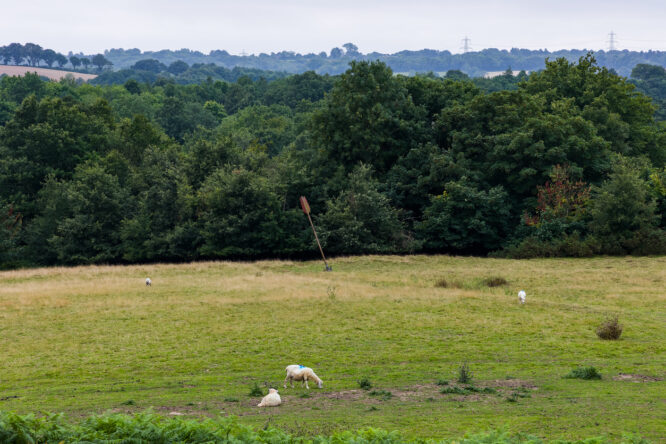
One of the most famous dates in British history, drilled into pretty much every primary school pupil at some point. This was the battle that brought the Normans to England and changed the course of the country forever. King Harold famously took an arrow to the eye during the fighting, and the whole thing was later stitched into the Bayeux Tapestry, which you can still see in France today.
2. Which king had six wives?
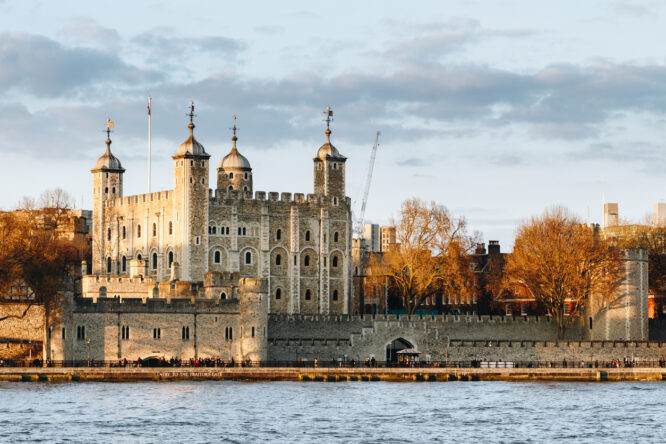
A staple of every history classroom, this one. He was famous for breaking with the Catholic Church and going through wives at a properly alarming rate. The mnemonic “divorced, beheaded, died, divorced, beheaded, survived” was probably how most people learned about his marriages. His split from Rome led to the formation of the Church of England, and his desperation for a male heir shaped much of his decision-making, though it was actually his daughters who ended up making the biggest mark on history.
3. What event marked the start of the First World War?
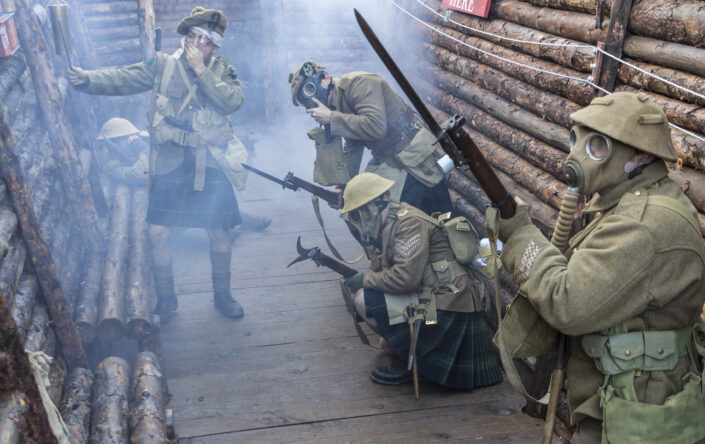
A specific event in Sarajevo in 1914 set off a chain reaction that led to one of the most devastating wars in history. The clue is that it involved an assassination. The killing of a high-ranking member of the Austro-Hungarian royal family triggered a web of alliances that pulled most of Europe into war within weeks, and the fighting lasted until 1918.
4. Who was the British Prime Minister during most of the Second World War?
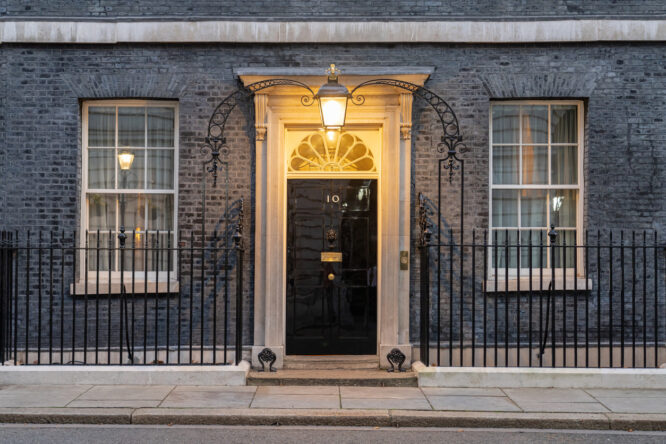
Known for his rousing speeches, his cigars, and leading the country through its darkest hours. He took office in May 1940 and stayed in the role for most of the conflict. He’s the one who promised the country “blood, toil, tears and sweat,” and his speeches during the Blitz are still quoted today. He was actually voted out of office shortly after the war ended, despite his enormous wartime popularity.
5. What was the name of the plague that killed roughly a third of Europe’s population in the 14th century?
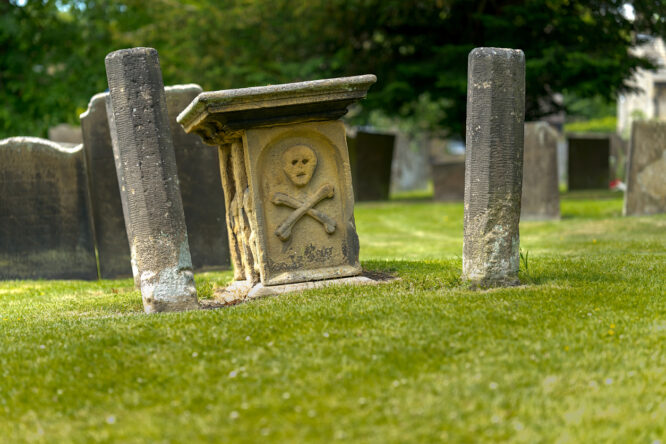
It swept across Europe between 1346 and 1353, with devastating consequences. The name comes from the dark patches that appeared on victims’ skin. It’s thought to have been carried by fleas living on rats that travelled along trade routes, and the social and economic upheaval it caused changed the shape of medieval society in lasting ways.
6. In which year did Queen Elizabeth II come to the throne?
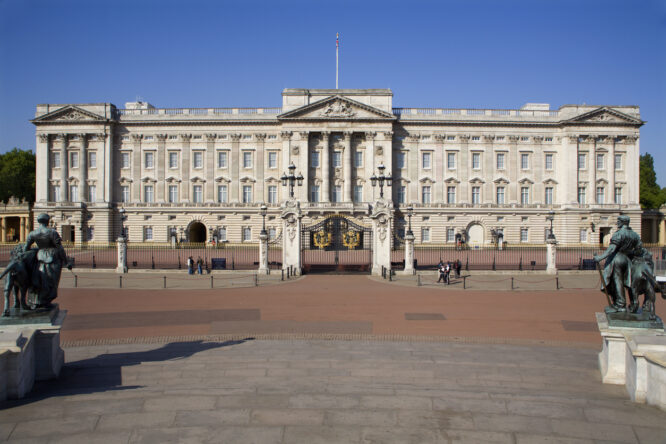
Her father died unexpectedly while she was on a royal tour in Kenya, and she became queen at the age of 25. Her coronation followed in June the following year. She went on to become the longest-reigning monarch in British history, ruling for over 70 years before her death in September 2022.
7. What was the name of the act in 1833 that abolished slavery across most of the British Empire?
Passed by Parliament during the reign of William IV, this act came into force the following year and ended slavery across most British colonies, with some significant exceptions. It was the result of decades of campaigning by abolitionists including William Wilberforce, who sadly died just three days after the bill passed its third reading in Parliament.
8. Who led the campaign to give women the vote in the UK in the early 20th century?
Founder of the Women’s Social and Political Union, known for the slogan “Deeds Not Words.” She and her daughters became the most famous faces of the suffragette movement. Their campaign included hunger strikes, window-smashing, and famous public protests, and women in the UK eventually won the right to vote on the same terms as men in 1928.
9. Which English king signed the Magna Carta in 1215?
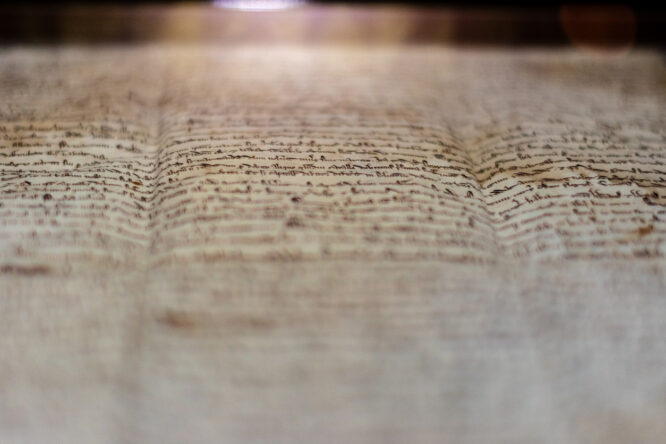
Pressured by a group of rebel barons fed up with his rule, he reluctantly sealed the document at Runnymede beside the River Thames. The agreement limited the power of the monarch and laid the foundations for later ideas about the rule of law. He’s also the king who appears as the villain in most Robin Hood stories, though the historical version is more complicated than the cartoons suggest.
10. What was the name of the Anglo-Saxon king who united much of England and is the only English monarch known as “the Great”?
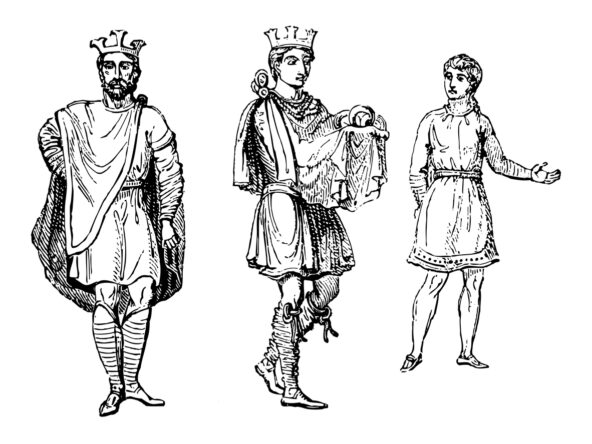
He ruled Wessex from 871 until his death in 899, and is famous for his defence of England against Viking invasions. There’s also a popular but probably untrue story about him hiding in a peasant’s hut and accidentally burning some cakes while distracted by his troubles. He’s also credited with promoting education and translating important works into English.
11. What year did the United Kingdom officially leave the European Union?
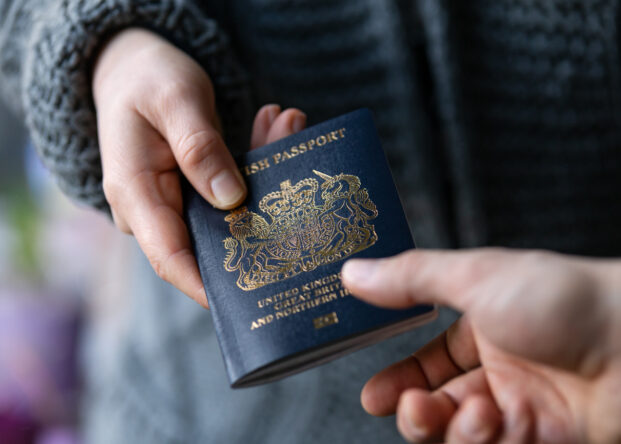
A referendum was held in 2016, but the official departure didn’t happen until a few years later, after lengthy negotiations and several extensions. The year you’re after marks the formal exit. It took place on 31 January at 11pm GMT, and it ended 47 years of UK membership of the EU and its predecessors.
12. Who was the first Prime Minister of Great Britain?
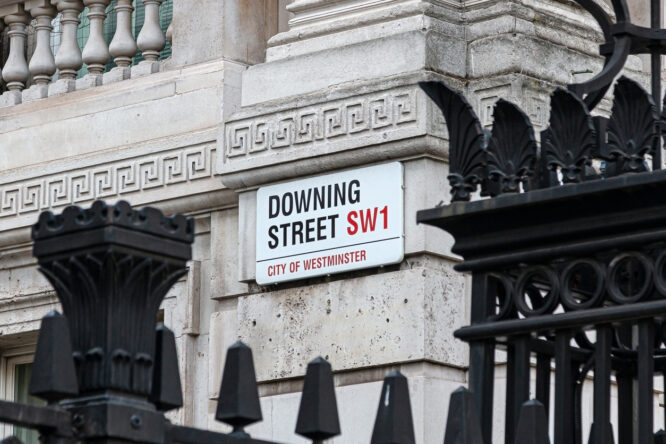
He took office in 1721 and is widely considered the first person to hold the role, though the title wasn’t officially used at the time. He lived at 10 Downing Street, which has been the Prime Minister’s residence ever since. He held the position for over 20 years, making him also the longest-serving Prime Minister in British history.
13. What was the name of the disaster that destroyed much of London in 1666?
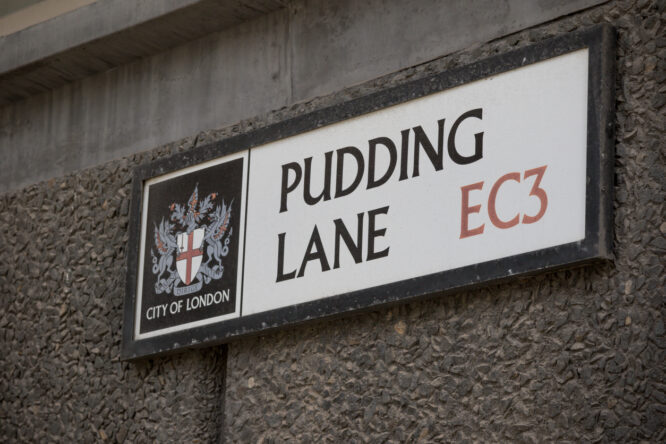
It started in a bakery on Pudding Lane and burned for four days, destroying around 13,000 houses and 87 churches. Sir Christopher Wren was tasked with rebuilding much of the city afterwards. St Paul’s Cathedral, one of the most iconic buildings in London, was among his most famous designs after the disaster, and the Monument near London Bridge was built to commemorate it.
14. Which battle in 1815 ended the Napoleonic Wars?
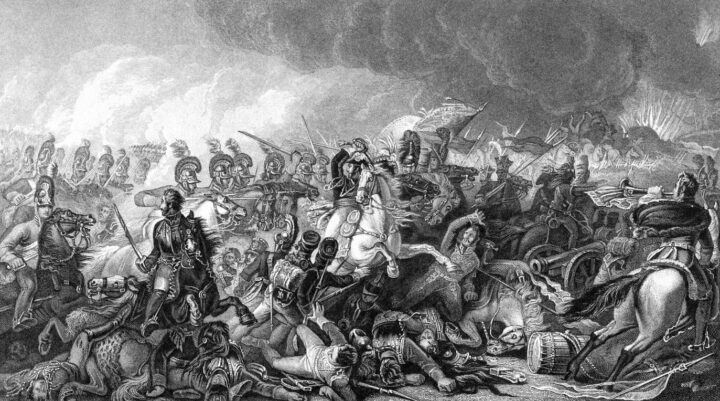
Fought in what is now Belgium, this battle saw the Duke of Wellington and his allied forces finally defeat Napoleon Bonaparte once and for all. The Tube station and the train station are both named after it. Napoleon was sent into exile on the remote island of Saint Helena in the South Atlantic, where he eventually died in 1821.
15. What was the name of the queen who ruled England from 1558 to 1603?
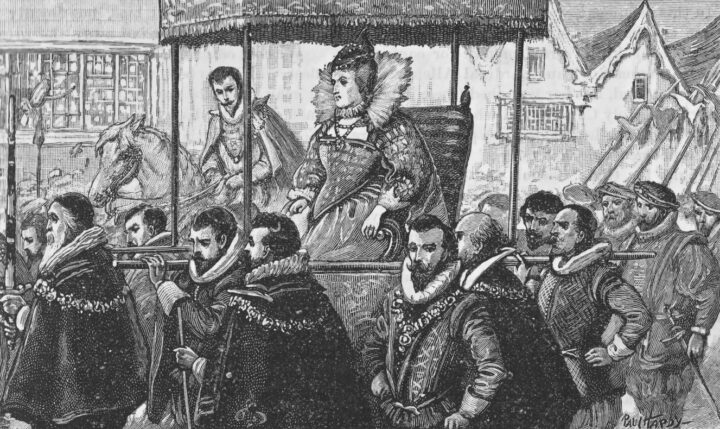
The daughter of Henry VIII and Anne Boleyn, she ruled during a golden age of exploration, theatre, and literature. Her reign is often associated with the rise of Shakespeare and the defeat of the Spanish Armada. She never married, which led to her being known by a famous nickname, and her death ended the Tudor dynasty entirely.
Answers
1. 1066.
2. Henry VIII.
3. The assassination of Archduke Franz Ferdinand.
4. Winston Churchill.
5. The Black Death (or Bubonic Plague).
6. 1952.
7. The Slavery Abolition Act.
8. Emmeline Pankhurst.
9. King John.
10. Alfred the Great.
11. 2020.
12. Sir Robert Walpole.
13. The Great Fire of London.
14. The Battle of Waterloo.
15. Queen Elizabeth I.
If you got over 12, you can fairly say school history stuck with you. Over 8 is decent. Anything below that, well, blame the teacher.