While most social media trends are better off ignored, some are actually somewhat useful if done right.
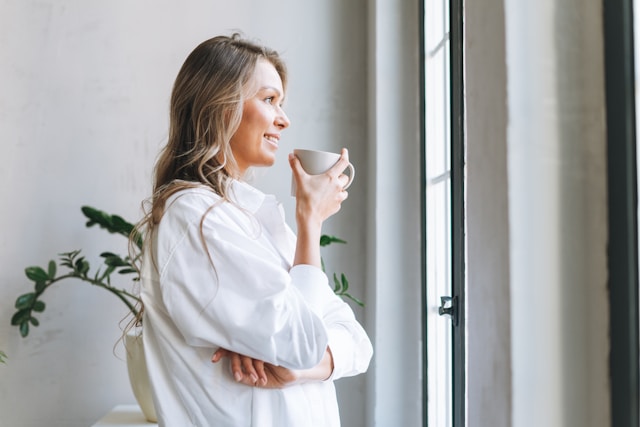
The French Sunday trend has been popping up across TikTok, Instagram, and lifestyle sites because it offers something people are clearly craving right now: a day that isn’t built around chores, errands, inboxes, or self-improvement. The idea centres around slowing Sundays down and treating them as actual rest days instead of another chance to optimise your life before Monday arrives.
It’s not straight-up copying French people exactly. It’s more just embracing the idea of a softer, slower Sunday that feels enjoyable rather than productive. That’s a big reason the trend has exploded and is pipped to take over this summer, especially among people who feel exhausted by constant routines, schedules, and pressure to always be doing something useful.
What is the French Sunday trend?
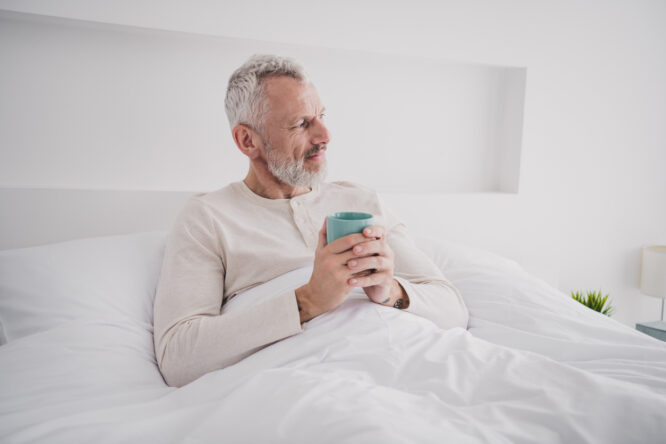
At its simplest, a French Sunday is a deliberately slow Sunday. Instead of filling the day with errands, meal prep, inbox clearing and life admin, the focus is on relaxing properly and letting the day unfold more naturally. That might mean sleeping in, going for coffee, wandering around a market, reading, cooking slowly, seeing friends or spending more time outside. The main idea is removing pressure and letting the day feel lighter.
People are tired of turning Sundays into productivity marathons.

A lot of modern weekend culture is still heavily focused on productivity. Sundays have become associated with “reset routines”, deep cleaning, weekly planning and preparing for work before the new week has even started. The French Sunday trend pushes back against that mindset. People are increasingly realising that constantly trying to optimise every spare hour can leave them feeling more drained instead of properly rested.
The trend fits naturally with summer.
Part of the reason the trend has taken off this year is because summer already encourages a slower pace. Longer evenings, warmer weather and outdoor socialising make it easier for people to spend time walking, sitting outside or having longer meals. Unlike some trends that require buying products or completely changing your lifestyle, this one feels fairly simple and achievable. It’s more about changing the pace of the day than following strict rules.
The “French” part is partly real and partly romanticised.

There is some truth behind the trend. In France, Sundays are often slower because many shops close earlier or don’t open at all, and long lunches and slower routines are more culturally normal. Of course, social media has also romanticised the idea heavily. Online, the trend often looks like a carefully curated mix of pastries, coffee, linen clothes, books, and farmers’ markets. Real life is obviously less aesthetic than that.
Walking without a purpose is a major part of the trend.
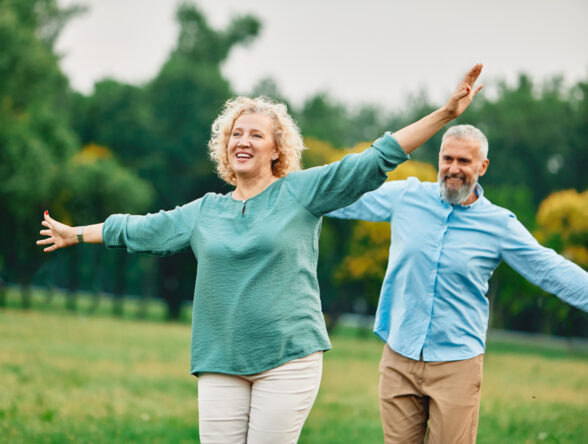
One of the biggest themes connected to French Sunday is the idea of wandering without needing a goal. Instead of treating walks as exercise challenges or step-count targets, people are embracing slower strolls simply because they enjoy them. That change sounds small, but it changes the mood of the day completely. The point isn’t to maximise productivity or fitness, but to make space for slower moments that feel calming.
Food plays a huge role in the appeal.
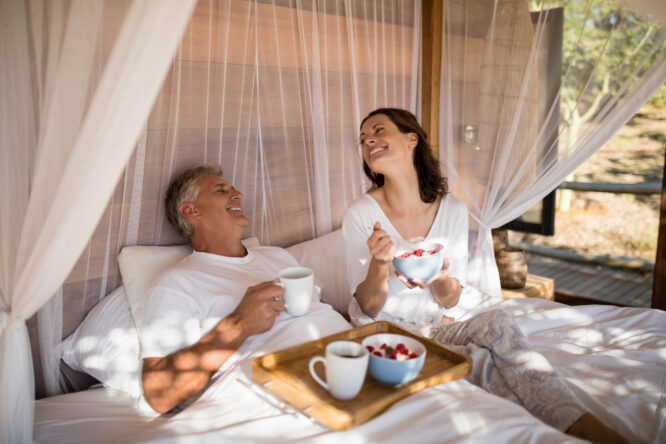
A French Sunday is often built around meals that feel slower and more enjoyable than weekday eating. That could mean a bakery breakfast, a long lunch, fresh bread, coffee, pastries or cooking something that takes more time. For many people, this is part of what makes the trend feel comforting. Food becomes something to enjoy properly, instead of just something squeezed between tasks and obligations.
The trend also pushes back against Sunday anxiety.

A lot of people spend Sundays already worrying about Monday before it has even arrived. The “Sunday scaries” have become so common that many people struggle to fully relax by late afternoon. The French Sunday idea tries to reclaim the day instead of turning it into a waiting room for the work week. That doesn’t remove stress completely, but it can make weekends feel less rushed and more balanced.
Social media helped the trend spread quickly.
The trend works extremely well online because it’s visually simple and easy to understand. Coffee, markets, flowers, books, parks and slow mornings instantly create a mood people recognise. However, the emotional side matters more than the aesthetic. A lot of people are drawn to the trend because they are genuinely tired of feeling constantly busy and overstimulated.
The appeal is really about permission to slow down.

Underneath all the lifestyle content, the core message is fairly simple. People want rest that actually feels restful, rather than another task to complete properly. That’s probably why the trend has connected with so many people this year. It offers a version of Sundays that feels calmer, softer and less demanding at a time when many people already feel mentally overloaded.
You don’t need to completely copy the trend for it to work.
Most people trying French Sundays aren’t suddenly moving to Paris or spending entire days wandering through flower markets. Usually, it’s much smaller than that. For some people, it simply means putting phones away for part of the day. For others, it means saying no to work emails, slowing breakfast down or spending less time trying to be productive every second of the weekend.
The trend may stick around longer than most.
A lot of lifestyle trends disappear quickly because they demand too much money, effort, or commitment. French Sunday feels different because it’s based around doing less rather than more. That makes it feel more realistic for everyday life. At a time when many people feel burned out by routines, constant notifications and endless self-improvement advice, the idea of protecting one slower day a week suddenly sounds very appealing.