If you’ve ever noticed loads of people around you seem to have birthdays in September, there’s a reason for it.

Birth records from multiple countries show the same pattern over and over again: some birthdays are incredibly common, while others are surprisingly rare. Human birth trends are far less random than they look, and once researchers started analysing the numbers properly, some very clear patterns emerged.
September dominates the birthday charts almost everywhere.
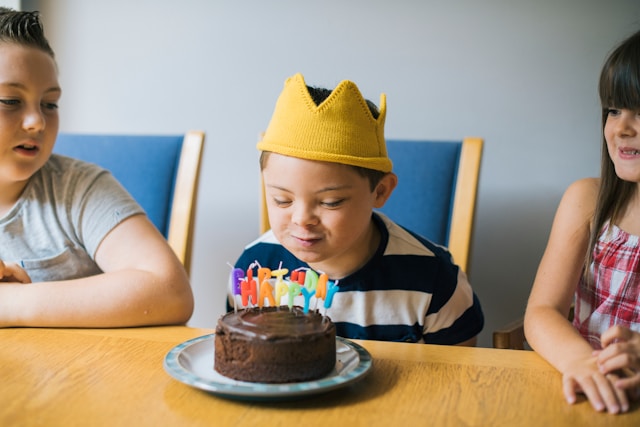
In countries including the UK and the United States, September consistently comes out as the busiest month for birthdays. In fact, many of the world’s most common birthdays fall within the same two or three weeks in September. Dates like September 9, September 16 and September 19 regularly appear near the very top depending on the dataset being used.
The reason is surprisingly simple. Babies conceived around Christmas and New Year usually arrive around mid-to-late September. Researchers say the festive season creates the perfect mix of more socialising, more time at home and more relaxed routines, which all appear to increase conception rates.
September 9 is often ranked as the most common birthday.

Several major studies have found September 9 appears more often than almost any other birthday. Other nearby September dates are usually not far behind, which is why schools, offices, and friendship groups often seem packed with Virgos.
The differences between these top dates are actually pretty small, but the wider pattern never really changes. Mid-September is consistently one of the busiest birth periods of the entire year, no matter which country researchers examine.
The rarest birthdays tend to fall around major holidays.

While September is crowded with birthdays, dates like Christmas Day, Boxing Day and New Year’s Day are much quieter. February 29 is also extremely rare, although not always the absolute rarest depending on how the data is measured.
A big reason for this comes down to hospitals and planned births. Inductions and C-sections are often scheduled around public holidays where possible, meaning fewer babies are born on those exact dates. That creates very noticeable dips in birth records around Christmas and New Year.
Modern medicine has changed birthday patterns.

Before planned C-sections and scheduled inductions became common, births were spread more evenly across the calendar. Today, weekdays see far more births than weekends because hospitals tend to schedule procedures during normal working hours.
That change has made certain dates even more common, while making others noticeably rarer. It’s one reason birthdays around weekends and major holidays now stand out much more clearly in the data than they used to.
There may be biological reasons behind the trends too.

Researchers mostly point to social behaviour when explaining why some birthdays are so common, but biology may play a smaller role too. Some studies suggest fertility patterns and sperm quality can fluctuate slightly during colder months in certain climates. Experts still think lifestyle and behaviour are the biggest drivers overall, though. The timing around Christmas and New Year is simply too consistent across multiple countries to ignore.
People often notice the patterns without realising it.

Once people hear about the September birthday trend, they usually start spotting it everywhere. Schools often have clusters of children born around the same weeks, and many friendship groups seem oddly overloaded with autumn birthdays.
Meanwhile, people born on Christmas Day or Leap Day often grow up hearing how unusual their birthdays are. The funny thing is, the statistics completely back that up. Some birthdays really are dramatically more common than others, even if most people never notice the pattern properly until somebody points it out.