Spring has that familiar moment where the garden suddenly looks a bit bare, and you’re not quite sure what to fill it with.
That’s why advice from Alan Titchmarsh tends to work well, especially since it’s usually built around what actually works in real UK conditions, rather than what looks good for a week and disappears. His latest picks aren’t flashy, but they’re the sort of plants that quietly sort out common garden problems, from empty sunny borders to those awkward shady corners where nothing ever seems to thrive.
Scabiosa ‘Pink Mist’ is a steady performer that keeps colour going for months.
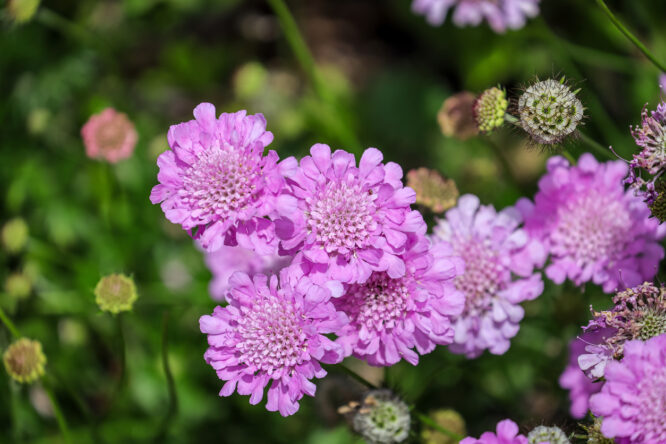
This is one of those plants that doesn’t demand attention but ends up doing a lot of the work. It sits low in a border, spreads gently, and keeps producing soft pink flowers long after other plants have started to fade. In a sunny spot with decent drainage, it settles in quickly and just keeps going.
It’s especially useful because it flowers for so long. Instead of a short burst, you get colour stretching right through summer and often into early autumn, which helps stop borders from looking tired halfway through the season. It also brings in bees and butterflies without you needing to think about it, which is always a bonus if you’re trying to make the garden feel more alive.
Pulmonaria quietly fixes those shady patches that never quite work.
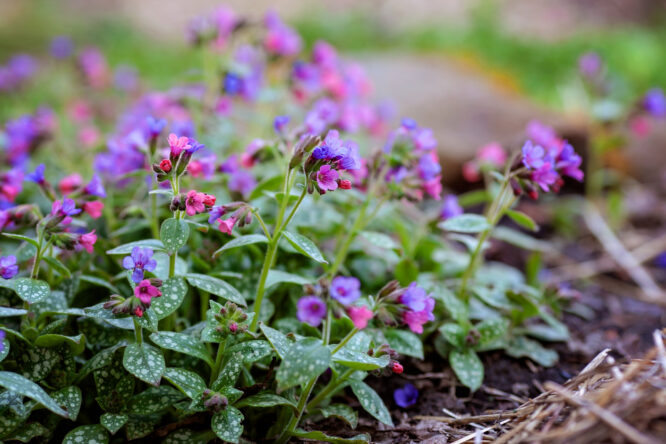
Every garden has at least one spot that feels a bit stubborn, usually somewhere that doesn’t get much sun and never quite fills out properly. Pulmonaria is built for that kind of space, with its speckled leaves and early flowers bringing interest before most plants have even got going.
It’s not a fast takeover plant, which is actually a good thing. It spreads gradually, softening those bare areas without becoming a problem later on. Over time, it helps those awkward corners feel more intentional, rather than like something you’ve just left because nothing else worked.
Ferns are a reliable fallback when the ground is dry and shaded.
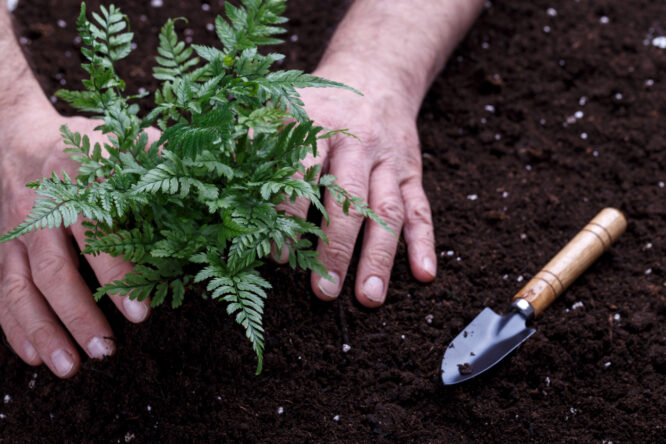
There are parts of a garden where it feels like you’re fighting the conditions more than anything else. Dry soil, heavy shade, and tree roots can make planting feel like guesswork. That’s where hardy ferns come into their own, especially types like Dryopteris that are used to those tougher environments.
Once they get established, they don’t need much input. They grow into large, full shapes that cover ground properly and make the space feel finished rather than patchy. Instead of constantly trying different plants that fail, ferns tend to settle in and stay put.
Lavender still earns its place in most UK gardens.
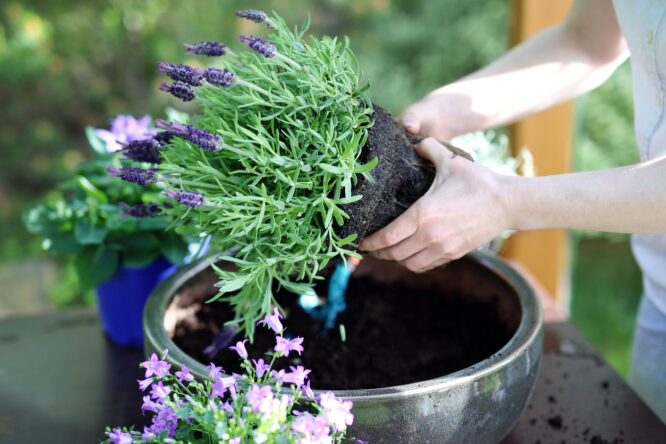
It’s easy to overlook lavender because it’s so common, but that’s exactly why it works. It handles heat, doesn’t need much water once it’s settled, and brings in pollinators all summer. In a sunny spot, it can hold its own without much fuss.
It also adds something beyond colour. The scent alone changes how a space feels, especially near seating areas or paths. When you brush past it or sit nearby on a warm day, it’s one of those small details that makes the garden feel more finished without needing extra effort.
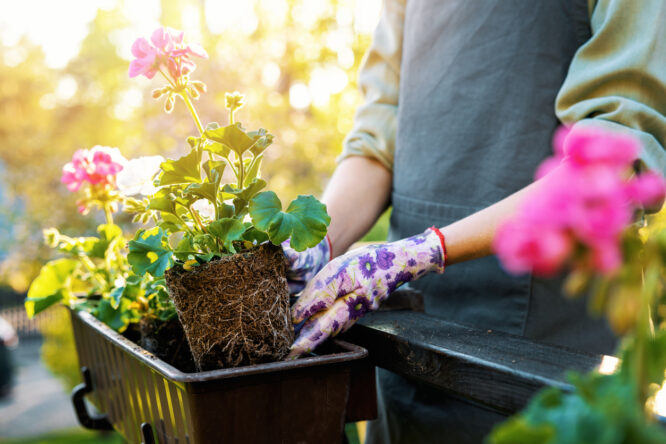
Geranium ‘Wargrave Pink’ fills gaps without taking over.
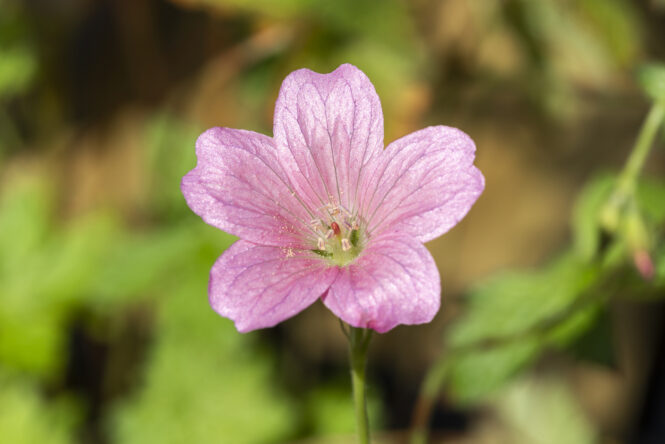
This is the kind of plant that ends up tying everything together. It spreads across borders, fills empty patches, and produces bright pink flowers through the warmer months without needing constant attention.
What makes it useful is how adaptable it is. It copes in both sun and partial shade, and handles drier conditions once it’s established. If parts of your garden feel a bit disjointed, this is the sort of plant that helps everything blend together without looking forced.
These choices are less about trends and more about what actually works.

None of these plants are particularly flashy or new, and that’s the point. They’ve stuck around because they handle the UK’s unpredictable weather and still deliver something reliable year after year.
Instead of constantly reworking your garden or chasing new ideas, planting things that suit the conditions you already have tends to make everything easier. Once they’re in and settled, a lot of the effort drops away, and the space starts to look after itself a bit more.